Thursday, October 22, 2026 · Ocean Shipping & Ports
Jungheinrich and Automha Add Two-Way Shuttle for Existing Warehouses
Noted by David Priestman · 909 reads
The UP-Carrier GTJ adds dense pallet storage and a staged route to automation for existing warehouses, with deployment reported in more than 25 countries.
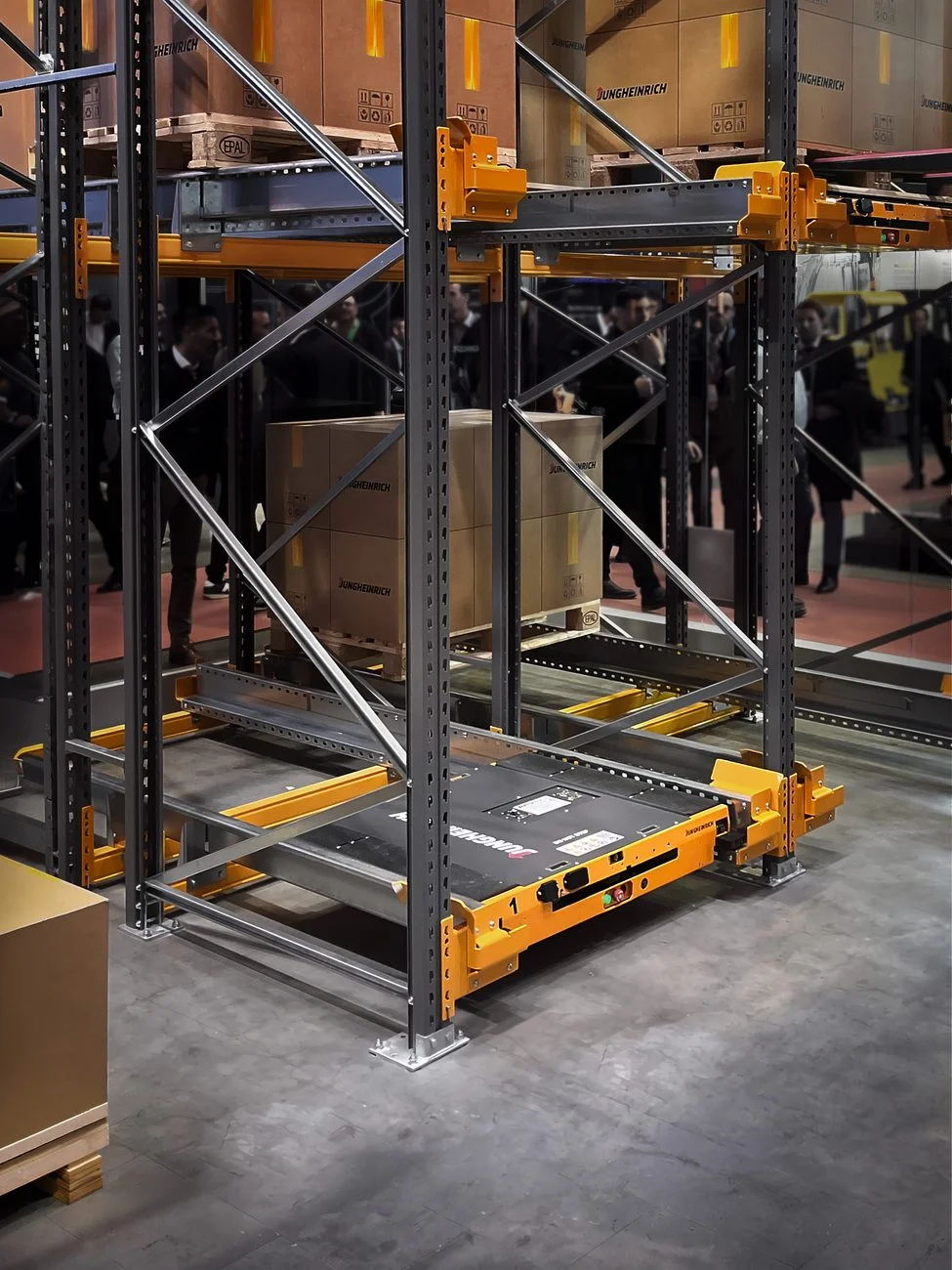
For warehouses that need more pallet storage without major building changes, Jungheinrich and Automha have developed a two-way shuttle designed to support a staged move into automation. The UP-Carrier GTJ combines Automha’s shuttle technology with Jungheinrich’s system integration, software and lifecycle services. The companies describe it as an entry point for facilities that want to increase storage density while retaining industrial trucks for pallet transport at the outset.
That starting point matters to operators working within an existing building. A shuttle can move pallets within storage lanes, while industrial trucks continue to handle transport between the storage system and other parts of the operation. The arrangement allows a facility to introduce denser storage without requiring a wholesale redesign of its material flow. If needs change, the transport processes can later be automated, creating a route from truck-supported work toward more automated handling.
A staged route for brownfield operations
The two companies position the system for warehouses where storage capacity, throughput and process reliability are under pressure, but where major infrastructure changes may be difficult. The UP-Carrier GTJ is intended to fit into existing warehouse environments and raise storage density without major structural work. That makes the first step narrower in scope than a fully automated warehouse project: operators can begin with shuttle storage and consider further automation as operational requirements develop.
The approach also changes how a site can plan its automation work. Instead of treating automation as a single, all-at-once investment, a warehouse can begin with a defined storage application. Further steps can then be matched to the facility’s material flow and changing needs. The source does not specify a timetable or performance figures for those later stages, so the practical pace will depend on each operation and its existing systems.
Jungheinrich and Automha say the combined offer covers shuttle technology, racking, conveying, software integration and service. Coordinating those elements can help customers plan a system in which the storage equipment and surrounding processes work together. The solution is also designed to connect with existing IT and warehouse environments, and it can be expanded with other automation technologies, including Jungheinrich Mobile Robots.
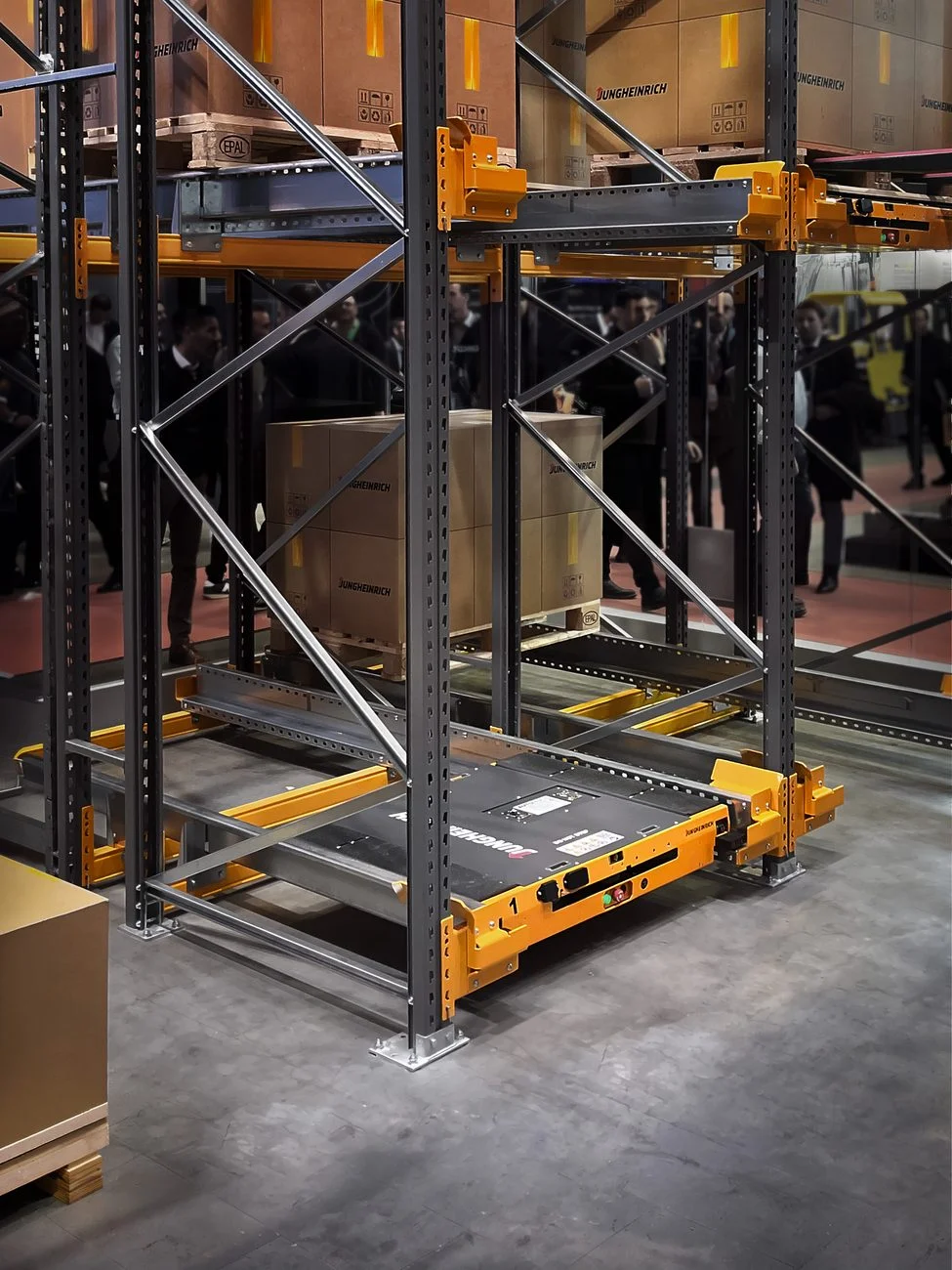
Dr. Tobias Harzer, Jungheinrich’s chief automation officer, says customers do not all begin with fully automated facilities. He describes the development path as a way to use existing infrastructure while allowing material flows to evolve and investments to follow business growth. For warehouse teams, the operational question is how well a staged system can fit current processes and support later changes without disrupting day-to-day throughput.
Where the shuttle fits
Jungheinrich describes its approach as technology-agnostic: it combines its own equipment with selected partner technologies to build integrated automation systems around customer requirements. The company positions the Automha shuttle for existing facilities and gradual automation. Four-way shuttles, including those offered by partner Movu Robotics, are described as a fit for fully automated, high-performance pallet warehouses. The distinction gives customers different system options according to how much automation a site needs.
The UP-Carrier GTJ moved from concept to market readiness in nine months, according to the source. The solution is already deployed in more than 200 projects across over 25 countries. Those figures indicate that it has moved beyond development, although the source provides no breakdown by warehouse type, project size or operating results. Site-specific assessments will still determine how the system fits a facility’s storage layout, equipment and processes.
Gianni Togni, Automha’s vice president of sales and marketing, says the companies are combining specialised shuttle technology with Jungheinrich’s integration expertise to help customers modernise warehouses and make better use of existing infrastructure. That framing places the offering between conventional truck-supported storage and a fully integrated material flow system: the shuttle adds a new storage capability, while the wider system can take shape in stages.
Integration is the practical test
For operators weighing the system, the main considerations are how the shuttle connects with the site’s racking, conveying, warehouse software and service requirements, and whether industrial trucks can continue serving the surrounding processes. The companies say the UP-Carrier GTJ is designed to work within existing environments and to support later additions. The available source does not provide specifications such as shuttle capacity, throughput, storage depth or implementation costs, so those details need to be assessed for each project.
Jungheinrich is adding the system to its shuttle portfolio as part of a wider offer that extends from initial automation in brownfield warehouses to integrated material flow systems. For warehouse managers, the takeaway is a defined first step: denser pallet storage using shuttle equipment, with industrial trucks handling transport initially and additional automation available as site requirements change. More information is available from Jungheinrich and Automha.


