Tuesday, November 3, 2026 · Ocean Shipping & Ports
Engine Calibration Helps Fleets Match Settings to Daily Operations
Noted by [email protected] (PS Energy Group) · 569 reads
Custom ECM settings can help fleets manage fuel use, idling, speed and engine wear while keeping performance aligned with vehicle needs.
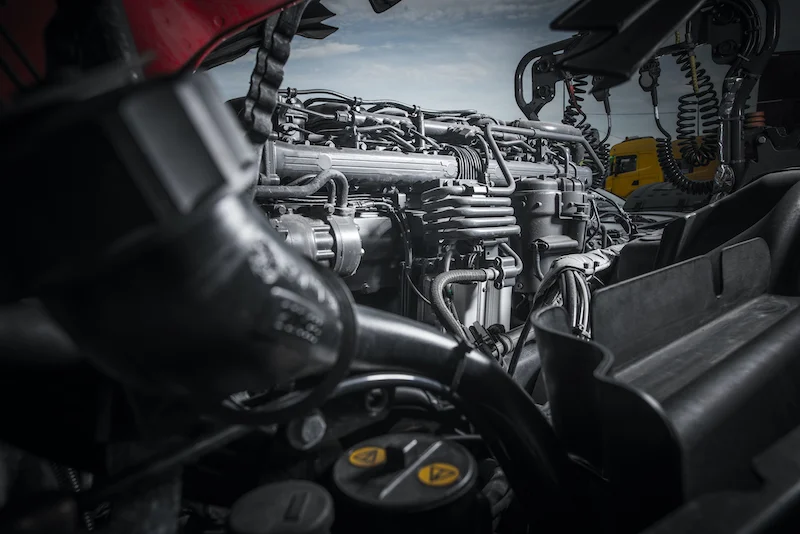
Engine calibration gives fleet managers a way to align vehicle settings with the work each unit actually performs. By adjusting supported parameters in a vehicle’s engine control module (ECM), a qualified specialist can help a fleet manage fuel use, idling, speed and engine operation. The potential gains depend on the vehicles, routes, loads and operating conditions involved.
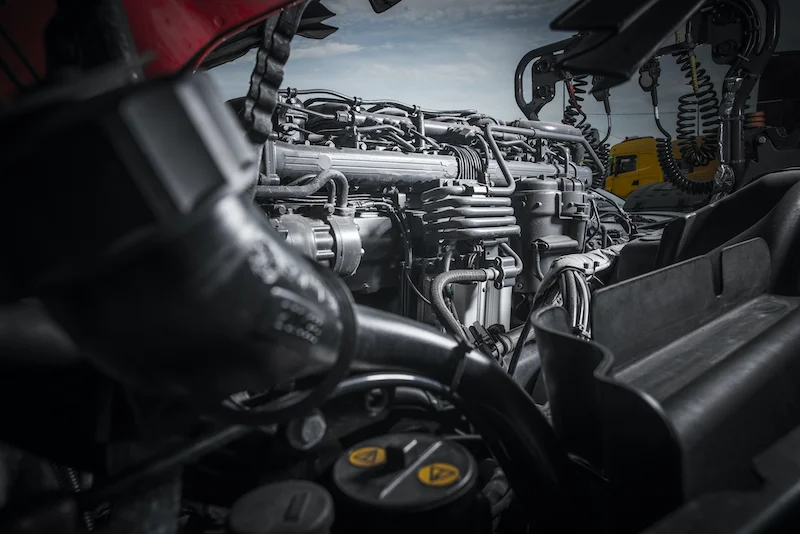
Factory settings are designed to serve a broad range of applications. A fleet, however, may run vehicles on familiar routes, carry recurring loads or use equipment in ways that differ from the broad mix those default settings are meant to accommodate. Calibration reviews whether available settings can better fit those day-to-day requirements without compromising the vehicle’s job performance.
Which settings can be adjusted
Calibration changes software parameters that guide engine operation. Depending on the vehicle and its manufacturer-approved capabilities, adjustments may include maximum vehicle speed, idle settings, engine speed and torque limits, and transmission shift points where supported. These controls affect different parts of vehicle use, so the right combination depends on the fleet’s operating needs.
- Vehicle speed limits: A fleet may set a maximum speed to help manage fuel consumption and encourage safer driving practices.
- Idle settings: Limiting unnecessary idling can reduce fuel waste, emissions and engine operating hours. Fleets looking at idle reduction can also review excessive idling practices.
- Engine speed and torque limits: These settings can help balance fuel efficiency with the performance a vehicle needs for its assigned work.
- Transmission shift points: Where the vehicle supports the adjustment, changing when gears shift may help match operation to particular conditions.
The practical aim is to fit settings to the work, rather than apply the same changes to every vehicle. A unit that spends its time on one type of route or task may call for a different calibration from another vehicle in the same fleet. Reviewing vehicles by application can help managers identify where a change may be useful and where the existing setup already fits.
How the process works
A calibration review starts with the fleet’s vehicles and operating requirements. The specialist considers vehicle type, routes, driving conditions, typical loads and fuel consumption to determine which available adjustments merit attention. That assessment gives the fleet a basis for comparing the proposed settings with the way its equipment is used.
Once the adjustments are selected, the specialist accesses the ECM with compatible diagnostic or programming equipment. Depending on the vehicle, this may involve connecting a programming device to its diagnostic port and updating the relevant settings. Many adjustments do not require mechanical changes, though the work and time involved vary by vehicle and calibration.
Settings need to remain within manufacturer specifications, warranty requirements and applicable emissions requirements. After programming, the vehicle should be tested to confirm that the changes work as intended. That check matters operationally: the goal is to improve efficiency while preserving the performance needed for the assigned job.
What fleets may gain
When changes are properly selected and implemented, adjusting speed, idle time and other parameters may reduce unnecessary fuel consumption and help lower fuel expenses. Less idling can also reduce engine operating hours and wear on components, which may help limit maintenance frequency and costs. These are potential benefits, not guaranteed results; the outcome depends on how the vehicle is used and whether the chosen settings address a meaningful source of waste.
Calibration can also help fleets manage operating consistency. A speed limit may discourage excessive speeding, while engine speed and torque settings can help keep performance appropriate to the application. Reducing unnecessary engine strain and idle time may support longer vehicle life, though calibration alone cannot determine how long a unit remains serviceable.
Fuel use and emissions are connected to vehicle operation, so reducing unnecessary idling and fuel consumption may also support a fleet’s sustainability goals. For managers, the operating case is clearest when a proposed change connects to a specific pattern in their own vehicles, such as avoidable idle time or settings that do not suit the usual route and load.
Deciding where to start
Fleet managers can begin by reviewing the available settings and comparing them with how vehicles are assigned and used. Fuel consumption, route conditions, typical loads and operating patterns can help identify units for closer evaluation. A qualified calibration specialist can then assess whether adjustments are supported for those vehicles and whether they fit the fleet’s requirements.
Results should be judged against the fleet’s intended outcomes and the vehicle’s performance after testing. For operations teams, the useful takeaway is to treat calibration as a vehicle-specific review: identify a clear operating need, confirm the available adjustments, and verify that the programmed settings deliver the intended balance of fuel efficiency and work performance.