Tuesday, October 20, 2026 · Ocean Shipping & Ports
Maersk and Hapag-Lloyd Restore FM1 Asia–Middle East Service to Khor Fakkan
Noted by Thomas Davis · 882 reads
The FM1 loop returns with a Qingdao departure on 17 October, adding a direct Khor Fakkan call for Asia–Middle East cargo.
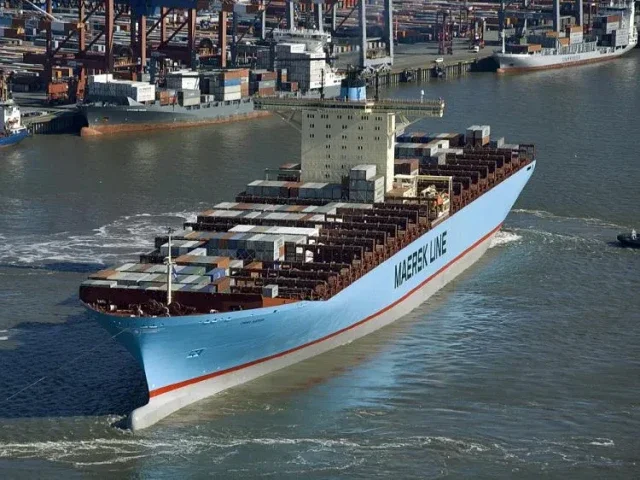
The return of the FM1 service gives shippers another direct ocean route from major Asian export ports to Khor Fakkan, on the United Arab Emirates’ Gulf of Oman coast. Maersk and Hapag-Lloyd will operate the service through the Gemini Cooperation, restoring a port call that can reach the Upper Gulf without transiting the Strait of Hormuz.
The scheduled rotation is Qingdao–Ningbo–Tanjung Pelepas–Khor Fakkan–Singapore–Qingdao. Maersk Athabasca, Voyage 642W, is set to make the first sailing, departing Qingdao on 17 October and arriving at Khor Fakkan on 16 November. Those dates give cargo planners the initial schedule markers; the carriers’ latest sailing information will be needed to confirm subsequent calls and cargo cut-offs.
What the route adds
For cargo originating at the listed Asian ports, the FM1 rotation creates a direct service option to Khor Fakkan. The port’s position on the Gulf of Oman means vessels calling there do not need to pass through the Strait of Hormuz. That geographic distinction gives shippers a routing alternative when assessing how to move freight toward the Upper Gulf.
A direct port call can also shape the handoff between ocean freight and inland delivery. Maersk expects its existing landside services to coordinate with FM1 for cargo moving into the Upper Gulf. The source does not specify inland routes, transit times or which destinations those services cover, so customers will need to check how a particular shipment connects beyond the port.
For freight teams, the practical choice is to compare the Khor Fakkan routing with other available ways to serve the final destination. The relevant considerations include the cargo’s origin, delivery point, required timing, and the carrier’s current acceptance terms. The service’s return expands the routing choices described by the carriers; it does not, by itself, establish that every shipment will have the same onward plan or delivery schedule.
Booking and schedule checks
Maersk says security protocols will remain in place across its Middle East operations. Existing booking restrictions and cargo acceptance conditions also continue. Those limits matter at the point of booking: shippers and forwarders should confirm that the cargo is eligible, check space availability and verify cut-off times with Maersk or its appointed agent before planning around a sailing.
The carriers say they are monitoring developments in the region, and Gemini Cooperation services may be adjusted as conditions change. That makes current schedule checks important both before cargo is delivered to the port and while it is moving through the service. A published rotation is useful for initial planning, but the latest carrier guidance is the basis for confirming port calls and booking details.
Freight forwarders arranging Asia–Middle East shipments can use the Qingdao departure and Khor Fakkan arrival dates for the inaugural voyage as a starting point for discussions with the carrier. They should then confirm the relevant sailing, cargo acceptance requirements and cut-off time for their own shipment. The source provides no recurring frequency or transit-time commitment, so those details should be obtained directly rather than inferred from the first voyage dates.
A staged return in the region
The FM1 relaunch follows earlier adjustments to corridor operations in response to security conditions in the Middle East. Maersk describes the return as part of a staged restoration of Gemini Cooperation’s regional service deployment. The continued booking conditions and the carriers’ stated monitoring indicate that the service plan remains subject to change.
For shippers, the clearest operational effect is an additional direct-call option at Khor Fakkan, paired with a planned connection to Maersk landside services. The route’s value will depend on whether that port and onward arrangement fit a shipment’s origin, destination and delivery needs. Teams planning Gulf-bound freight should track FM1 sailing updates and reconfirm port and booking details before committing cargo to the route.


