Monday, October 19, 2026 · Ocean Shipping & Ports
Electric Container Route Connects Guangzhou Nansha and Hong Kong
Noted by William Rodriguez · 843 reads
A 240-TEU electric vessel has begun scheduled service between Nansha and Hong Kong, with annual carbon savings estimated above 550 tonnes per vessel.
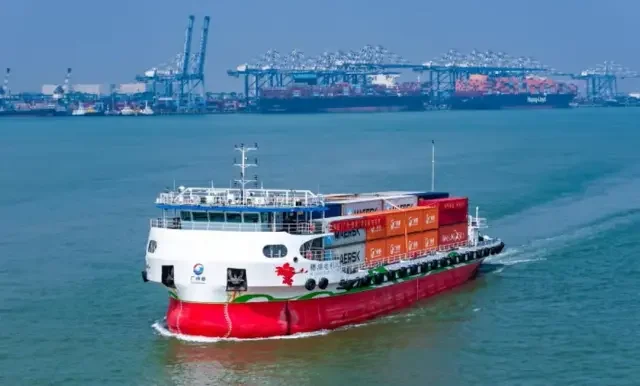
A new electric container route between Guangzhou Nansha and Hong Kong gives shippers a dedicated waterborne link served by vessels designed for zero emissions during voyages. The first ship, Suigang Electric Navigation 02, departed Guangzhou Port’s Nansha Phase III Terminal for Hong Kong International Terminals with furniture, daily goods and other cargo made in Guangdong Province. Its maiden voyage marked the route’s launch as the first zero-carbon container service linking the two ports in the Greater Bay Area.
The service’s operating value will depend on more than its propulsion system. Shippers also need dependable sailing schedules, cargo capacity and a workable way to keep vessels supplied with energy. The route combines a scheduled liner model with electric ships that can recharge directly or exchange containerised batteries, connecting Guangzhou Nansha and Hong Kong through a dedicated logistics corridor.
Battery exchange supports vessel operations
The Suigang Electric Navigation series is described as South China’s first generation of inland container vessels with intelligent electric systems. Each vessel can carry 240 TEUs. Its containerised power system offers two energy replenishment methods: crews can charge the batteries directly or use a hoisting system to swap them. That flexibility is intended to address the range limits associated with electric vessels and support continued operation on the route.
Capacity is a practical part of the service design. At 240 TEUs per vessel, the ships can move containerised goods while maintaining the route’s focus on inland water transport. The maiden voyage’s cargo included furniture and daily goods produced in Guangdong, illustrating the types of regional freight that can use the link. The source does not specify sailing frequency, transit time or how many vessels will serve the route, so those details will shape how shippers assess it for regular bookings.
Onboard, an intelligent operations and maintenance platform tracks energy consumption, equipment maintenance and coordination between ship and shore. That gives operators digital oversight across multiple parts of a voyage, from energy use to equipment servicing. For cargo customers, the operating model will matter alongside the vessel’s emissions profile: scheduled service and effective port coordination are central to keeping freight moving between the two hubs.
Emissions estimates and operating scope
Each vessel is projected to reduce carbon emissions by more than 550 tonnes annually, while the projected reduction over its lifecycle is 19,000 tonnes. Those figures are presented as estimates for the vessel series. The source does not provide a calculation method, operating assumptions or a comparison period, so the figures should be read in that context rather than as route-wide totals.
The vessels are described as producing zero emissions and zero pollution throughout their voyages compared with conventional fuel-powered vessels. The claim concerns voyage operations; the source does not detail emissions from electricity generation, battery production or other parts of the equipment lifecycle. For shippers tracking transport emissions, that distinction matters when comparing service options or accounting for freight-related carbon.
The vessel series has also been included in a catalogue of green and low-carbon technology demonstration projects. Guangzhou Port Group presents the ships as a model that could be replicated for inland vessel electrification. Whether that approach can scale elsewhere will depend on the operating needs of each service, including vessel capacity, charging or battery exchange arrangements, and coordination between terminals and ships.
Port group links the route to wider logistics plans
Guangzhou Port Group says it is shifting its focus from traditional transport services toward integrated green and intelligent logistics. Its stated plan centers on building a Greater Bay Area green shipping brand and using scheduled liner services to provide end-to-end supply chain support for liner companies and customers. The group says the model is intended to support stable movement through the area’s industrial and supply chains.
The company has set out three benchmarks for that work. The first is technological: using the Suigang electric vessels to demonstrate intelligent, low-carbon propulsion and a model for inland vessel electrification. The second is network connectivity, with the Nansha–Hong Kong service building on the group’s existing Shuttle Bus services. The third is port operations, drawing on its work with shore power, solar generation and electrified port equipment.
Those elements place the new route within a broader effort to connect vessel operations with port-side changes. For logistics customers, the immediate development is a dedicated Guangzhou–Hong Kong container link with 240-TEU electric vessels and two energy replenishment options. Service frequency, transit times and the number of ships assigned will help show how readily the corridor can fit into recurring cargo plans.
The maiden voyage establishes the route and demonstrates the vessel’s role in moving regional cargo between two major shipping hubs. The next measure will be how the scheduled service performs in regular operations, including its ability to maintain reliable sailings while delivering the projected emissions reductions.


