Monday, October 19, 2026 · Trucking & Freight
Nippon Express Completes CAD 1.8 Billion Metro Supply Chain Deal
Noted by Joseph Brown · 619 reads
Metro adds 190 sites and more than two million square metres of warehouse space to Nippon Express’s network as the companies plan to connect freight forwarding with contract logistics.
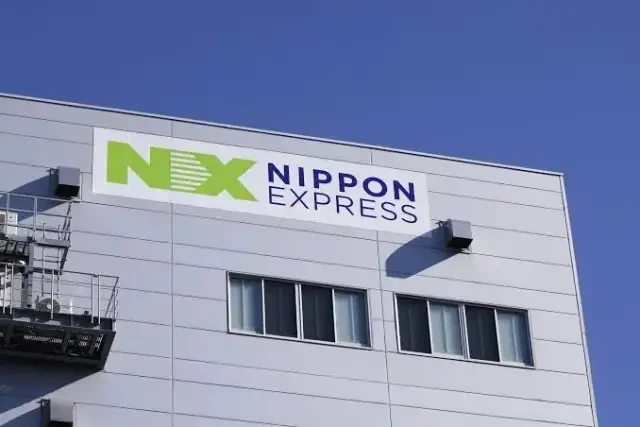
Nippon Express has completed its purchase of all shares in Metro Supply Chain Group, adding a substantial North American warehousing and distribution operation to its logistics business. The companies marked the closing on 7 October in Montreal, where Metro is headquartered.
The transaction is valued at approximately CAD 1.8 billion, or about USD 1.26 billion. The seller may receive an additional earnout of up to CAD 400 million if Metro meets agreed financial targets. If the full earnout is paid, total consideration could reach CAD 2.2 billion, approximately USD 1.54 billion. Nippon Express has described the deal as the largest in its history.
A large contract logistics network
Founded in 1974, Metro provides contract logistics services to customers in retail, consumer goods, automotive and manufacturing, healthcare and wellness, technology services, and other service segments. Its operations span Canada, the United States, and the United Kingdom. As of October 2026, the company employs 9,000 people, runs 190 sites, and manages more than two million square metres of warehouse space across North America and the UK.
That footprint gives Nippon Express a wider base for services that happen inside and around warehouses, including receiving orders, managing inventory, and processing shipments. The company plans to make Metro a core part of its contract logistics operations and to apply Metro’s operating methods and warehouse automation technology in European and Asian markets. The source does not specify which facilities or systems will be involved, or when those plans will be carried out.
For shippers, the scale of Metro’s network is the immediate operational change: it becomes part of a larger organization whose existing business includes ocean freight forwarding. The combination creates the potential to coordinate more of a shipment’s journey through one provider, from international transport and customs clearance to warehousing and order fulfilment. The practical value will depend on how the companies connect their systems, processes, and customer programmes.
Connecting freight forwarding and warehousing
Nippon Express plans to connect with Metro’s international transportation programmes and build services around Metro’s contract logistics base. In that model, freight forwarding and customs clearance would be layered onto warehouse and distribution services. The companies are aiming to bring together their customer bases and regional strengths, though they have not provided specific integration milestones or described how customers will access the combined services.
That approach reflects a wider move among logistics providers to offer more connected services across transport and fulfilment. A warehouse operator can manage inventory and process orders, while a forwarding company arranges international movement. Bringing those activities together may give customers a single service relationship across more steps, but it also requires coordination among teams, facilities, and transportation programmes. Those details will shape how quickly customers see operational benefits.
Metro will continue to use its existing name in Canada, the United States, and the United Kingdom, and its management team will remain in place. Founder Chiko Nanji continues as chairman. Montreal and the Canadian market are set to remain central to the business. Keeping the name and management in place provides continuity for customers as the companies work through integration, while the ownership change creates room to connect Metro’s services with Nippon Express’s wider network.
Forwarding scale meets contract logistics
Nippon Express ranked seventh in the 2026 Global Top 50 Ocean Freight Forwarders list, handling 1.806 million TEUs of ocean freight in 2025. From January through August 2026, it handled approximately 851,000 TEUs, up 3.72% year over year. These figures provide context for the forwarding operation being linked to Metro’s warehouse network; they do not, by themselves, indicate how much freight will move through the combined business.
Contract logistics can add recurring warehouse management, fulfilment, and inventory services alongside transport bookings. Those activities often involve longer customer relationships than individual freight moves, giving providers another source of business when ocean rates and booking margins fluctuate. The source presents this as part of the rationale behind a broader industry trend: major forwarding companies have been buying contract logistics capabilities to widen their services and strengthen customer retention.
Metro also brings warehouse automation and operating experience that Nippon Express intends to extend beyond the acquired company’s current regions. Replicating those capabilities across Europe and Asia could help Nippon Express connect its regional operations, but the company has not disclosed specific investments, sites, or deployment dates. For customers, the next indicators to watch are how the international transportation programmes are linked to Metro’s facilities and whether the combined service model changes the way shipments, inventory, and orders are managed across regions.


