Monday, October 19, 2026 · Ocean Shipping & Ports
Evergreen Marine Targets Terminal Investment as Port Congestion Limits Capacity Gains
Noted by Thomas Davis · 785 reads
Evergreen plans to pursue terminal investments as congestion blunts capacity growth, while U.S. import demand remains firm and trade risks bear watching.
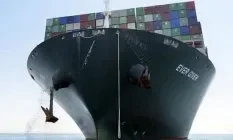
Port congestion is reducing the practical benefit of added shipping capacity, Evergreen Marine President Wu Kuang-hui said, prompting the carrier to pursue terminal investment opportunities more urgently. The company aims to establish a presence at key terminals worldwide, linking its investment plans to an operating constraint that capacity growth alone has not resolved.
Wu described congestion as a particularly acute challenge this year, compounded by geopolitical tensions and climate change. For carriers and shippers, the distinction matters: more vessel capacity does not necessarily translate into more usable throughput when ships face delays at ports. Congestion can interfere with schedules and absorb time that operators would otherwise gain from deploying additional capacity. The source offers no estimate of delays or capacity lost, so the scale of that offset remains unquantified.
European routes face a mixed picture
Freight rates on European routes remain subdued as carriers gradually resume Red Sea transits. Wu said risks in the region persist, and described different routings for Asia-Europe sailings: outbound voyages typically go via the Cape of Good Hope, while inbound voyages use the Suez Canal. Against that backdrop, congestion at ports has materially diminished the practical benefit of additional capacity.
That combination leaves the route outlook dependent on more than the number of ships available. Routing choices affect voyage patterns, while port congestion can limit how efficiently vessels move through the network. Wu’s comments point to terminal access as one area where Evergreen sees room to act. The company has said it will pursue opportunities more urgently, but did not identify specific terminals, investment amounts or a timetable.
U.S. imports support near-term confidence
Wu struck a more encouraging tone on trans-Pacific cargo. He said volumes through November were highly encouraging and identified December as the peak of the pre-holiday shipping season. He also said there was no reason for pessimism about U.S. trade ahead of Chinese New Year next year.
Import volumes at several major U.S. ports have reached historic highs, Wu said. He added that importers may choose to build inventory, which could support continued strength in U.S. import demand. That possibility is a key qualification: inventory decisions can shape shipment flows, but Evergreen did not provide a forecast for import volumes or say how many importers might increase their stocks.
For logistics teams, the comments frame demand as firm in the near term while leaving room for shifts in purchasing and inventory plans. High port import volumes indicate strong activity at the locations Wu referenced, but the source does not name those ports or give a comparative period for the records. That limits how specifically shippers can apply the assessment to individual gateways or lanes.
Demand and schedule risks remain
Wu also flagged anticipated Federal Reserve rate increases as a possible source of downward pressure on U.S. trade demand in the coming year. The caution tempers his confidence in current trans-Pacific volumes: strong shipments through November and a seasonal December peak do not settle the outlook beyond the near term.
West Coast dockworker labor talks are another factor for shippers to track. The current contract is set to expire in 2028, and fresh negotiations are expected to begin in the second half of next year. Wu said the talks’ implications for capacity stability and schedule reliability warrant close monitoring. The source gives no details on the issues expected to be negotiated or their likely effect on operations.
For planning purposes, the timeline gives companies a reason to keep the contract cycle in view while they assess routing and schedule needs. It does not establish that service will be disrupted. As Wu’s remarks make clear, the operational concern is how the negotiations could affect capacity and reliability, alongside congestion and changing trade demand.
Revenue rises in September
Evergreen reported September revenue of NT$49.71 billion, approximately US$1.56 billion, up 63.8 percent year over year. Revenue for the first nine months reached NT$338.45 billion, approximately US$10.60 billion, a 15.4 percent increase from the same period a year earlier.
The reported figures show growth across both the month and the year-to-date period, while Wu’s operating outlook spans uneven conditions across routes. European freight rates remain subdued; trans-Pacific cargo has been encouraging; and congestion is limiting the benefit of capacity additions. Evergreen’s planned terminal investments are its stated response to that last constraint, though the company has yet to specify where or when it expects to act.