Tuesday, October 6, 2026 · Trucking & Freight
Brokers Assess Carrier Safety Programs Beyond Dashcam Footage
Noted by Thomas Johnson · 689 reads
Brokers are looking for evidence that carriers review risky events, coach drivers and track whether safety efforts change behavior.
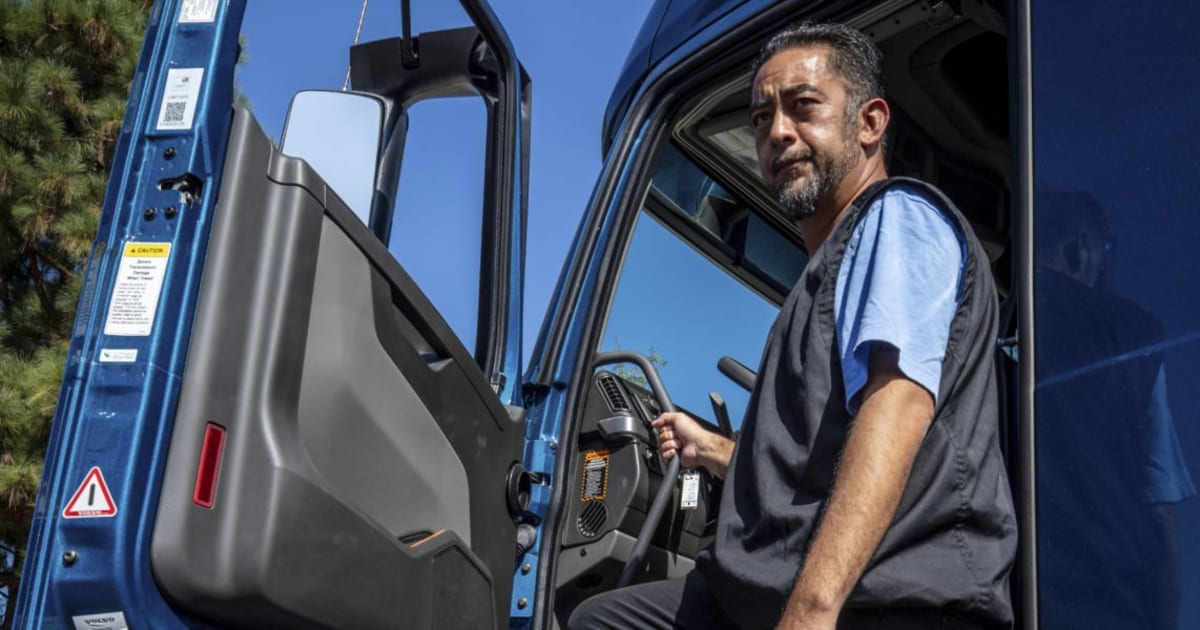
Dashcam footage can show a risky event. For brokers assessing a carrier, the more revealing evidence may be what the fleet did after the event was recorded: whether it reviewed the incident, coached the driver, documented the response and checked for improvement.
That shift puts more weight on how carriers manage safety day to day. Brokers can review information such as Federal Motor Carrier Safety Administration and Compliance, Safety, Accountability data, but a score or inspection history doesn’t explain how a fleet handles risks it identifies internally. Carriers may need to demonstrate a process that connects observations to follow-up and measurement.
The practical test is whether a carrier can trace that process from one end to the other. A collection of clips can establish that a camera was present. On its own, it doesn’t show whether anyone evaluated the footage, spoke with the driver or looked for similar events elsewhere in the operation.
Recording an event is only the first step
Video can help clarify conditions around an incident, provide context about what happened on the road and help a carrier respond to a claim. Those uses matter, but they are largely reactive. A fleet can store thousands of hours of recordings and still lack a consistent way to address the risky behavior those recordings reveal.
A working process starts when someone reviews a flagged event. The next questions are specific: Was the driver coached? Was the discussion recorded? Did the event point to a recurring behavior, a particular route or a set of operating conditions? Did anyone check later to see whether the behavior changed?
Without those steps, video may document a problem without showing that the carrier acted on it. With them, footage can become part of an ongoing safety process: identify a concern, respond, keep a record and assess what happened afterward.
That distinction also matters when a broker compares carriers whose records appear similar. One fleet may have repeated risky-driving events and little documentation of follow-up. Another may identify comparable events, use a defined coaching process and track whether those behaviors become less frequent. A single score may not capture that difference.
Show the response as well as the record
Carrier safety data gives brokers a useful view of performance, but it is only one part of the picture. A score or inspection record describes some aspects of a carrier’s history; it doesn’t necessarily show what the company does when a new risk appears or whether its response is consistent across drivers and events.
Recent attention to freight liability has added to the focus on carrier selection and safety practices. The source article points to the Montgomery v. Caribe Transport II ruling and says brokers may be held liable under state law when selecting unsafe carriers. For carriers, the operational takeaway is to be ready to explain how identified risks are handled, with records that support that account.
A credible explanation should connect the event to the action taken. For example, a record can show what behavior was identified, when the event was reviewed, what coaching followed and whether the carrier later checked for repeat events. The source doesn’t prescribe a particular recordkeeping format. The useful point is that the steps should be clear enough for the carrier to show how it reached its conclusions.
Build a repeatable safety process
A defensible program begins with clear risk identification. Fleet safety teams need to know which driving behaviors or compliance issues are creating exposure and where they are occurring. That requires looking beyond an isolated clip when other information is available.
- Set a consistent review process. Define how flagged events reach the people responsible for evaluating them, so follow-up doesn’t depend on someone happening to notice a recording.
- Coach drivers and keep a record. When a risky behavior is identified, document the event, the coaching and any next steps. The record helps establish what the carrier did in response.
- Check for change over time. Look for repeat events and shifts in the behaviors being addressed. Review whether issues cluster around particular drivers, routes or operating conditions.
- Bring information together. Video is one input. CSA performance, inspections, incidents, compliance data and driver performance can add context when considered together.
The aim isn’t simply to collect more information. Data becomes useful when a team can turn it into a repeatable sequence: identify a concern, address it, measure the response and adjust the approach based on what the review shows. That gives safety leaders a clearer view of whether coaching is reaching the right problem and whether additional attention may be needed.
Technology can support that work by helping teams find and review events, but the presence of a camera or a large video archive doesn’t demonstrate that the process is working. The carrier still needs to be able to explain who reviews events, how drivers receive feedback and how the organization assesses recurring patterns.
Be ready to explain what happens after an alert
For carriers preparing for broker scrutiny, the most useful question is straightforward: If asked how the fleet manages driver risk, what evidence can the team show? Footage may help establish what happened, but a complete response also describes the review, coaching, documentation and follow-up.
Carriers can use that question to examine whether their current process holds together across the operation. If staff handle similar events in different ways, or if coaching occurs without a record, it may be difficult to demonstrate how the fleet responds. A consistent process makes the response easier to explain and gives the safety team a basis for reviewing results.
The source also promotes a fireside chat featuring legal, insurance and fleet safety perspectives on what brokers may expect from carriers. Its central operational message is clear: cameras capture events, while the process around those events shows how a carrier manages risk.


