Thursday, October 1, 2026 · Ocean Shipping & Ports
AI Workflows Can Recover Technician Time in Heavy-Duty Repair Shops
Noted by Joseph Martinez · 606 reads
AI-assisted shop workflows can reduce administrative time and help understaffed repair teams keep technicians focused on billable work.
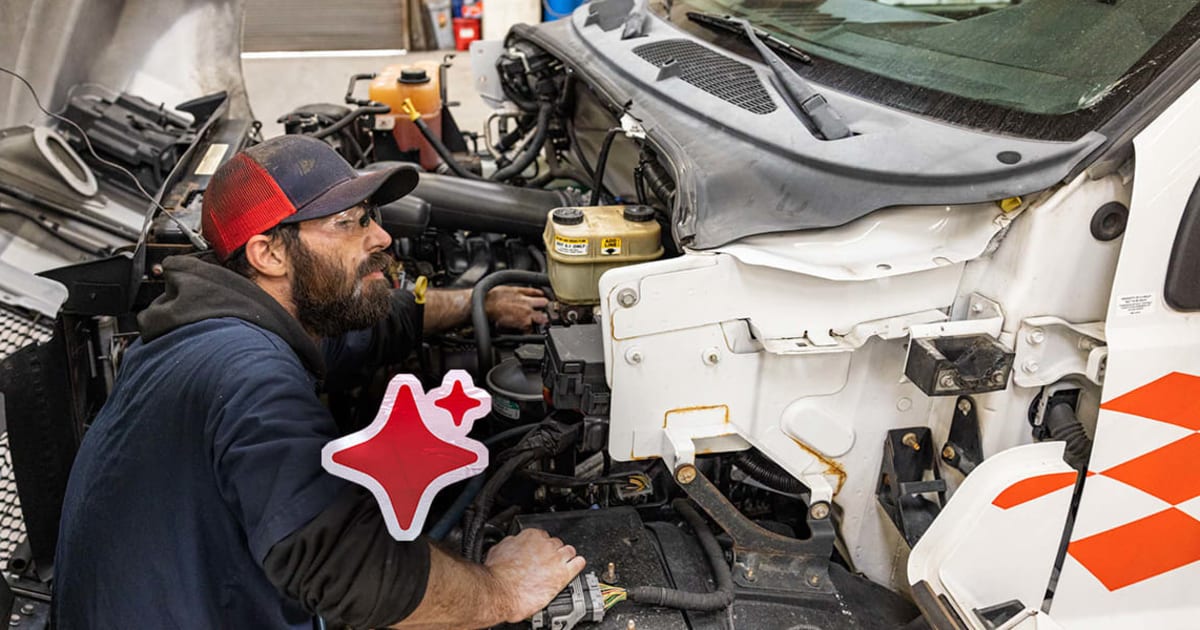
For heavy-duty repair shops with too few technicians, the immediate opportunity may be to recover time already on the clock. Artificial intelligence can help reduce documentation and information-search tasks that pull skilled employees away from diagnosis and repair, though it won’t resolve the technician shortage itself.
The staffing challenge remains widespread. In 2025, 65.5% of heavy-duty repair shops reported being understaffed, according to the American Transportation Research Institute. Recruiting, training and clearer career paths still matter. But those efforts take time, while managers have current jobs to complete with the staff they have now.
That makes billable time a practical measure for shop leaders to examine. Technicians need their expertise for inspecting equipment, diagnosing faults and carrying out repairs. Yet parts of the workday also go to writing up jobs, sorting through service information and assembling details for customer records. Each task may take only a few minutes; repeated across work orders and employees, the time can accumulate.
Reducing the work around the repair
AI tools can help turn a technician’s rough notes, whether typed or dictated, into clearer job documentation for review. They can also organize repair information, bring relevant service history to the surface and help narrow the material a technician needs to assess. The aim is to reduce time spent searching and compiling information so the technician can return attention to the work that requires their judgment.
That distinction matters in diagnostics. AI can help locate and organize useful information, but the technician remains responsible for interpreting the evidence and making the diagnosis. A tool that speeds up access to records may reduce friction in the process; it does not replace the skill required to decide what a fault means or how to repair it.
Shops considering these workflows can start by looking at where technicians spend time between the hands-on steps of a job. Note cleanup, repeated searches for information and administrative tasks are examples identified in the source material. The practical question is whether a tool can shorten those steps without making documentation harder to review or adding another system for technicians to manage.
Reported savings and shop capacity
Fullbay says shops using AI-assisted workflows have saved about 45 minutes per work order. That figure is attributed to Fullbay; the source does not provide a broader study design or explain how the savings were measured. It offers a specific example of the potential time recovered, rather than a guarantee for every shop or repair.
If a shop sees comparable savings across multiple jobs, the time could add up over a day or a week. The value would depend on how often those tasks occur and whether the recovered time can be put toward billable work. It could also ease pressure on a team that can’t quickly add another technician. Those are operational possibilities, not a substitute for measuring results at each shop.
Where the tools sit in the workflow may affect whether technicians use them. Fullbay’s example, Fullbay Next, includes AI-powered features in shop software technicians already use. Keeping assistance within an existing workflow may reduce the need to stop and open a separate application, though each shop will need to assess whether the features fit its own process.
Measure the time recovered
Shop managers can judge the value of AI by tracking whether it reduces time spent on notes, information searches and related administrative steps, while keeping technicians in control of diagnosis and repair decisions. They can also watch whether documentation remains useful for customer communication and future service work. The source does not specify a measurement method, so shops would need to define their own baseline and review period.
Hiring and training remain necessary parts of addressing a technician shortage. AI has a narrower role: it may help shops use available technician hours more effectively and make routine work less burdensome. The meaningful test is whether the time saved shows up in completed work and a more manageable day for the people doing the repairs.
For shops exploring this approach, Fullbay Next is presented by Fullbay as a way to bring AI tools into shop workflows. Any claimed time savings should be evaluated against a shop’s own work orders and processes. The useful takeaway is to identify the administrative steps that interrupt repair work, then determine whether AI can shorten them while leaving skilled decisions with technicians.
This article reflects the views of Fullbay and does not necessarily represent the views of Heavy Duty Trucking or Bobit Business Media.


