Wednesday, September 30, 2026 · Trucking & Freight
ACT Research Sees Electric Truck Adoption Picking Up After 2030
Noted by Staff · 894 reads
ACT expects gradual zero-emission truck adoption, with fleet economics and charging improvements shaping growth after 2030.
Fleet economics are taking a larger role in the outlook for zero-emission trucks. ACT Research expects adoption to continue gradually, with high purchase prices limiting near-term growth and wider uptake building after 2030 as vehicles and charging improve.
That forecast shifts the focus for fleet managers toward the cost and operational fit of each truck. ACT’s September 2026 Outlook Plus report gives greater weight to financial viability and technology progress: considerations that affect purchasing decisions even when emissions requirements and incentives carry less influence. The firm says its cumulative adoption outlook changed little from June 2026, though it made modest upward revisions to its Class 8 battery-electric projections.
Operating fit will shape near-term demand
Battery-electric trucks already suit some lighter commercial vehicles and duty cycles, ACT says. For those operations, the case depends on whether a truck can perform the assigned work and whether the associated equipment and charging costs compare favorably with alternatives. The source provides no fleet-level cost figures, so the forecast points to the decision factors rather than a universal payback period.
High upfront costs remain a constraint over the next several years. That makes the economics specific to each operation: the vehicle’s purchase price has to be considered alongside its duty cycle, charging needs and the ability to use charging equipment effectively. Fleet experience matters here. ACT says conversations with companies already running battery-electric trucks led it to revisit its assumptions about charging infrastructure utilization.
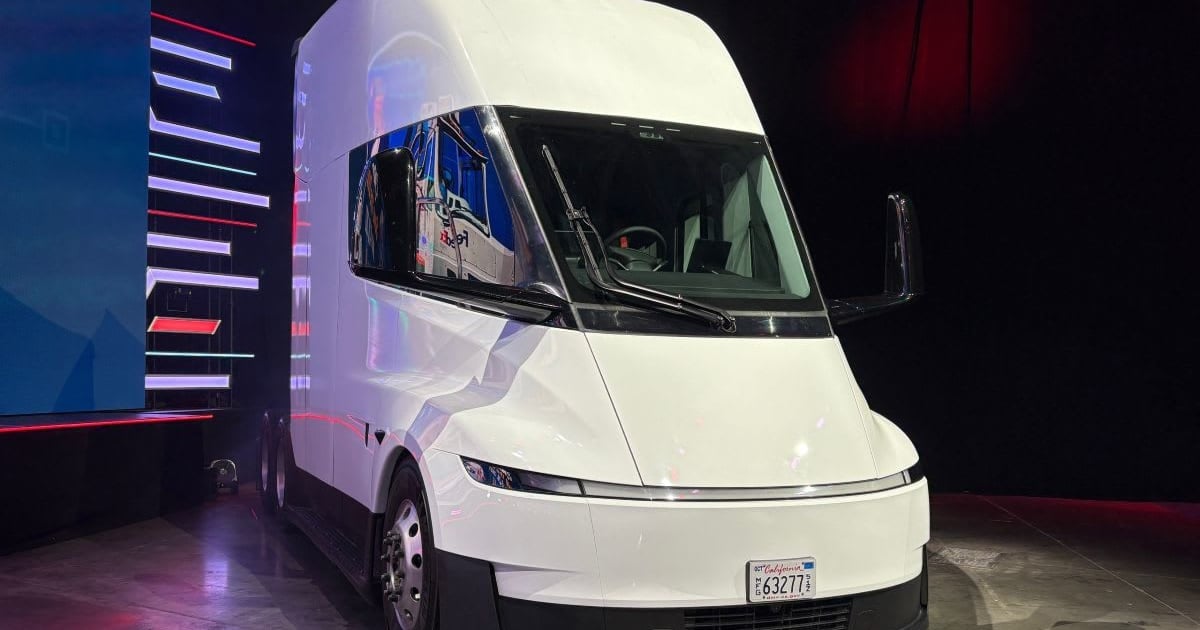
ACT also cites orders indicating interest in the Tesla Semi in the near term. That interest has contributed to a small upward adjustment in the firm’s Class 8 battery-electric projections. Orders are a signal of demand, but ACT’s broader forecast remains measured: it expects gradual adoption first, followed by faster growth after 2030.
Infrastructure and vehicle costs remain central
ACT expects several changes to support wider adoption after 2030: improved powertrain efficiency, lower vehicle costs, faster charging and expanded charging infrastructure. Together, those factors could make electric trucks workable for more fleets and applications. The report does not assign a separate adoption effect to each improvement, so the forecast rests on their combined progress.
For operators assessing a purchase, the practical question is whether the truck and charging plan can meet the work’s requirements at a competitive cost. Charging infrastructure utilization is part of that calculation. A site’s ability to support vehicle operations affects how useful its charging investment will be; ACT’s fleet discussions prompted the firm to adjust its view of that use. The source does not specify particular facility designs or charging schedules.
Some state and local incentives remain available, but ACT generally does not count subsidies as a driver of adoption in its forecast. That approach puts the emphasis on the economics fleets can expect from the vehicles and infrastructure themselves. It also means the report’s gradual near-term outlook reflects the continuing purchase-price barrier, even as some operations may already find battery-electric trucks suitable.
Hydrogen remains a narrower part of the forecast
ACT expects hydrogen fuel-cell vehicles to serve specific applications, with deployments below the levels projected for battery-electric trucks. By 2040, the firm forecasts a 22% zero-emission vehicle adoption rate across Classes 4–8, counting both electric and hydrogen vehicles. That figure describes the combined forecast across those classes; it does not mean every truck type or duty cycle will follow the same path.
For fleet planning, the forecast suggests that a single technology choice is unlikely to fit every operation. Battery-electric vehicles appear more applicable to some lighter trucks and suitable duty cycles, while ACT assigns hydrogen a more limited role. The report’s stated outlook leaves the operational fit and cost of each application as the key considerations for buyers.
What fleet managers can take from the outlook
ACT’s revised Class 8 figures show that interest in electric trucks can persist even as the forces behind adoption change. Near-term orders for the Tesla Semi and feedback from fleets already using battery-electric trucks have influenced the firm’s estimates. Yet the larger projection is still gradual adoption, with stronger growth expected only after costs, vehicle efficiency, charging speed and infrastructure improve.
That makes the forecast useful as a planning frame, rather than a purchasing timetable. Fleets can compare the demands of a specific duty cycle with the capabilities and costs of available equipment, then consider whether charging can support the work. ACT’s projections do not offer a universal cost threshold or schedule for adoption, and its 2040 figure covers several vehicle classes and both zero-emission technologies.
The central takeaway is that electric truck growth depends increasingly on whether the operating case works. ACT sees room for selected battery-electric applications today, limited near-term growth across the market, and faster adoption after 2030 if the expected technology and infrastructure improvements arrive.
Related trucking coverage includes fleet total-cost-of-ownership strategies for electric trucks, zero-emission truck requirements and lessons on alternative fuels and EVs: start small, stay flexible. Other coverage looks at the Tesla Semi’s operating economics, fuel savings from equipment upgrades and driver coaching, and NACFE research on why surveyed fleets are adopting battery-electric terminal tractors. Those topics connect to the same practical question raised by ACT’s forecast: how equipment costs and operating requirements shape fleet decisions.