Saturday, November 14, 2026 · Ocean Shipping & Ports
ClassNK's Roots: From a 1899 Maritime Association to a Global Class Society
Noted by maritimecyprus · 324 reads
ClassNK began in 1899 as a broad maritime association. Its path to international recognition and a 200-million-ton register took more than a century.
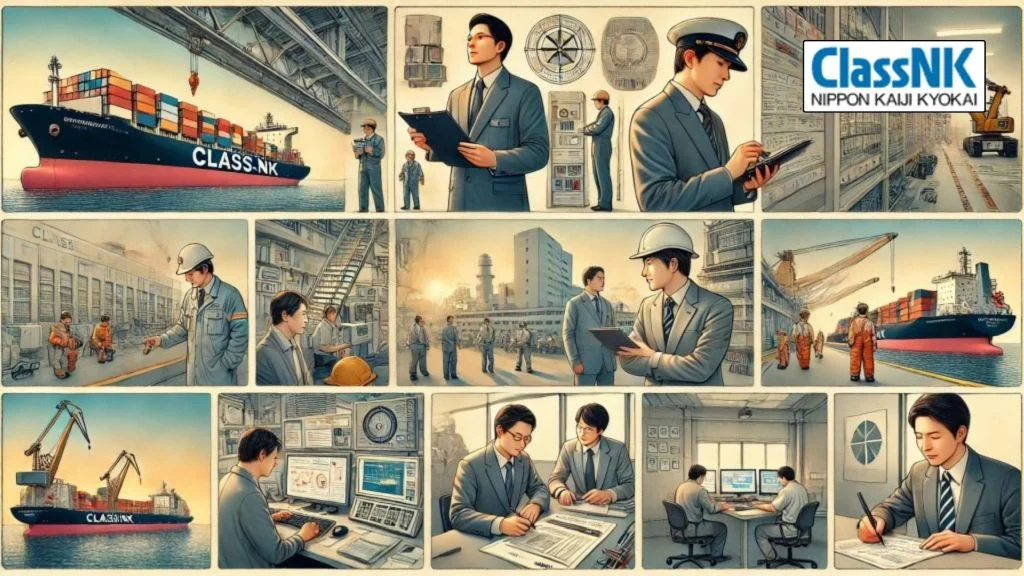
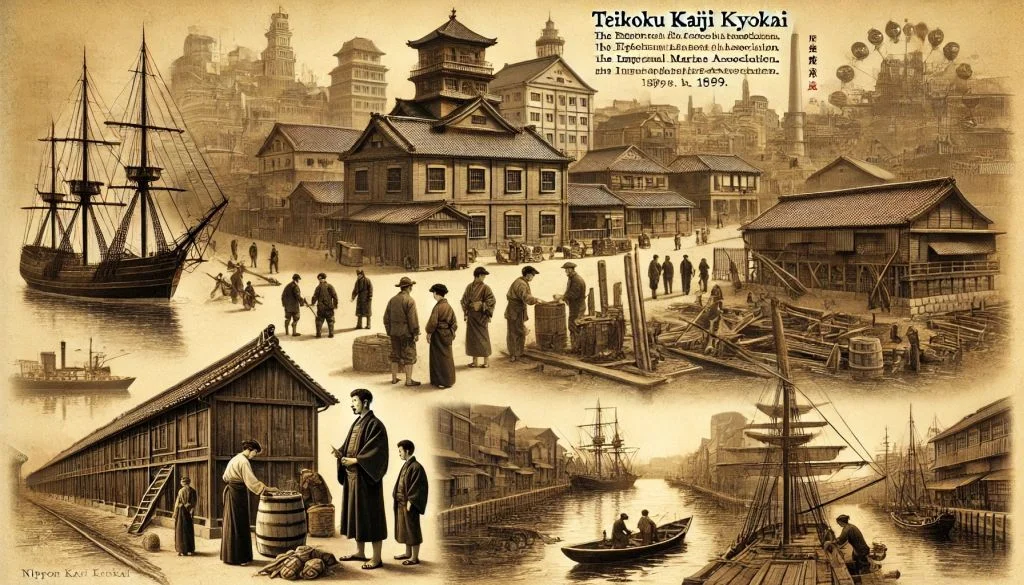
Most people who deal with ClassNK today know it as a technical body that surveys and classes ships. Its origins look nothing like that. The organisation traces back to the Teikoku Kaiji Kyokai, the Imperial Marine Association, founded in Tokyo in November 1899 to promote the regulation and development of Japan's shipping and shipbuilding industries. Those early years covered a wide range of shipping activity, far from the focused classification role the society fills now.
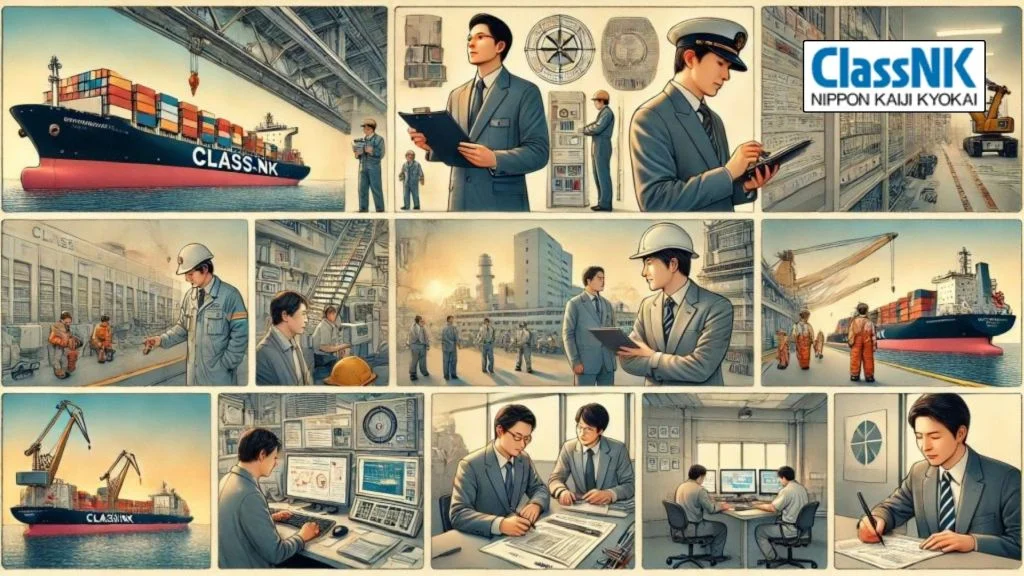
From association to classification society
The technical side took shape over the following two decades. By 1915, the structure needed for ship classification operations was in place. The real test came in 1919, when Teikoku Kaiji Kyokai, known as TKK, formed a group of four associated classification societies. It worked alongside the major societies of the day, among them the British Corporation, Lloyd's Register, ABS and RINA. That kind of association was how a newer society earned a seat at the table.
The first ship to receive a class certificate from TKK was the Kwanan Maru, in 1920. In 1926, the society's class notation, NS*, was formally registered in the classification clause of the Institute of London Underwriters. Here's why that matters: a notation written into an underwriting clause tells insurers which society's surveys they can rely on. Getting NS* into that clause was recognition of TKK as an internationally active classifier, not just a domestic one.
Through the inter-war years, TKK received support from and co-operated with the British Corporation Register of Shipping, which later merged with Lloyd's Register, and with other societies. By 1929 the society had reached 1 million gross tons of ships under class. The Ship Safety Law published in 1934 made it Japan's ship classification society, and that status set the technical foundations for the role it plays today.
Rebuilding after the Second World War
The society relaunched under its current name, Nippon Kaiji Kyokai, meaning the Japan Marine Association, in 1946, in the aftermath of the Second World War. Japan's shipping and shipbuilding sectors had been reduced to near-complete destruction, and recovery was gradual at first. In 1952, after the Treaty of San Francisco took effect, classification operations returned to normal and the NS* notation was recognised internationally once again.
What followed was rapid growth. The register reached 1 million tons by 1963, passed 10 million gross tons by 1966, and exceeded 100 million gross tons by the end of 1997. As of the end of May 2012, the society had more than 7,800 vessels totalling over 200 million gross tons under class.
Those milestones track the expansion of Japanese shipping and shipbuilding more broadly. A register only grows as the fleet it surveys grows, so the timeline doubles as a rough map of the country's maritime recovery. Teams that work with class records often find that kind of history useful when they're trying to understand why a society's fleet mix looks the way it does.
A global network and a changing fleet
The internationalisation of the shipping industry has changed who ClassNK serves. A significant percentage of today's NK-classed ships are controlled by non-Japanese companies and shipowners. The society has matched that shift with a network of exclusive survey offices and a system of national and technical committees.
Offices in London and New York, opened in 1962, marked the start of rapid expansion. The society now has exclusive survey offices in more than 70 locations and representation in all major ports. For a classification body, that footprint is operational, not decorative. Surveys have to happen where the ships are, and the people doing them have to understand local port state and charterer expectations.
ClassNK was also a founding member of IACS, the International Association of Classification Societies, established in 1968 to represent the major national class societies and promote international cooperation on ship safety. The society has held the IACS Chairmanship four times. That's a useful marker of how far the society's standing had moved from its 1919 beginnings.
Reorganisation and the 200-million-ton mark
The society celebrated its 110th anniversary on 15 November 2009. On 1 April 2011, it changed its organisational form and became a general incorporated foundation under Japanese law. ClassNK describes itself today as an impartial third party and a not-for-profit foundation, committed to promoting the safety of life and property at sea and the prevention of marine pollution.

The biggest headline came on 28 May 2012. ClassNK announced that its register had passed 200 million gross tons, which it said made it the world's first class society to hold more than 200 million gross tons on its register. For anyone comparing class societies on register size, that's a figure to note alongside the fleet's composition and the survey network behind it.
Shibusawa's argument still reads well
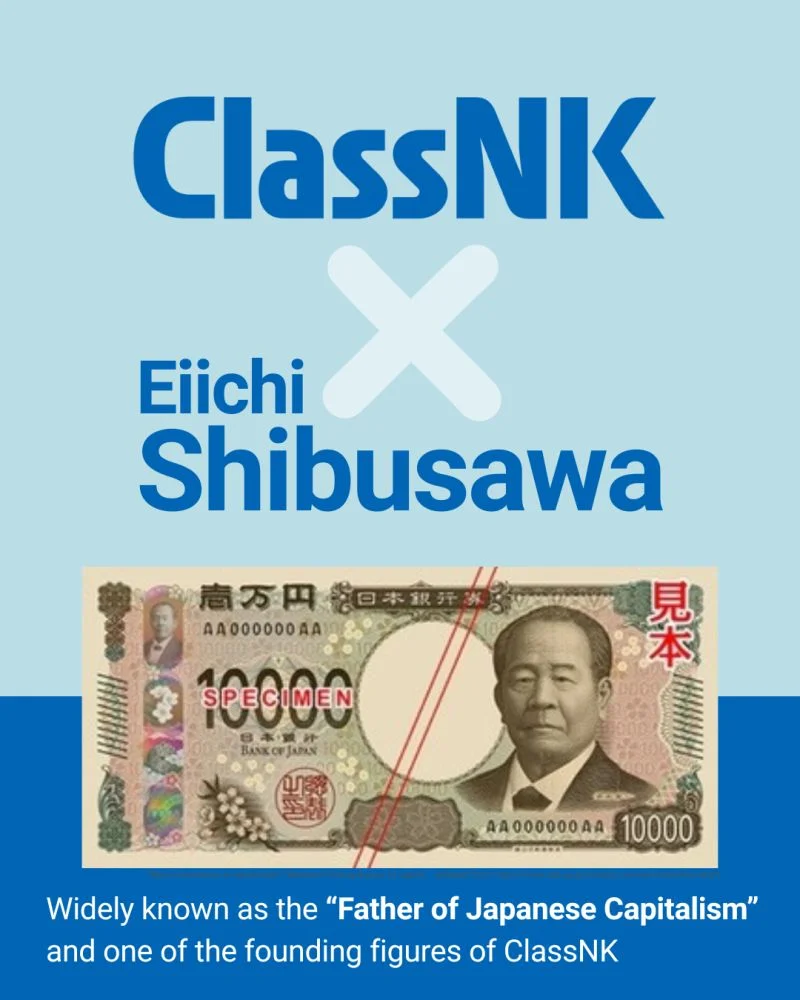
ClassNK's origin story also has a human face. Eiichi Shibusawa helped lay the foundations of modern Japanese capitalism and appears on the 10,000-yen banknote. He also played a key role in founding the society. At an extraordinary general meeting held in April 1902, he spoke for more than 30 minutes and said:
“Japan's maritime industry has fallen behind due to the country's long period of isolation. This organization must take the lead in elevating the standing of maritime affairs through its own efforts.”
His case was that a country that had been closed for a long time had to catch up deliberately, and that the maritime sector had to build its own standing. ClassNK's later decades, from the 1919 group of societies to the IACS chair, look like that argument playing out in practice. The society describes his vision of opening Japan to the sea, connecting with the world and contributing to society as still guiding it.
What this history means for buyers and operators
If you're specifying class on a newbuild or a secondhand purchase, the founding date matters less than the current register, the survey network and the rules the society applies. Still, the history explains why NK's international standing took decades to build. Recognition in underwriting clauses and in international bodies like IACS was earned over time, and it's part of why the notation carries weight in insurance and chartering discussions.
The next thing to watch is the composition of that 200-million-ton register. With a significant share of NK-classed ships now controlled by non-Japanese owners, the society's client base has become more international than its name suggests. How it manages survey capacity across more than 70 offices as that mix evolves will say a lot about where the society goes next.
Source: ClassNK