Friday, October 2, 2026 · Ocean Shipping & Ports
How Dealerships Use Enclosed Single Car Transport for Customer Deliveries
Noted by admin · 970 reads
Enclosed single car transport helps dealerships coordinate remote deliveries, protect high-value vehicles and set clearer expectations for buyers.
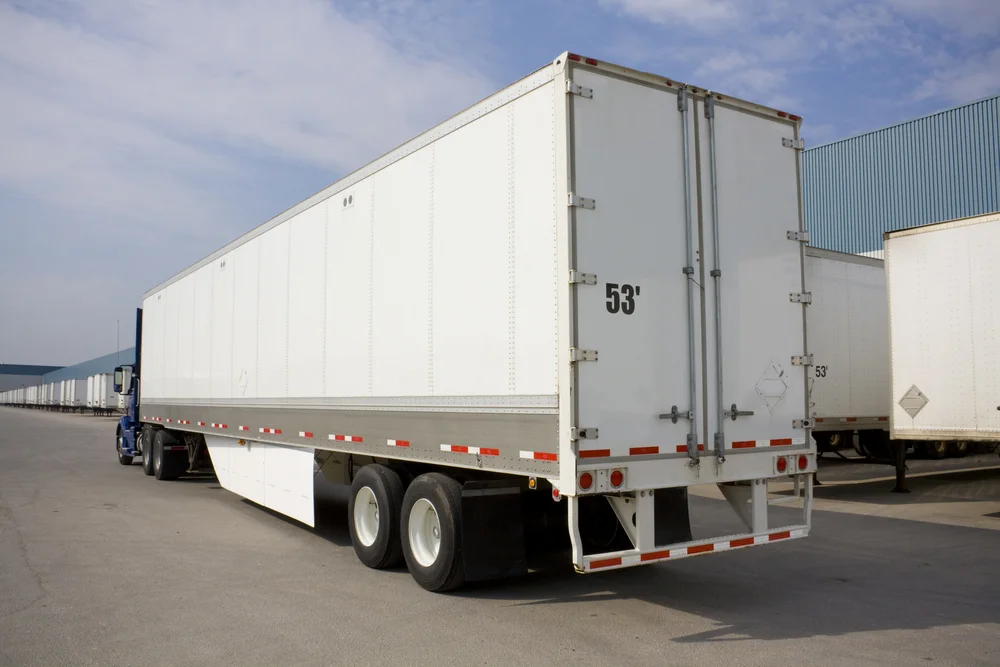
A remote vehicle sale doesn’t finish when the paperwork is signed. The dealership still has to get the car to its new owner in the expected condition, with a delivery window the buyer can plan around. For a high-value or collectible vehicle, enclosed single car transport gives the store a way to manage that final leg with the vehicle shielded from weather and road debris.
That service can fit into a dealership’s sales process as well as its delivery planning. Bringing up transport early gives staff and buyers time to agree on readiness, pickup and communication before the vehicle leaves the lot. The details matter: a buyer who has arranged a remote purchase needs to know when responsibility shifts from the dealership to the carrier, and where to turn for updates during transit.
Plan delivery alongside the sale
Dealerships use dedicated vehicle movers when a buyer lives beyond the store’s usual delivery area or completes a purchase without visiting the showroom. The dealership can coordinate vehicle pickup and work with the buyer on a delivery window, rather than leaving the customer to arrange every step on their own.
Enclosed delivery can support a single high-value vehicle when its condition and presentation are part of the purchase. The choice can make sense for a regional trip as well as a longer one. A car moving across Southern California and one heading several states away face different schedules, but in both cases the vehicle’s value and the buyer’s expectations help shape the service decision.
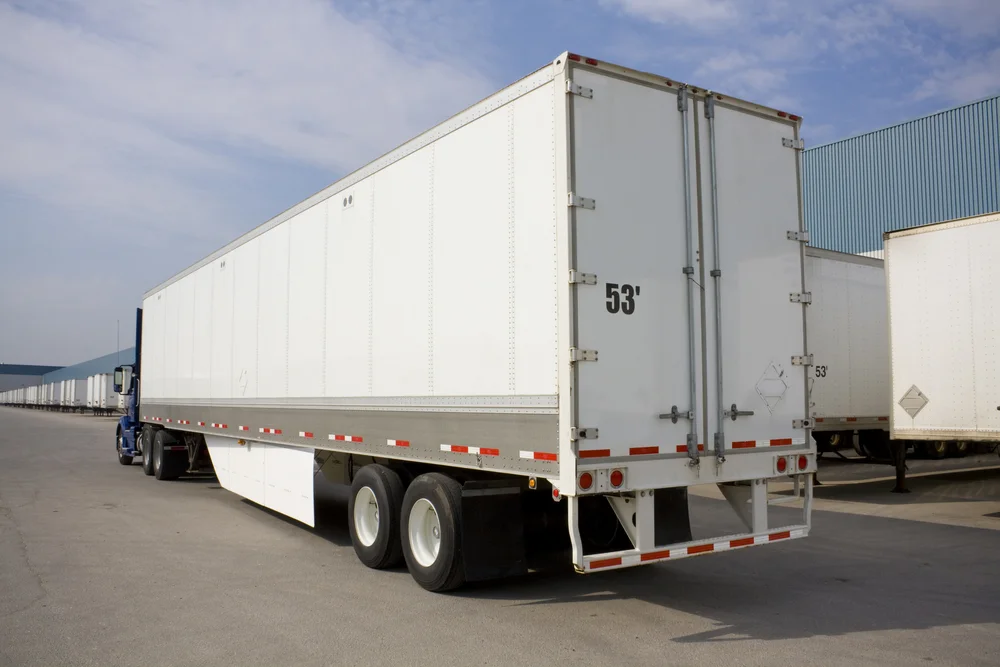
The delivery conversation works best before the sale is complete. Staff can ask when the vehicle will be ready, whether the buyer has a date they need to meet, and how much notice the carrier needs to arrange pickup. Knowing how far in advance to book a single car shipment helps the dealership build transport into the transaction instead of trying to fit it in after the fact.
Early planning also gives both sides a clearer handoff. The dealership can explain what it will coordinate, when the carrier will take possession, and which contact the buyer should use once the vehicle is in transit. That leaves less room for confusion if the customer expects the dealership to provide updates after the carrier has begun the trip.
Match the schedule to the route
Delivery estimates should reflect the journey, not just the date a buyer hopes to receive the car. A regional route will generally require fewer driving days than a cross-country move, while longer trips need more scheduling room. Weather and road conditions can affect timing, and commercial drivers have limits on driving and duty hours.
Dealership staff who understand how distance affects the timing of a vehicle shipment can set a more realistic arrival window. A useful estimate gives the buyer a basis for planning without turning an approximate schedule into a promise. The dealership can also make clear how the buyer will hear about progress and what to expect at the final handoff.
Before delivery, buyers can check a vehicle’s VIN through the vehicle recall lookup to see whether an open safety recall is listed. That check is one practical item to address as the purchase moves from paperwork toward arrival.
Transport can support inventory moves, too
A dealership may need a single vehicle moved before it is sold. Auction purchases and vehicles obtained from another seller can require transport to the store, adding a logistics step to inventory planning. Staff may also need to confirm release paperwork with a third party before a carrier can collect the vehicle.
Knowing how an auction purchase moves to its next destination can help the team account for that pickup process. A carrier already familiar with the dealership’s inventory moves may also be a known option when a future customer delivery needs to reach a buyer outside the local area.
Delivery coordination continues after loading. Buyers may still contact the dealership first when they have a question, so staff can reduce avoidable follow-up by setting expectations before departure. A clear handoff covers who to contact during transit and how the final delivery will be arranged. For customers buying remotely, those details remain part of the experience after the sale is complete.
Coordinating a single vehicle shipment
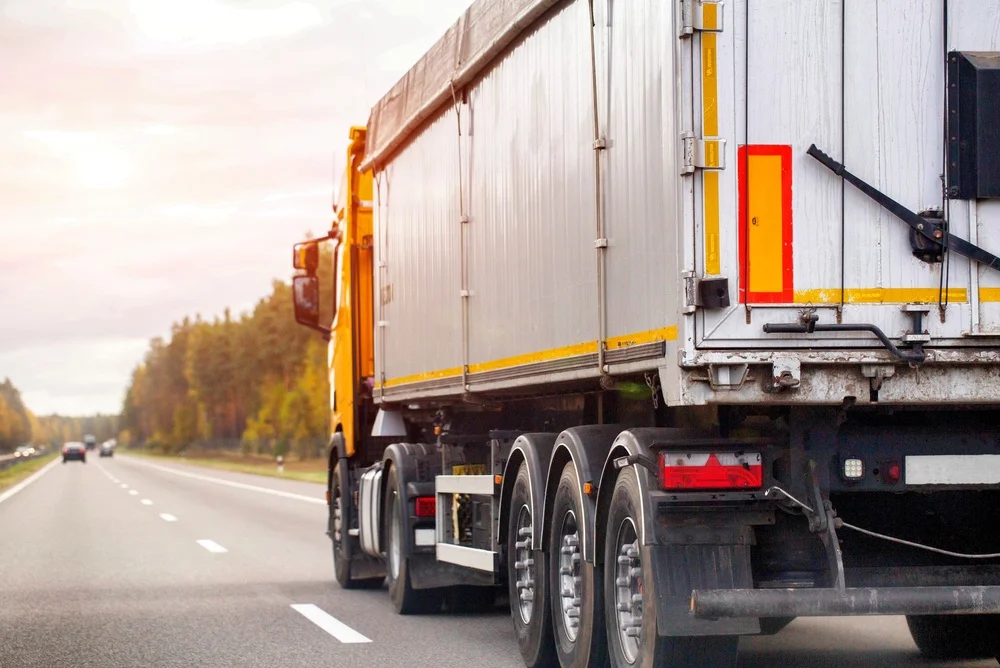
JP Logistics says its fleet and network of more than 20 terminals serve dealership and manufacturer shipments, ranging from one sold vehicle to full fleet distributions. The company says it has worked with dealerships and manufacturers for over three decades and offers enclosed carrier service for customer deliveries.
Whether the buyer is near the Petersen Automotive Museum or several states away, the dealership’s practical starting point is the same: share the pickup details and buyer’s timeline, then coordinate a delivery window around the vehicle’s readiness and the route. A well-managed handoff helps the car arrive in the condition the buyer expects and keeps transport connected to the sale from start to finish.
The post Why Dealerships Choose Single Car Transport appeared first on JP Logistics.


