Friday, October 2, 2026 · Trucking & Freight
How Distance Shapes Single Car Transport Timelines
Noted by admin · 482 reads
Regional vehicle shipments often have tighter delivery windows; cross-country trips need more time for driving limits, route conditions and pickup logistics.

For a single vehicle shipment, distance affects more than time on the road. It shapes the pickup schedule, the delivery estimate and how much room the plan needs for delays. A regional trip may take only a few driving days, while a cross-country move can involve a longer window and more coordination along the route.
That distinction matters when arranging enclosed transport for a valuable vehicle or planning around a handoff. Understanding what changes as the route grows can help owners set a workable arrival range and flag scheduling constraints before pickup. Here’s how enclosed transportation changes as the route gets longer.
Distance sets the scale of the delivery window
A shipment within one state or to a neighboring state generally involves fewer driving days than a coast-to-coast trip. With less distance to cover, there are fewer days for road conditions or route changes to affect the expected arrival. That can make the pickup-to-delivery estimate easier to plan around, though the exact window still depends on the route and other shipment details.
Long-distance moves need more time because the carrier has to cover substantially more ground. Drivers also have limits on how long they can drive before taking required off-duty breaks. Weather, road closures and construction can add further uncertainty once a trip is underway. For that reason, an arrival range is a more practical expectation for a multi-day haul than an exact arrival hour set far in advance.
Booking ahead can help with scheduling, particularly when the vehicle needs to arrive within a certain period. Knowing what happens when scheduling a dedicated vehicle shipment can help owners decide how much lead time to allow. The distance is an important starting point, but it doesn’t tell the whole story.
Pickup logistics can affect the clock before departure
The shipment timeline can shift before the carrier begins the main route. A vehicle bought at auction, for example, may not be ready for collection until payment has cleared. The auction site may also set procedures or appointment requirements that affect when the carrier can pick it up. Owners arranging transport after a purchase can review how shipping works after winning a vehicle at auction before settling on an arrival date.
Pickup from a private driveway may involve fewer outside steps. A secured facility, by comparison, could require advance notice or a scheduled collection time. Those differences can affect the shipment’s start even when two vehicles are traveling similar distances. It’s useful to share the pickup location and any access requirements when requesting a timeline.

Longer trips call for clearer updates
A short shipment may be completed before an owner needs to check in. On a cross-country run, several days can pass between pickup and delivery, making updates more useful for the person waiting at the destination. If the estimate changes, prompt communication can help the receiving party adjust its plans.
This is especially relevant when delivery connects to a specific handoff, appointment or event. Dealerships coordinating valuable inventory face a similar need to align vehicle arrival with their own schedules. That’s one reason dedicated transport can make dealership delivery planning easier. A clear plan for one vehicle gives both the sender and receiver a better basis for arranging the handoff.
Build the estimate around the actual route
Mileage offers a rough sense of the trip’s scale, but it doesn’t function as a clock. A route that appears direct on a map may still encounter bad weather, construction or a closure. The season and specific route can also affect how long the carrier needs.
For a regional shipment, a shorter delivery window may be feasible. For a cross-country move, planning around a range leaves room for the realities of a multi-day trip. If there’s a firm deadline, raise it before booking so the schedule can account for it from the outset. Owners should also consider whether the pickup location has release steps or access limits that could delay departure.
Plan the shipment around distance and pickup details
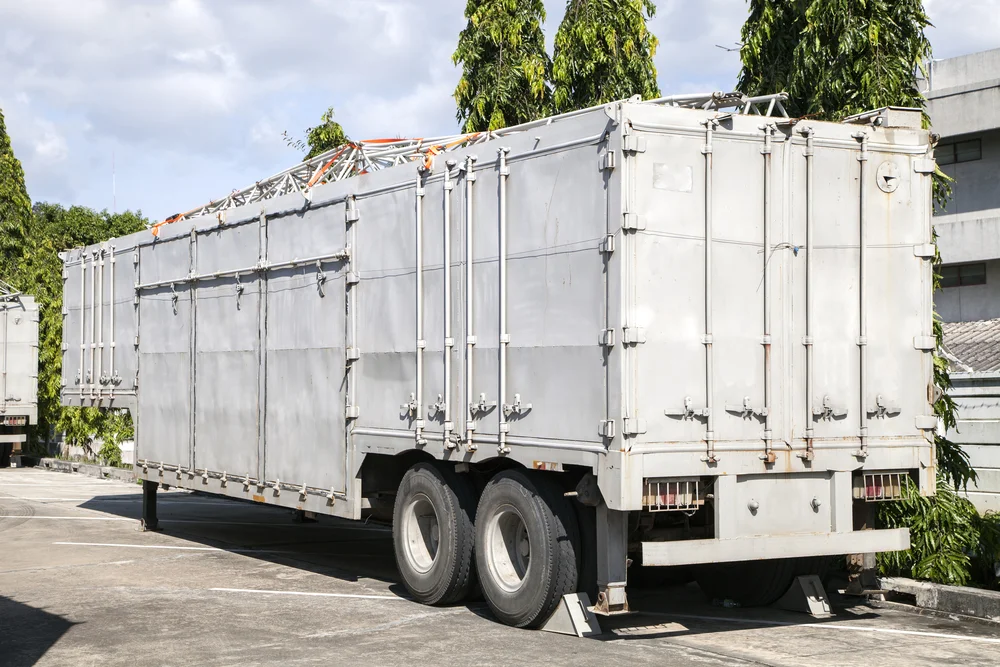
JP Logistics says it transports each vehicle in an enclosed carrier and provides real-time monitoring. Its concierge team can collect vehicles from homes or offices, and the company says it can arrange pickup within 24 hours for a vehicle near the Getty Center that needs to move quickly. The company says it has operated since 1995.
For owners, the practical starting point is to provide the origin, destination, pickup conditions and any deadline when requesting an estimate. Those details help shape a realistic timeline before the vehicle is on the road. The farther the shipment travels, the more useful it is to treat the delivery estimate as a planned window that accounts for both route conditions and the time needed to collect the vehicle.
The post How Distance Affects Single Car Transport appeared first on JP Logistics.


