Wednesday, November 25, 2026 · Trucking & Freight
Manila’s Empty Container Backlog Puts Chassis and Port Capacity Under Pressure
Noted by John Martinez · 901 reads
Business groups back a temporary depot near Manila Port as empty containers constrain chassis availability and cargo movement.
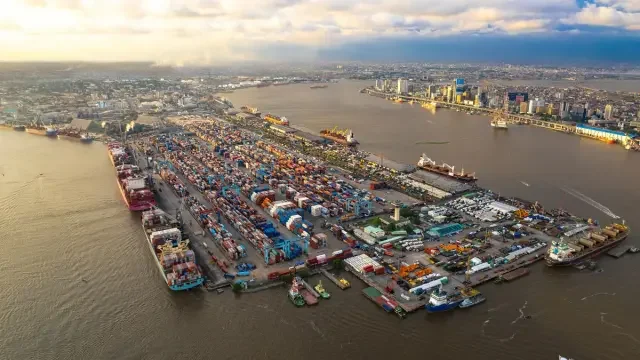
Empty containers are taking up space and equipment needed to move cargo through Manila Port. Industry estimates put the accumulated stock across the Philippines at as many as 100,000 TEUs, while limited off-dock storage has slowed efforts to clear units from terminals and nearby areas. Five leading Philippine business organizations endorsed a proposed temporary depot on November 20, calling attention to a bottleneck that affects trucking capacity as well as port storage.
The operational squeeze starts with an imbalance between laden imports arriving in the Philippines and laden exports leaving. Shipping lines need to reposition empty units to other regions, but when nearby depots lack room, containers remain in terminal and peri-port areas. Some stay on truck chassis for extended periods. Those chassis then cannot be used to collect and deliver import cargo, leaving less haulage capacity available precisely where congestion is already high.
For shippers and freight operators, the knock-on effects extend beyond the empty boxes themselves. Occupied yard space can add to congestion and lengthen cargo dwell times. Keeping containers and transport equipment tied up can also raise costs across trucking and warehousing, with delays and expenses reaching importers and other businesses. The problem has become a constraint on landside port operations, connecting container storage decisions directly to the availability of equipment for cargo movement.
Proposed depot near North Harbor
The proposed temporary site would use about five to ten hectares of reclaimed land along Manila Bay, near the North Harbor facility. Benhur Abalos said the Philippine Reclamation Authority had committed to allocating the land for empty container storage. Representatives from public bodies and private organizations inspected the proposed location on November 13. The site’s location is central to the plan: it would provide space outside existing depot facilities while remaining close to Manila’s port terminals.
The business groups point to two practical benefits. Moving empties that cannot fit in current depots could release chassis for import deliveries and other inland freight work. Storing the containers close to port terminals could also shorten the transfer distance when shipping lines need to load empties onto export vessels. The proposal therefore aims to ease pressure on both road haulage and the movement of containers back toward ships.
Barges or dedicated feeder vessels have also been considered as a way to collect empty containers directly from the reclaimed site. That approach has not been confirmed. It depends on the site being ready and on the necessary clearances, so operators should treat waterborne collection as a possibility rather than an available service. The practical value of the depot will depend on its operating arrangements, including how containers are received, stored and transferred to the next leg.
Other storage and clearance efforts
The temporary depot is one of several measures under discussion to relieve congestion. In early November, stakeholders considered temporary storage locations and additional vessels for moving empty containers. On November 4, the Philippine Chamber of Commerce and Industry said parties had committed to clearing about 1,000 long-dwelling containers from Manila Port within two weeks, with the aim of recovering terminal and yard space.
Separate proposals would add storage options beyond the Manila Bay site. The Bureau of Customs said private-sector representatives had offered about 100 hectares in Bulacan province, along with another site in Cavite province, for consideration as temporary depots. These locations, like the proposed reclaimed-land facility, require further coordination before they can be counted on as operating capacity. The available information does not establish when any of the sites will open or how quickly they could change container flows.
Abalos described the Manila-area depot as a source of immediate relief, while saying a lasting fix would require continued work between public bodies and private companies on port-space management. That distinction matters for operators: a temporary site may free room and equipment in the near term, but the scale and durability of the benefit will depend on how consistently empties can be removed from terminal areas and returned to the export network.
Freight forwarders and cargo owners moving shipments through Manila should confirm empty-container return locations and equipment availability with their shipping lines, terminal operators and local agents. Chassis supply deserves particular attention where units remain tied up, and planned costs should account for possible demurrage and detention charges. Until the depot’s opening and operating details are confirmed, shipment plans will need to accommodate uncertainty around pickups, returns and the timing of empty-container evacuation.