Tuesday, October 20, 2026 · Supply Chain Tech
5 Signs Your Fleet Fuel Strategy Is Falling Behind Operations
Noted by [email protected] (PS Energy Group) · 965 reads
Rising costs, lost driver time and limited fuel data can signal that a fleet’s purchasing and supply setup no longer fits its needs.


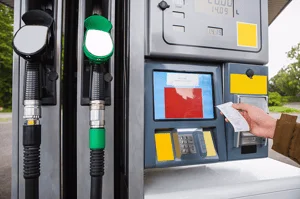
A fuel plan that worked for a smaller fleet can become a drag as vehicles, routes and service areas change. The clearest signs often show up in daily operations: drivers lose time finding fuel, managers can’t explain spending, or the supply setup struggles when demand shifts. These problems can raise costs and disrupt service, even when fuel prices themselves are outside a fleet’s control.
Reviewing how vehicles buy, access and use fuel can show where the current approach no longer matches the work. Here are five indicators to examine.
Fuel spending keeps climbing
Fuel is a major fleet expense, so persistent cost increases deserve a closer look. Price changes may explain part of the bill, but purchasing habits and operating practices also matter. Drivers who choose the nearest station by default may miss lower-cost locations or negotiated pricing. Unnecessary stops and inefficient routes can add consumption and time on the road.
Start with the details available: where purchases happen, what prices drivers pay, and whether fueling stops fit their routes. If the fleet has enough purchasing volume, ask whether discounts or agreed pricing are available. A fuel card program may provide access to selected fueling sites, discounts at the pump or based on volume, and controls over purchases. Those features can help managers compare transactions and set clearer spending limits.
Fuel cards can also make activity easier to review and help flag transactions that warrant a closer look. The value depends on whether the program’s locations, pricing and controls suit the fleet’s actual routes and needs. A card alone won’t correct inefficient routing or unnecessary consumption; managers need information they can use to change those practices.
Drivers spend too much time getting fuel
Time spent detouring to a station, waiting in line or stopping repeatedly takes drivers away from deliveries and customer work. As the fleet grows, even short delays can accumulate across vehicles and shifts. The resulting cost isn’t limited to fuel: it can affect schedules, vehicle availability and the number of service calls a team can complete.
Map fueling stops against routes and work schedules to see where drivers are losing time. Depending on the operation, on-site bulk storage or mobile fueling may reduce trips to retail stations. These arrangements require a fit with the fleet’s location and fueling patterns, but they can put fuel closer to the vehicles and reduce time away from assigned work. Discuss the available options with a fuel provider before changing the process.
Supply can’t keep pace with changing demand
Seasonal swings, new routes, broader service areas and unexpected increases in work can change when and where vehicles need fuel. A plan built around a stable schedule may be hard to manage when demand varies. Repeated schedule changes, last-minute arrangements or shortages are signs that supply planning may not match current operations.
Compare expected demand with delivery schedules, storage capacity and the locations vehicles serve. Ask whether the existing arrangement can handle fluctuations and urgent needs, and whether deliveries can be adjusted as operations change. A provider with flexible scheduling, dependable supply and emergency fueling options may help reduce interruptions. The practical question is whether the setup can respond quickly enough for the fleet’s real operating pattern.
Managers can’t see or control fuel use
If managers can’t readily tell how much fuel each vehicle uses, where purchases occur or how spending compares with budget, it’s difficult to distinguish ordinary variation from waste. Limited transaction data can also make it harder to identify unusual purchases or adjust fueling rules as the fleet expands.
Look for tools that provide detailed transaction records, timely purchase data and controls that can be tailored to the operation. Telematics can add context by connecting fuel consumption with vehicle activity, idling, driver behavior and routes. That information helps teams investigate patterns and decide where a change may improve efficiency. For example, a spending report can show where a purchase happened, while vehicle data may help explain the route or operating conditions behind consumption.
Useful visibility depends on turning records into routine decisions. Managers can review spending, investigate exceptions and update controls when vehicles or routes change. Without that follow-through, added data may not lead to lower costs or better use of driver time.
Fuel choices no longer fit operating requirements
New vehicle types, service areas and environmental expectations can add complexity to fuel planning. A fleet may need to review its fuel choices and practices as its operations change, including whether those choices support its sustainability goals and required reporting.
Identify the requirements that apply to the fleet’s locations and vehicles, then check whether the current fuel setup can support them. Alternative fuels may be relevant to some operations, but availability and operational fit need to be considered alongside goals and reporting needs. A provider with experience across fuel options may help a fleet assess what can work in its service areas.
Match the plan to the fleet you operate now
These signs point to practical questions: Are purchases happening at suitable locations and prices? Are fueling trips consuming driver time? Can supply adjust when demand changes? Do managers have enough information to act? Do current fuel options fit the fleet’s vehicles and operating requirements?
Answering those questions can help teams focus on the gaps that affect cost, time and service. A fuel strategy should reflect the routes, vehicles and demand the fleet has today. Regular reviews give managers a chance to adjust purchasing, supply and monitoring as those conditions change.


