Tuesday, October 6, 2026 · Trucking & Freight
Fuel Card Controls and Driver Training Help Prevent Fraud and Declines
Noted by [email protected] (PS Energy Group) · 623 reads
PIN checks, purchase limits and regular transaction reviews can reduce fuel card misuse and help drivers resolve declined transactions faster.
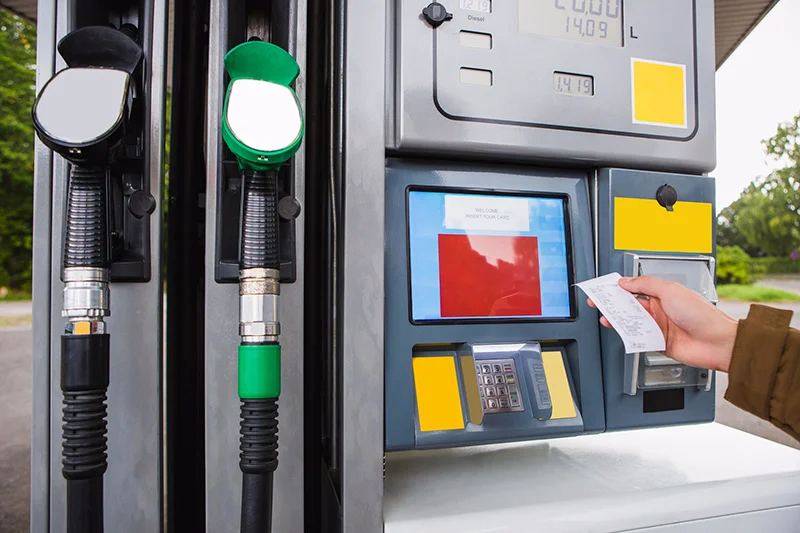
Fuel cards can give fleet managers tighter control over fuel spending, but the controls only work well when drivers understand them and someone monitors the program. Without that preparation, misuse can go unnoticed, suspicious transactions may take longer to catch, and a declined card can leave a driver waiting at the pump.
Purchase restrictions, transaction reports and volume or at-the-pump discounts can support savings and day-to-day fleet management. They don't remove the need for clear operating procedures. Before a program starts, managers should select card settings suited to the fleet, explain how drivers are expected to use the cards, and establish a contact for problems. Once cards are in use, transaction reviews and a quick response process help turn small issues into manageable fixes.
Two recurring challenges deserve particular attention: misuse or theft of card information, and legitimate purchases that the card declines. They have different causes, so prevention and response procedures should address each one.
Separate misuse, slippage and card fraud
Driver education starts with defining what improper use looks like. Misuse means using a fleet card to fuel a personal vehicle or one owned by a friend or family member. Slippage means buying non-fuel goods, such as drinks or snacks, with the card and recording the expense as fuel. Fraud involves a third party using stolen or skimmed card information.
These distinctions help managers respond to a problem with the right follow-up. A driver who misunderstands the purchase rules may need clearer instruction; suspected theft of card data calls for prompt review of transactions and card security. A written policy should explain which purchases are allowed, how to report a lost or compromised card, and what consequences apply when someone uses a card improperly.
Card settings can add a layer of protection. Depending on the provider and program, managers may be able to limit eligible purchase types, transaction counts, spending amounts, purchase frequency or the hours when a card can be used. The limits should match actual fueling needs. Settings that are too loose may leave room for unauthorized use, while limits that don't reflect a driver's route or schedule can create avoidable declines.
Additional checks can make misuse harder. Requiring a personal identification number (PIN), plus information such as a vehicle unit number, links a transaction to a driver or vehicle. Drivers should also know how to inspect a pump for signs of tampering or a card skimmer. If a reader looks different from others at the station, or otherwise appears suspicious, they should choose another pump and alert the station attendant.
Regular transaction reviews provide another practical safeguard. Look for amounts, locations or fueling frequency that don't fit expected activity. Reviewing reports consistently can help managers investigate unusual patterns while the details are still fresh. Purchase controls and driver checks reduce exposure, but they aren't a substitute for monitoring.
More guidance on spotting suspicious activity is available in this overview of fuel card fraud monitoring, and these fuel card security practices cover additional ways to protect cards.
Make declined cards easier to resolve
A decline can interrupt a driver's route and consume time while the cause is identified. Most common problems have a straightforward explanation, but drivers need to know what information to check and whom to contact. A response plan prepared before launch can keep a transaction issue from turning into a prolonged stop.
- Incorrect PIN: Drivers should know their PIN and the steps to take if they forget it. When a reset is needed, they may need to contact the card provider.
- Purchase outside the card limits: A transaction may fail because it exceeds a spending cap, falls outside the permitted frequency or time window, or involves a restricted purchase type. Managers can review the settings and adjust them when the rules don't fit operating needs.
- Location doesn't accept the card: Drivers should know where their card works. Some providers offer an app or online locator to help them find a nearby accepting station.
Managers can make these steps easier to follow by providing drivers with the relevant contact details, explaining how to find an accepting station, and outlining what to do if a transaction still fails. Drivers shouldn't have to guess whether they should try another location, request a PIN reset or contact a supervisor.
Build the process before issuing cards
A reliable program combines card settings with driver preparation and ongoing oversight. Before rollout, fleet teams can review the provider's available controls and choose settings that fit the vehicles, fueling patterns and routes in their operation. They can also walk through common scenarios with drivers, including a forgotten PIN, a suspicious pump reader and a purchase that falls outside a limit.
After launch, teams can check that the settings still fit, review transaction activity, and address questions as they arise. If drivers repeatedly encounter declines because of a particular control, that pattern is a reason to examine the setting. If transaction reports show activity that doesn't match normal fueling, managers can investigate under the program's procedures.
Fuel cards work best when drivers know the rules and managers have a clear way to review activity and resolve exceptions. That combination can help reduce improper purchases, catch suspicious use and get drivers moving again when a valid transaction is declined. For guidance on comparing card options, see these questions to ask when evaluating fuel card providers.


