Friday, October 16, 2026 · Ocean Shipping & Ports
How 3PL Value-Added Services Prepare Goods for Retail and Ecommerce
Noted by Thomas Johnson · 559 reads
Kitting, labeling, repackaging and retailer-specific preparation help brands manage different fulfillment needs through one 3PL operation.
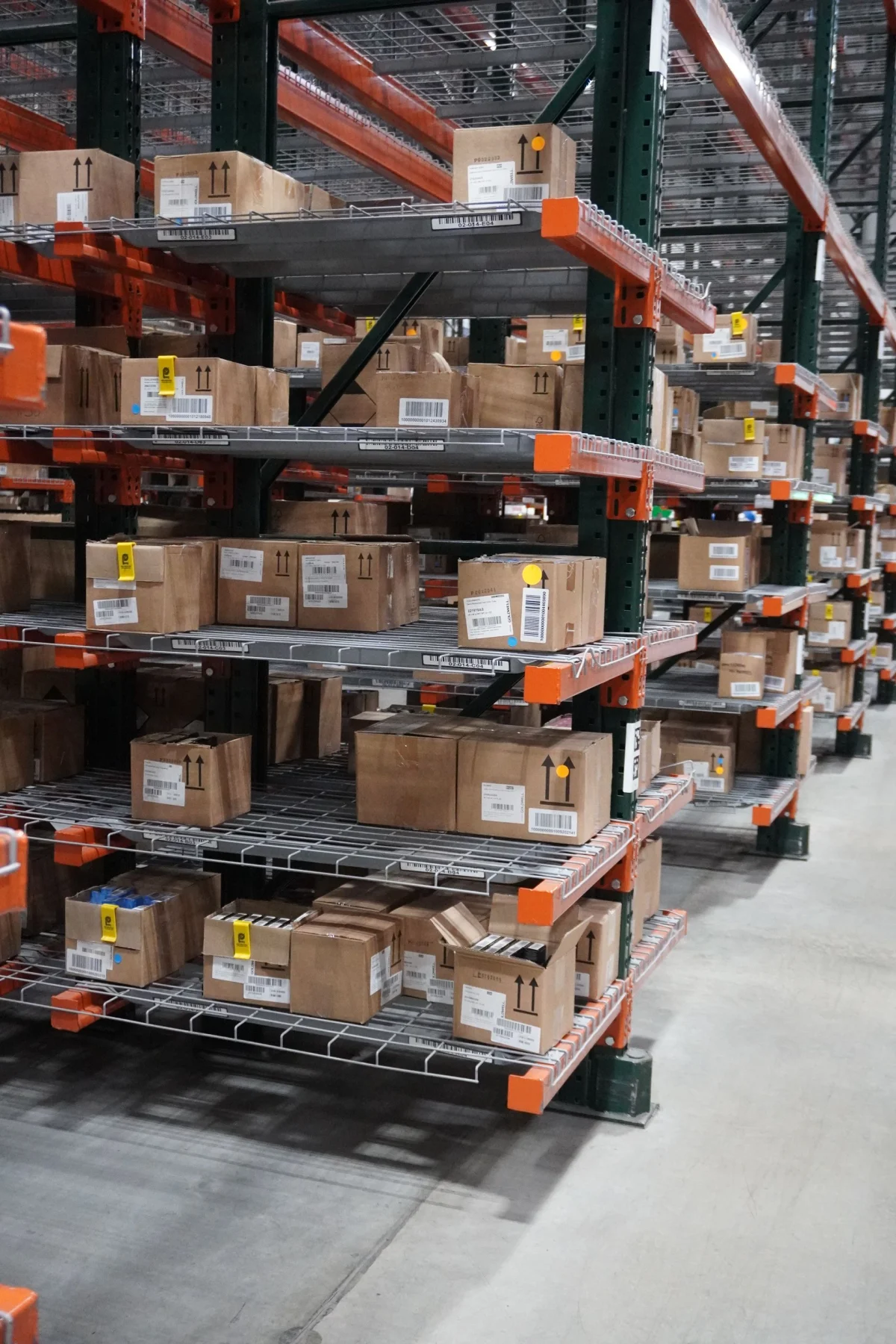
Warehouse work can extend well beyond receiving, storing, picking, packing and shipping. For brands selling through both ecommerce and retail channels, value-added services (VAS) prepare products and orders for the requirements of each route to market. Kitting, labeling, pre-ticketing, repackaging and retail preparation are common examples.
The practical benefit is having these tasks coordinated with inventory and fulfillment. A brand may need individual orders shipped to consumers while other units are assembled into promotional kits or prepared for a retailer. A 3PL that handles those activities alongside standard fulfillment can reduce the need to coordinate separate warehouse providers for each step.
Warehouse services beyond basic fulfillment
Standard fulfillment generally covers the movement of an order through the warehouse: receiving goods, keeping inventory, picking items, packing orders and shipping them. Value-added work adds preparation or customization before goods leave the facility. The right tasks depend on the product, the sales channel and the customer’s specifications.
Common services include assembling several products into one sellable unit, applying labels or price tickets, repackaging goods, processing returns and preparing cartons for retail distribution. For an apparel brand, that could mean applying tickets and labels to products according to a retailer’s instructions. For an ecommerce seller, it could mean combining several items in a promotional bundle.
Doing this work inside the warehouse lets brands connect product preparation with the inventory and orders those activities depend on. It also gives the fulfillment operation a defined process for handling different product and channel needs.
Kitting connects products to a specific offer
Kitting means grouping individual products into one package or sellable unit. Brands may use it for subscription boxes, seasonal assortments, promotional bundles or special product offerings. The warehouse receives the component items, assembles them according to the brand’s requirements and prepares the finished kit for storage or shipment.
That process can sit alongside ordinary order fulfillment. A warehouse may handle standard orders while also preparing kits for a promotion, so both types of work draw on managed inventory and fulfillment operations. This can be useful when an offer changes the way items are packed or sold without changing the handling required for every order.
Clear instructions matter: teams need to know which products belong in each kit and how the finished package should be prepared. The brand and its 3PL can define those requirements around the product and the intended offer. The source describes 3PL coordination of kitting with inventory management and fulfillment, though it doesn’t specify particular production rates or service levels.
Labels and tickets prepare goods for retail channels
Retailers may specify price tickets, barcode labels, carton markings or other identification details for merchandise they receive. Pre-ticketing and labeling apply those requirements before shipment. This preparation can involve extra coordination for apparel and footwear, where products may come in many sizes, colors and styles and may be destined for different retail partners.
Carton identification and customer-specific packaging requirements extend the work beyond the individual product. The shipment needs to be prepared so that its cartons and contents meet the instructions provided for that customer. Barrett Distribution is identified in the source as providing retail preparation that includes pre-ticketing, labeling, carton identification and customer-specific packaging.
Retail preparation covers the shipment as well as the product
Retail requirements can also cover palletization, carton preparation, shipping documentation and advance shipping notices (ASNs). A shipment that misses a retailer’s requirements may face delays, extra handling or chargebacks. That makes preparation a warehouse process with direct consequences for getting goods accepted and moving through the customer’s operation.
A 3PL can build these requirements into order preparation so teams can work to customer-specific instructions. Barrett’s omnichannel fulfillment capabilities include retail preparation services described as supporting orders prepared to those requirements. The source does not give figures for chargebacks, delays or performance, so the operational case is the need to manage each retailer’s specifications before dispatch.
One operation can serve consumer and wholesale orders
Ecommerce brands may need kits ready for a product launch while continuing to ship individual direct-to-consumer orders. If they expand into wholesale distribution, they may also need retailer-specific labels and packaging. Those orders follow different preparation steps, even when they draw on the same product inventory.
A 3PL with both business-to-consumer and business-to-business capabilities can coordinate those requirements within a broader fulfillment operation. The value depends on whether the provider can support the brand’s actual products, order volumes, packaging instructions and distribution channels. Warehouse technology, inventory visibility, flexibility and experience with retailer requirements are also factors brands can assess.
Barrett is described as combining value-added services with warehouse management technology, transportation capabilities and omnichannel fulfillment. The source also says it provides customer-specific warehouse processes. It doesn’t provide performance comparisons or service metrics, so brands evaluating a provider would need to establish how its capabilities fit their own workflows.
What brands should clarify with a 3PL
Before moving preparation work into a 3PL warehouse, a brand can define which activities it needs, which products and channels they apply to, and what packaging or identification instructions govern each order type. It can also assess how the provider manages inventory visibility and adapts warehouse processes to different customer requirements.
VAS refers to warehouse activities beyond basic storage and shipping. Kitting is one such service: it combines multiple products into a single package or unit. Fulfillment handles the usual receiving, storage, picking, packing and shipping tasks, while value-added work prepares or customizes goods for distribution. Omnichannel 3PLs can support ecommerce orders alongside retailer labeling, packaging and preparation.
Barrett Distribution’s listed capabilities include retail preparation, labeling, pre-ticketing and other customer-specific warehouse services. The useful question for brands is how well a provider can connect those tasks to inventory and the distinct requirements of consumer and wholesale orders.


