Thursday, October 15, 2026 · Ocean Shipping & Ports
When Ecommerce Brands Should Move Fulfillment to a 3PL
Noted by John Johnson · 910 reads
Rising order volume, inventory problems and new retail channels can strain in-house fulfillment. A 3PL can add warehouse capacity, systems and shipping support.
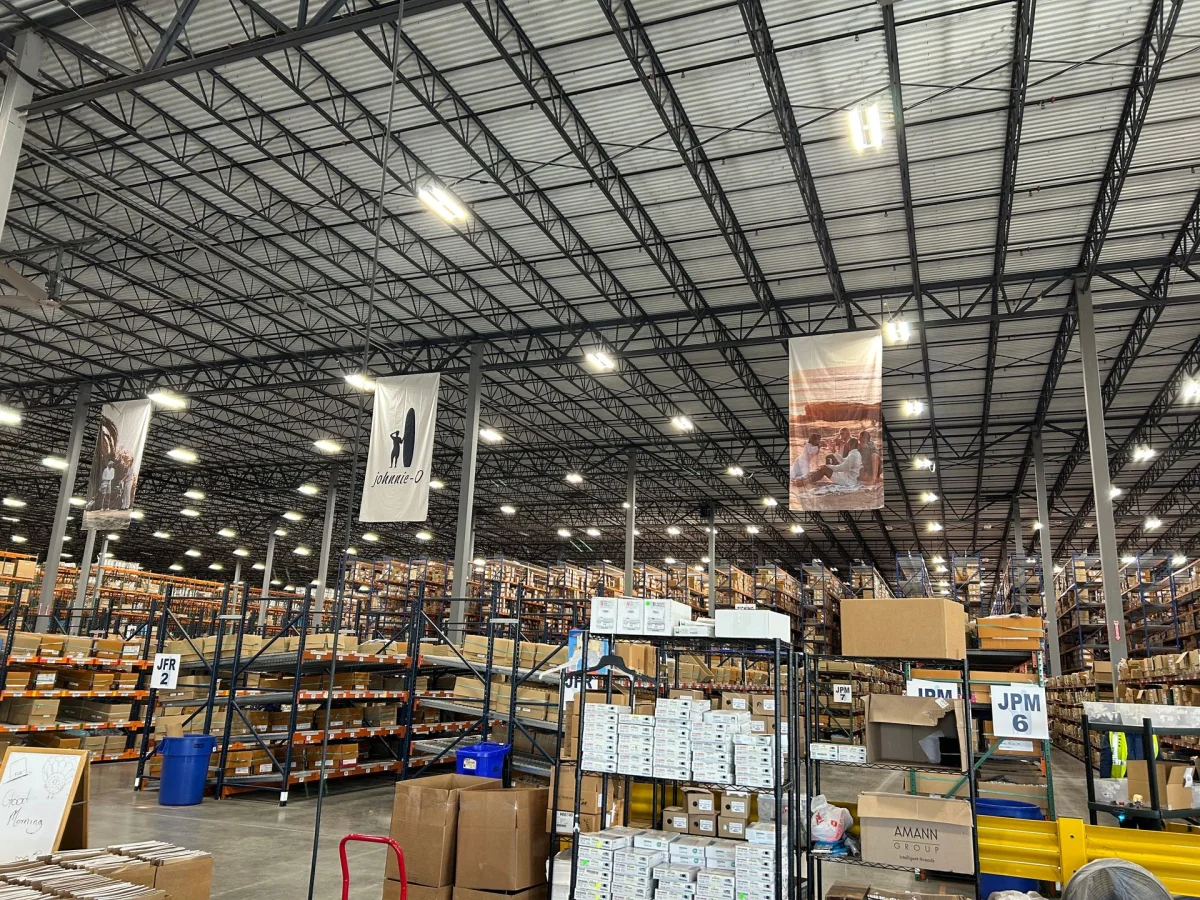
For an ecommerce brand, the clearest reason to consider a third-party logistics provider is that fulfillment is starting to constrain the business. Delays, inventory errors, tight warehouse space or recurring difficulty covering busy periods can indicate that the operation has outgrown its current setup.
There’s no universal order count that makes outsourcing the right choice. The decision depends on how much work each order requires, the cost of space and labor, customer delivery needs, and the brand’s plans for growth. A 3PL can supply warehousing, inventory management, picking, packing and shipping coordination through an established operation, without requiring the brand to build all of that capacity itself.
Look for recurring operational strain
A temporary rush can be managed with short-term adjustments. Persistent problems are a stronger signal to review the fulfillment model. Common indicators include late order processing, frequent differences between recorded and physical inventory, rising operating costs, and trouble handling seasonal peaks.
These issues can compound. Limited space may make stock harder to organize; poor organization can make picking slower or increase the chance of errors. When order volume grows, the workload also brings staffing and shipping demands that an in-house team may struggle to absorb. If managing those demands takes time away from the rest of the business, outsourcing may be worth evaluating.
The useful question is not simply whether the operation can ship today’s orders. It’s whether the current setup can reliably handle the business’s order mix, inventory needs and expected growth without creating avoidable delays or costs.
What a 3PL can add
A logistics provider manages some or all of the day-to-day work involved in storing and dispatching products. Brands can draw on the provider’s warehouse space, staff, technology and transportation capabilities rather than adding each resource internally. The exact services depend on the provider and the brand’s requirements.
Barrett Distribution offers omnichannel fulfillment, warehouse management technology, transportation services and value-added capabilities. Those services can support businesses whose distribution needs change as they add products, order channels or customer groups. Outsourcing can also give a brand access to warehouse infrastructure without the same need to establish and staff additional facilities itself.
The fit depends on the work being transferred. A brand should be clear about which tasks it expects the provider to handle, what information must move between systems, and what service requirements matter to its customers. The objective is to build an operating arrangement that can manage the actual order flow, including its peaks and product handling needs.
Warehouse locations affect the shipping plan
For brands serving customers in several regions, warehouse placement is part of the fulfillment decision. A distribution network can give a business options for positioning inventory closer to demand, but the right setup depends on customer geography, order volume and how much stock the brand needs to hold.
Barrett’s facilities are located in Massachusetts, New Jersey, New York, Maryland, Virginia, Tennessee, Texas and California. That footprint may be relevant to brands assessing regional or national fulfillment strategies. A facility list alone doesn’t determine the best arrangement: companies also need to consider their inventory requirements and the locations they serve.
Shipping efficiency depends on the whole operation, including warehouse processes and transportation management. Before changing the network, brands should understand how inventory will be distributed, how orders will be routed and how the provider’s facilities match their customer base.
Retail distribution adds different requirements
Moving from direct-to-consumer sales into wholesale or retail brings more than a new order source. Retail shipments may require specific labels and packaging, pallet preparation, shipping documents and procedures that differ from parcel orders sent to individual customers.
Barrett supports B2C and B2B fulfillment, including retail services such as pre-ticketing, labeling and advance shipping notice management. A provider with experience across these channels can coordinate different order types within an omnichannel operation. Brands considering this move should map the handling and documentation requirements for each channel before deciding which work to outsource.
Assess the full cost and transition
Comparing a 3PL with in-house fulfillment takes more than looking at warehouse storage or pick-and-pack rates. The total comparison should account for order volume, inventory storage, transportation expenses, staffing and the level of service required. Outsourcing may lower costs in some situations, but the result depends on the brand’s particular operation.
Technology compatibility and inventory visibility also matter. Before selecting a provider, brands should examine whether systems can exchange the necessary order and inventory information, what geographic coverage is available, and how transportation services fit their needs. Clear operating procedures help both sides understand how orders, inventory and exceptions will be handled.
A transition also takes preparation. Accurate product data, system testing and coordination between the brand and provider are part of the work. Barrett describes its onboarding process as including operational discovery, technology planning, testing, go-live preparation and post-launch support. Timelines vary with inventory complexity, integrations, operational needs and facility readiness, so brands should establish expectations before launch.
Make the decision around the operation
There is no fixed order-volume threshold for using a 3PL, and outsourcing is not automatically cheaper. The relevant measure is whether the current fulfillment setup can meet the brand’s needs at a reasonable total cost while handling its products, channels and demand patterns.
Brands weighing a change should compare the complete cost of each model, confirm that the provider can support the required sales channels and locations, and plan the system and process handoff. When fulfillment strain is persistent, a well-defined 3PL arrangement can provide capacity and operational support as the business grows.
Barrett Distribution provides ecommerce fulfillment, warehousing, inventory management, transportation and omnichannel distribution services. Brands can contact Barrett Distribution Centers to discuss their requirements.