Wednesday, October 14, 2026 · Ocean Shipping & Ports
How 3PL Data Can Improve Warehouse Planning and Customer Costs
Noted by John Williams · 600 reads
Barrett Distribution Centers uses order and productivity data to plan labor, review performance with customers and identify process savings.
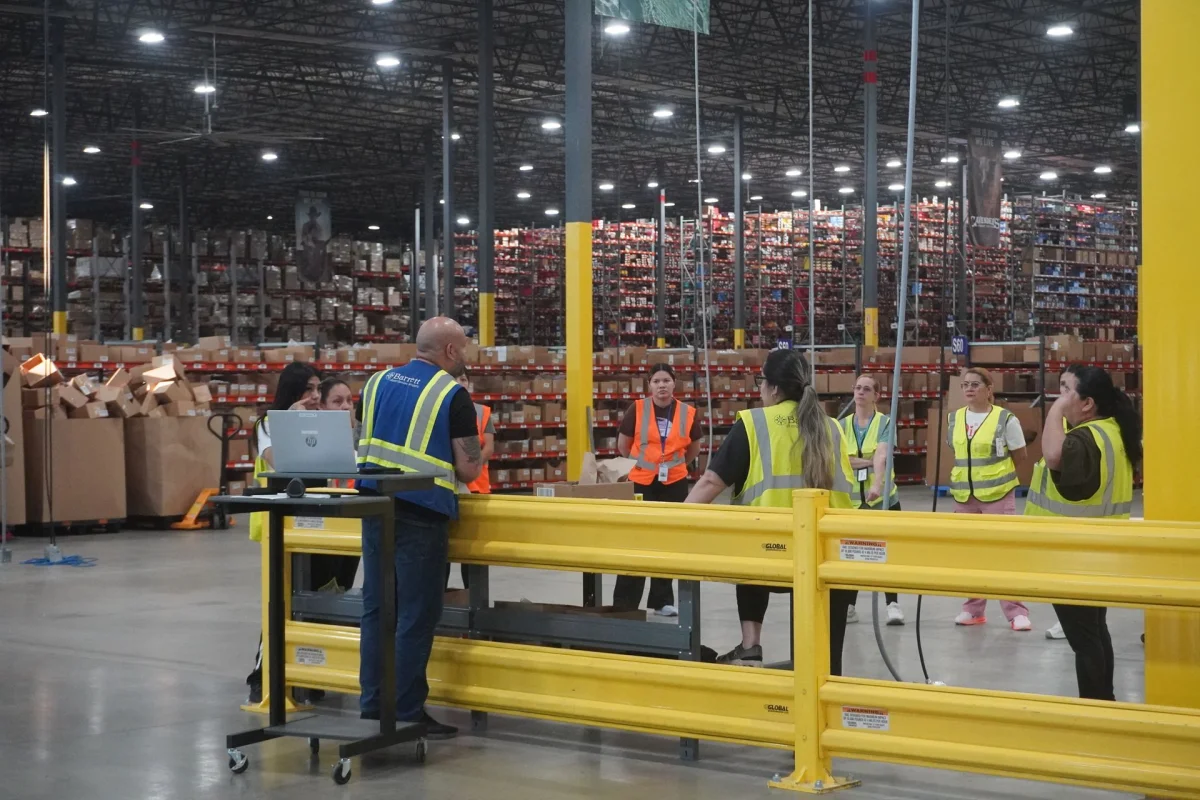
Order data can help a fulfillment provider decide where to place inventory, how to plan staffing and what to examine when operating costs or service results miss expectations. At Barrett Distribution Centers, the data analytics team uses operational information to inform those decisions and work with customers on process improvements.
The value comes from connecting records to action. A report may show a change in order volume, but warehouse teams still need to decide what that shift means for labor, inventory and order processing. That takes analysis grounded in the operation, along with a plan that teams can put into practice.
Forecasting turns demand patterns into labor plans
Preparing for a busy sales period is one example. A brand may expect higher demand, while the fulfillment provider needs to work out what that means for the people and resources required on the warehouse floor. Historical order patterns, planned promotions and seasonal fluctuations can all inform that work.
Jordan Johnsen of Barrett's data analytics team describes forecasting as a valuable use of operational data. As he puts it, “The better labor plan we have, the better we're going to make sure we have the right people in the right place to get that product out the door.”
That connection matters because a forecast is useful only if it helps the operation prepare. When teams consider past order patterns alongside expected promotions and seasonal changes, they have more evidence for planning staffing and order processing. Barrett also monitors employee productivity to understand how work progresses through the facility.
Productivity information can help teams look more closely at how work is being handled across the operation. Paired with demand patterns, it gives planners a basis for matching resources to expected work rather than relying only on assumptions. The source describes these data points as inputs to planning; it does not specify a forecasting system, a measurement method or particular performance targets.
Shared figures can make customer reviews more useful
Operational data also gives a brand and its fulfillment provider something concrete to discuss together. Questions about performance, capacity or costs can be harder to settle when each side starts from different assumptions. Reviewing the same information gives both teams a common point of reference for asking what happened and what to do next.
Johnsen says, “If two smart people get together and we're looking at the same data, we're going to come to somewhat the same conclusions.” The practical point is that a useful review depends on more than collecting metrics. The people involved need to interpret them together and connect the findings to decisions about the operation.
That includes examining results that raise concerns, not just highlighting favorable figures. A business review can look at an unexpected result, explore its possible causes and settle on a course of action. For customers, that can make conversations about service and cost more specific: the teams can point to shared information as they discuss what needs attention.
The source does not describe specific service measures or review schedules. Those details will vary by operation, but the working principle is clear: information is most useful when the parties can examine it openly and use it to agree on next steps. If the numbers reveal a shortcoming, addressing it can help the customer and provider understand what should change.
Process reviews can uncover savings
Barrett's analytics and engineering teams also work with warehouse teams and customers on improvement initiatives, including kaizen events. They bring real-time data into discussions about established processes, looking for opportunities to change how work is performed and assess the financial effect of those changes.
That approach gives process reviews a practical focus. Teams can examine the work as it happens, consider where a process might be improved and evaluate what a proposed change could mean financially. The source does not identify particular process changes or savings amounts, so the results will depend on what the teams find in each operation.
Johnsen says savings from these efforts are often passed on to customers through reduced rates or adjustments to their agreements. That links improvement work on the warehouse floor to the customer’s costs: when a process develops in a way that creates savings, the customer may benefit through a change in pricing or terms.
For brands assessing a 3PL, analytics deserves attention alongside warehouse infrastructure, technology integrations and fulfillment experience. A provider may hold extensive operational data, but the useful question is how its people interpret that information, discuss the results with customers and translate findings into changes to planning or processes.
Warehouse activity produces a continuing stream of information about orders, labor and processes. Its practical value depends on whether teams can use that information to prepare for demand, investigate performance and evaluate improvements. Barrett's approach, as described by Johnsen, ties those uses to customer discussions and possible cost savings.
For customers reviewing a provider's analytical capabilities, the clearest questions are operational: how does information support labor planning, how are unexpected results discussed, and how do teams assess the financial effects of process changes? The answers show whether data is being put to work in the day-to-day fulfillment operation.
Brands interested in discussing fulfillment with Barrett Distribution Centers can contact the company.