Monday, October 12, 2026 · Ocean Shipping & Ports
Warehouse Location Shapes Shipping Speed and Inventory Strategy
Noted by Thomas Jones · 914 reads
Customer geography, carrier access and inventory placement determine whether one warehouse or a distributed network can support faster fulfillment.
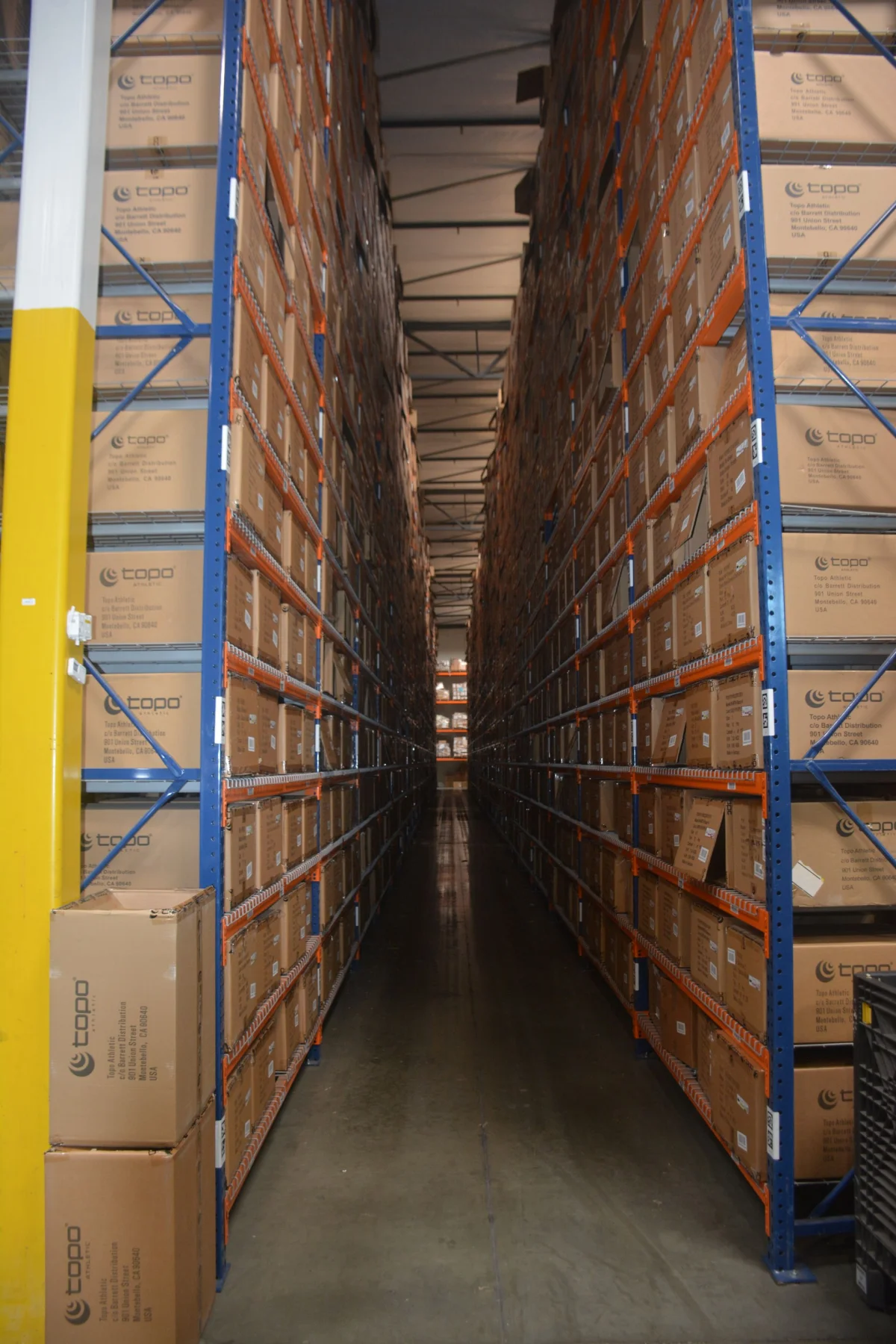
Warehouse location sets the distance an order must travel, but proximity to customers is only one part of shipping speed. Inventory availability, order processing, carrier choice and transportation planning all affect how quickly goods reach their destination. For shippers, the location decision works best when it reflects actual customer demand and the way products move through the network.
That makes warehouse placement a distribution decision as much as a real estate one. A site can offer access to a large customer market and still fall short if the right inventory isn’t there or the operation can’t process orders efficiently. Conversely, a well-positioned facility connected to suitable carriers can help reduce shipping distances and support more reliable order fulfillment.
Start with where customers are
The useful question isn’t simply which city is closest to a brand’s headquarters. It’s where customers are concentrated, and how those locations line up with the company’s order volume, inventory needs and transportation costs. A business serving a concentrated region may be able to cover its demand from one warehouse. A brand shipping nationwide may consider several fulfillment locations to place some inventory nearer to customers in different markets.
Regional options cited by Barrett Distribution include Massachusetts, New Jersey and New York for the Northeast; Maryland and Virginia for the Mid-Atlantic; Tennessee and Texas within broader national networks; and California for West Coast operations. These locations are examples to evaluate against customer geography, rather than a universal ranking of the best warehouse markets. The right fit depends on where orders go and what the business needs each facility to handle.
Customer patterns can also change as a business grows. A location strategy that serves a concentrated customer base may need another look if orders become more geographically dispersed. Reviewing destination patterns alongside inventory requirements can help teams decide whether to keep a centralized setup or distribute stock across more than one site.
One facility or several?
A single warehouse can keep inventory and operations in one place, which may suit a brand with concentrated demand. Managing stock through one facility also avoids dividing inventory among locations. That simplicity has to be weighed against the shipping distances orders may cover when customers are spread across the country.
Multiple warehouses can shorten the distance some orders travel by putting inventory closer to parts of the customer base. The benefit depends on having the products customers order available at the appropriate facilities. If stock is split in a way that doesn’t match demand, the network may offer less flexibility than expected. Inventory requirements, order volume, customer geography and transportation costs all belong in the decision.
Here’s the thing: adding locations doesn’t automatically make every delivery faster. A distributed setup still depends on inventory availability and on how well fulfillment and transportation work together. Brands weighing another facility should consider how orders would be allocated, which products need to be stocked there and whether the location supports the destinations the business is trying to serve.
Transportation access matters on both sides of fulfillment
Highways, parcel carrier networks and ports can affect how products enter a warehouse as well as how finished orders leave it. A site’s connections to those networks can support inbound inventory movement and outbound distribution, while its customer proximity helps determine the distance to delivery destinations. Evaluating both flows gives shippers a fuller view of what a location can contribute.
Barrett’s Curtis Bay, Maryland facility is within 10 miles of the Port of Baltimore and nearby FedEx and UPS hubs, according to the source material. Those connections place the facility near named transportation infrastructure. For a brand assessing a warehouse, the practical question is how the available connections fit its inbound and outbound transportation plans.
Operations still determine the outcome
Warehouse placement is one part of shipping performance, alongside inventory availability, processing, carrier selection and transportation planning. A closer facility can reduce the distance goods travel, but it can’t compensate for a product being unavailable or an order moving slowly through fulfillment. Location should therefore be considered as part of the operating plan, not as a standalone promise of delivery speed.
A third-party logistics provider can help coordinate location choices with inventory management, fulfillment and transportation. Barrett describes its services as covering B2B and B2C omnichannel fulfillment, warehouse technology, inventory visibility, transportation management and operational analytics. Its national network offers brands multiple facilities to consider as they plan where to position inventory.
For shippers comparing providers or building their own network, the useful measure is how each location supports the company’s specific demand and processes. Customer destinations, stock requirements, carrier access and operating needs should inform the choice. The takeaway: choose warehouse locations around the orders the network must serve, then check that inventory and fulfillment operations can make the distance advantage count.
Common questions about warehouse location
Where should an ecommerce warehouse be located?
Base the choice on customer demand, transportation access, inventory requirements and the broader distribution strategy. A major city may be useful when many customers are nearby, but the site’s operating capabilities and costs also matter.
Can multiple warehouses improve delivery times?
They can shorten shipping distances for some orders when inventory is available at facilities nearer to customers. The result depends on customer locations and how stock is positioned across the network.
Does a warehouse near a major city always ship faster?
Not necessarily. Proximity can help when customers are concentrated in or near that market, while transportation access, costs and operational capabilities also shape performance.
Does Barrett operate warehouses across the United States?
Barrett describes a national network of fulfillment and distribution facilities across multiple U.S. markets. Brands can review those locations against their customer geography and distribution needs.
Brands evaluating Barrett Distribution can start a conversation with Barrett Distribution Centers.


