Monday, October 12, 2026 · Ocean Shipping & Ports
The Teams Behind Third-Party Logistics Fulfillment Operations
Noted by John Martinez · 696 reads
Technology, transport, finance and customer teams coordinate with warehouse staff to support orders and help brands manage operational change.
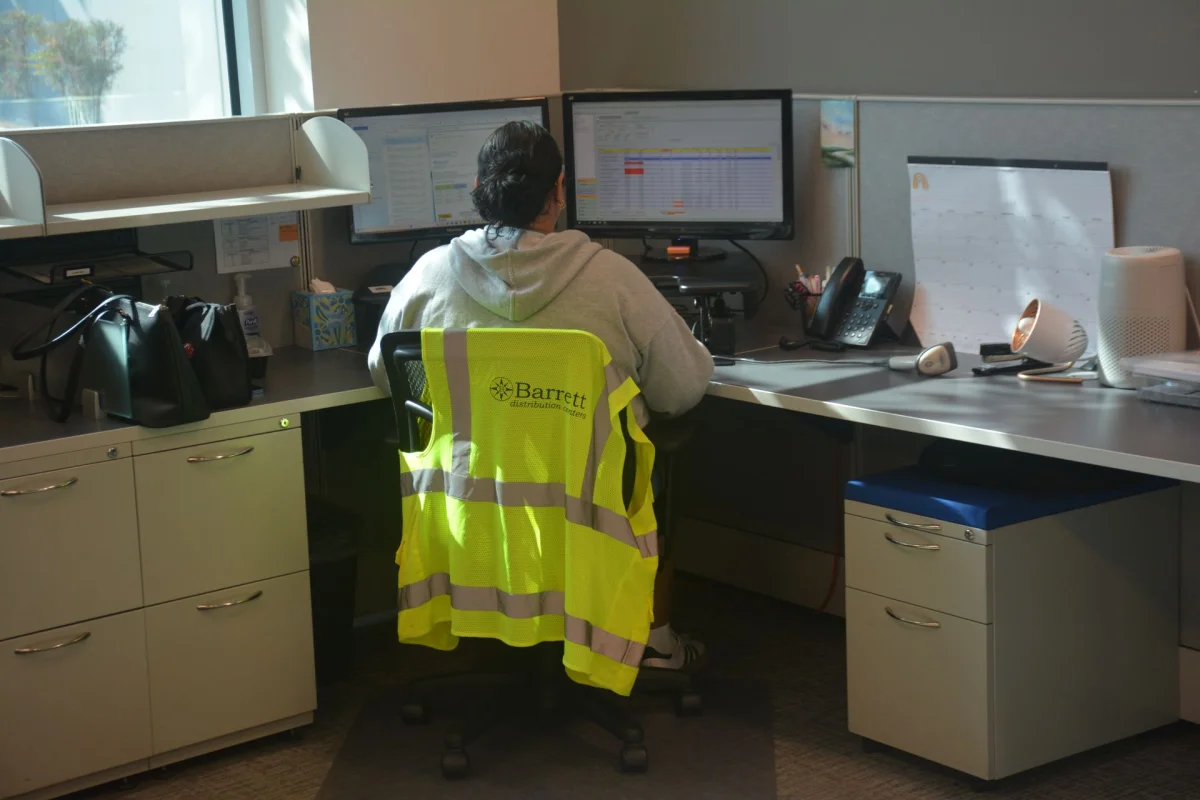
Fulfillment depends on work that starts well before an associate picks an order. Technology, transportation, finance and customer experience teams help connect a brand’s systems and plans to the daily activity inside a distribution center. Their coordination shapes how information moves, how decisions get made and how the operation responds when a customer’s needs change.
The warehouse remains central to third-party logistics. Staff receive, store, pick, pack and ship products. But those physical tasks rely on people across the organization to make sure the right information, processes and resources are in place. A fulfillment operation can be busy on the floor and still struggle if inventory data, customer instructions or transportation plans don’t line up.
Coordination begins before orders arrive
Technology teams help maintain connections among ecommerce platforms, inventory systems and fulfillment operations. Those links allow order and stock information to pass between the systems a brand and its logistics provider use. When those connections need attention, the effects can reach beyond a software screen: teams may need to reconcile information, adjust workflows or clarify what an order requires.
Transportation specialists assess shipping options and distribution costs. Their work brings the movement of goods into the wider fulfillment plan, where choices about shipping and distribution can affect how an operation serves a customer. Finance and commercial teams develop pricing structures with the customer’s business requirements in mind. Customer support professionals keep information moving between the logistics provider and the brands it serves.
These functions are closely linked. A change in a customer’s plans may prompt questions about systems, warehouse processes, transportation or costs. The people responsible for each area bring different knowledge to the decision. When they coordinate, a customer can draw on that broader expertise instead of treating every issue as an isolated task.
Barrett Distribution Centers describes its fulfillment work as a collaboration between these teams and warehouse staff. That approach matters when a brand introduces products, expands into retail or experiences demand that differs from its expectations. Each change can bring operational questions that cross departmental lines.
Customer service means taking ownership
Adam Robertson, Barrett’s vice president of customer experience, describes the company’s approach as one where a customer should only need to raise an issue once. “When a customer reaches out to us, they only need to reach out once and they know we will own the issue.”
Barrett calls this its One Call Resolution approach and says it has been introduced to more than 200 employees. The principle puts responsibility on the organization to follow a request through, even when resolving it requires input from people outside the first point of contact.
That distinction is practical. A customer-facing employee may receive a question, but the answer could depend on inventory specialists, technology professionals, warehouse leadership or another team. A process that keeps responsibility with the organization can help bring those perspectives together and give the customer a clearer path to resolution.
It also recognizes that customer service is not limited to answering emails or attending meetings. Communication is only one part of the work. Teams need to understand the request, identify who can address it and coordinate the steps needed to carry out a solution. The result depends on knowledge across the operation, not on one employee having every answer.
Growth puts the wider team to work
As brands grow, their distribution requirements can become more involved. A new retail relationship may come with requirements the operation has not handled before. Shifts in order patterns can call for new planning, while changes in technology may create ways to improve visibility. In each case, decisions made in one part of the business can affect work elsewhere.
For logistics teams, the useful question is how those decisions connect. A technology update has to fit the systems and processes people use. A transportation plan has to reflect the customer’s distribution needs. Warehouse teams need clear instructions and workable processes. Customer-facing staff need enough information to explain what is happening and coordinate follow-up.
That coordination does not make the work on the warehouse floor less important. Associates remain essential to moving products through the building and preparing orders for shipment. Office-based professionals contribute analysis, communication, planning and judgment that help the operation work as a whole.
Customers may not see those contributions in a shipment or a view of the warehouse. They can experience them through timely information, decisions informed by the right teams and dependable execution. For brands evaluating a 3PL, the practical takeaway is to look beyond the facility: ask how the provider connects customer support, systems, transportation, commercial planning and warehouse operations when needs change.
Barrett Distribution Centers invites brands to start a conversation about their fulfillment needs.