Tuesday, October 13, 2026 · Ocean Shipping & Ports
How 3PL Inventory Visibility and Warehouse Operations Can Lower Holding Costs
Noted by David Johnson · 784 reads
A 3PL can help brands manage stock levels, warehouse work and inventory placement, though savings depend on demand, service needs and provider pricing.
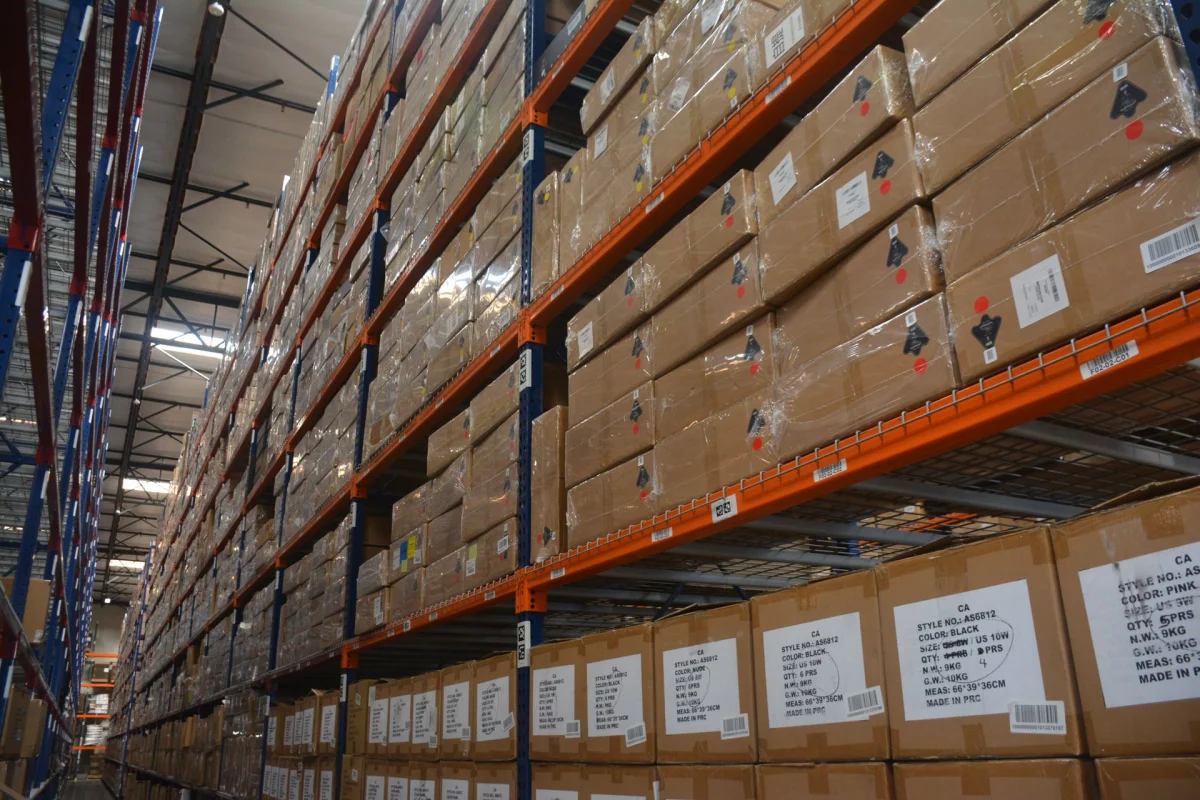
Inventory costs build up while products wait to sell: warehouse space, handling labor, insurance and money tied up in stock all contribute. A third-party logistics provider (3PL) can help brands keep those costs in check by improving inventory visibility, organizing warehouse work and matching stock placement to customer demand. The savings depend on the business’s inventory levels, service requirements and the provider’s pricing.
For growing retail and ecommerce brands, the practical question is not simply how much warehouse space is available. It’s whether the business can see what it holds, identify stock that is moving slowly and replenish products with enough lead time to meet orders without carrying more inventory than needed. A 3PL can supply systems and operating capacity to support those decisions, but the brand still needs a sound demand and replenishment process.
Start with a clear view of stock
Reliable inventory information shows what is available, where it is stored and how stock moves through receiving and fulfillment. Without that view, teams may have trouble spotting excess or slow-moving products, and replenishment decisions can rely on incomplete information. That can leave a business holding more stock than demand calls for or make it harder to plan what to send to a warehouse.
Barrett Distribution provides customers with web-based access to inventory information, inbound and outbound orders, reports and operational dashboards. These tools can give brands a shared view of stock and warehouse activity to inform inventory and distribution decisions. The value comes from using that information in regular planning: reviewing product movement, checking inbound orders and adjusting replenishment decisions as conditions change.
Visibility does not by itself reduce the number of units a company owns. It can, however, make it easier to identify where stock is sitting and which products warrant attention. For a business with a large catalog or seasonal demand, that distinction matters: a single total inventory figure may conceal products with very different sales patterns and storage needs.
Balance warehouse reach against stock needs
Warehouse location affects both inventory placement and transportation expense. A centrally located facility may simplify stock control by keeping more products together. Multiple facilities can put goods closer to customers and support distribution across a wider area, but splitting stock can also raise the amount a business needs to keep on hand. Each location needs enough inventory to serve its orders, and those separate quantities can add up.
Barrett’s national warehouse network gives brands options to consider when assessing where to position products. The decision can take customer demand, transportation requirements and growth plans into account. The right arrangement depends on the company’s order patterns and the service it needs; adding locations alone does not guarantee lower holding costs.
For shippers evaluating a distribution plan, the useful comparison is between the stock required under different warehouse arrangements and the transportation needs each arrangement serves. A wider network may improve proximity to customers, while a more concentrated setup may make inventory easier to manage. A 3PL can offer facility options and operating support, but brands need to weigh those factors against how much stock each plan requires.
Coordinate warehouse work and demand swings
Warehouse management systems coordinate tasks such as receiving, storage, picking, packing and shipping. Barrett’s WMS capabilities include real-time tasking, customer-specific processing and flexible radio-frequency technology. Its analytics tools support operational reporting, labor planning and productivity measurement. Those functions help teams track warehouse activity and find opportunities to improve how work is carried out.
More efficient warehouse processes can affect the cost of handling and managing inventory, while reporting can help managers understand how labor and productivity are performing. The operational detail matters: receiving, locating, picking and shipping stock each involve work that needs to be coordinated. Technology can help organize these steps, though the source provides no savings figures or quantified results.
Seasonal peaks, promotions and product launches can change both inventory volumes and warehouse workload. A business may need additional capacity or labor during a busy period, then face lower activity when demand eases. A 3PL can support planning for these shifts through warehousing, labor planning, inventory management and scalable fulfillment processes. That flexibility can help a brand respond to changing requirements without treating peak-period needs as the permanent operating level.
Assess the full operating fit
Storage capacity is only one part of choosing an inventory management 3PL. Brands can also assess inventory visibility, warehouse technology, operational reporting, transportation management, omnichannel fulfillment and experience handling seasonal demand. These capabilities matter because inventory decisions connect warehouse work with distribution and order fulfillment.
Barrett combines warehousing, inventory visibility, WMS technology, operational reporting and omnichannel fulfillment within its logistics services. Whether outsourcing lowers a brand’s costs depends on its stock levels, service requirements and the provider’s pricing structure. Storage, capital tied up in products, insurance, handling and obsolescence can all contribute significantly, and the largest expense varies from one business to another.
For brands weighing a 3PL, the practical takeaway is to examine how the provider’s information, facilities and processes fit the company’s demand patterns. Better visibility can help teams find excess stock; warehouse placement can change the balance between reach and inventory needs; and coordinated operations can support seasonal fluctuations. The next step is to compare those capabilities with the stock and service levels the business actually needs.