Friday, October 9, 2026 · Ocean Shipping & Ports
How to Compare 3PL Quotes Beyond the Per-Order Price
Noted by Thomas Garcia · 381 reads
Low storage and handling rates can hide added costs across transport, order processing and special requirements. Compare the full operation before choosing a 3PL.
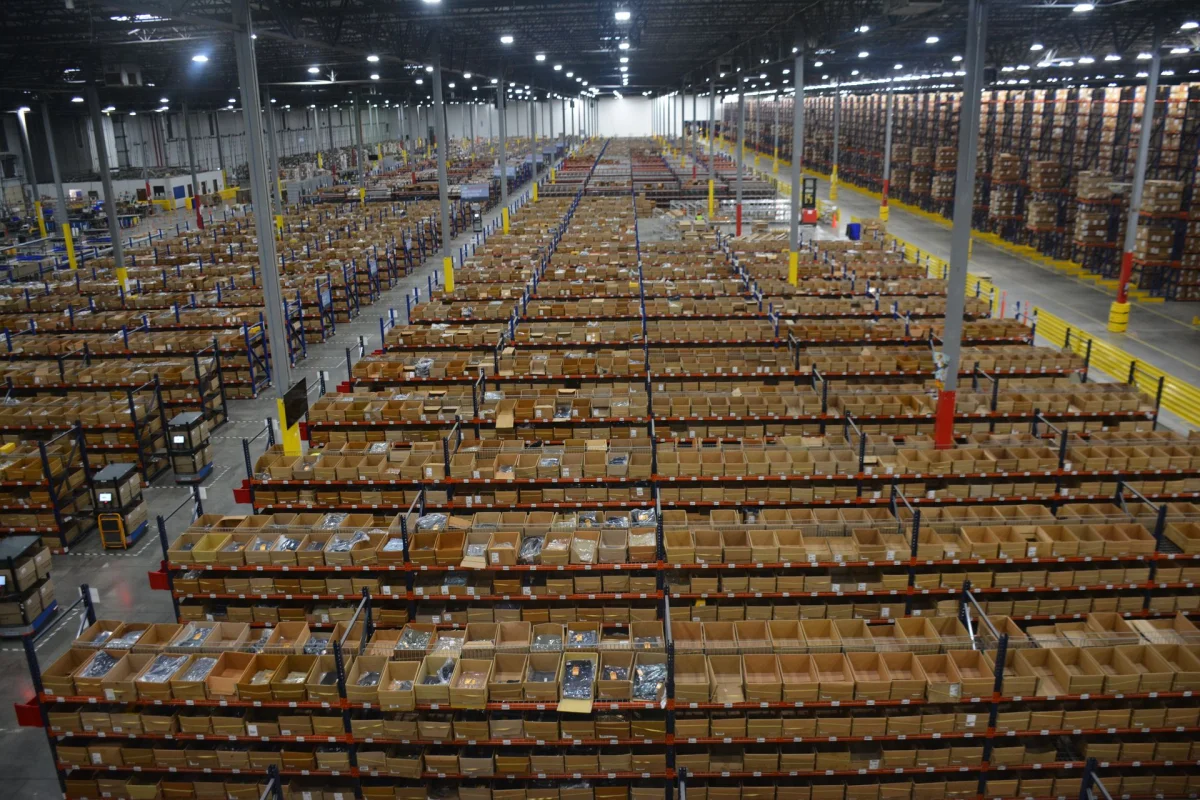
A low 3PL quote can reduce a brand’s expected fulfillment bill and still leave it paying more once orders begin moving. The difference often comes from costs that a headline rate doesn’t show: transportation to and from the warehouse, special handling, changing order patterns and the work needed to meet retailer requirements. Evaluating a provider means looking at how its pricing and capabilities fit the business as a whole.
That’s the warning from Dan Klenkar of Barrett Distribution Centers, who cautions against selecting a provider on price alone. “Anyone who typically chooses to pick the lowest cost provider is gonna be making a change before they know it because they didn't dig into all the details.” His point is practical: a quote is a starting point for examining the service, assumptions and operating limits behind the numbers.
Compare the assumptions behind each quote
Storage and handling rates are useful, but they don’t describe the full cost of fulfillment. Providers may structure their prices differently, and a comparison can be misleading if each proposal assumes a different order mix, volume or level of service. A brand should establish what work each quoted rate covers and what situations may trigger added charges.
For example, a warehouse might offer a low storage rate while charging separately for specialized handling. Another proposal may appear more expensive but include work that the first provider bills as an extra. Seasonal changes can also affect the comparison: the way a provider prices fluctuations matters when the business has periods of heavier or lighter activity. The source does not identify specific fees or rate schedules, so brands need to ask each provider to explain its own terms.
The same review should cover the provider’s experience with the brand’s operational needs. A warehouse that has limited experience with complex retailer requirements may not be the right fit, even if its basic rates look attractive. Questions about how the provider handles those requirements can reveal whether the quoted service matches the actual work involved.
Follow the costs beyond the warehouse
Klenkar urges brands to assess “the entire supply chain from source to delivery,” rather than judging a 3PL by a single warehouse expense. That means considering how the facility fits into the movement of goods, from inbound transportation and storage through order processing and final delivery.
Location illustrates why that broader view matters. A warehouse with inexpensive storage may sit farther from the places goods need to go. Longer transportation distances could erode the savings on the warehouse invoice. That possibility doesn’t establish what any particular provider’s total cost will be; it shows why facility location and transportation assumptions belong in the comparison.
Brands can make the review more useful by tracing the expected flow of inventory and orders. Where will goods enter the network? What work will take place at the facility? How will orders move from there to their destinations? The answers help teams consider whether a low rate in one part of the process could shift expense or complexity elsewhere. A quote that describes only storage and handling leaves those connections harder to assess.
Ask for clear pricing before operations begin
Pricing transparency is a core part of a working 3PL relationship. A reliable provider should explain its pricing, understand the brand’s order patterns and identify potential costs before they appear on an invoice. Clear expectations give both sides a better basis for discussing the service and comparing proposals.
That conversation should cover the provider’s understanding of the brand’s needs as well as the amounts on the quote. If the provider doesn’t yet understand order patterns or retailer requirements, its estimate may not capture the work the operation will demand. Discussing those details early can help expose gaps between the proposed service and the business’s day-to-day needs.
Once inventory has been transferred and fulfillment is underway, changing providers can involve more than revisiting a quote. The brand has already placed stock within an operating setup, and limitations in the original fit may be harder to address than they were during selection. The source gives no figures for the cost or duration of a transition, but it makes the timing clear: scrutinize the details before the move begins.
Evaluate the people and the facility
Price deserves careful attention alongside service quality, industry experience, communication and long-term compatibility. Meeting the operations team and visiting the facility can show a brand more about the prospective relationship than a proposal alone. Those discussions give both sides a chance to examine the work involved and consider whether the provider understands the business.
Brands should also discuss future distribution needs as part of the selection process. The question is not only whether a provider can handle the operation represented in today’s quote, but whether the proposed relationship makes sense as the business’s requirements change. The source does not promise that any provider can accommodate growth; it frames future needs as something to discuss before choosing a partner.
A useful comparison therefore joins the financial terms to the operating plan: what the provider will handle, how the warehouse fits into the route from source to delivery, and which costs could arise under the brand’s actual order patterns. The least expensive proposal may lower costs at the outset. A clear, well-matched service gives the brand a stronger basis for managing fulfillment over time.
Barrett Distribution Centers invites businesses to start a conversation about their fulfillment needs.