Thursday, October 8, 2026 · Ocean Shipping & Ports
Barrett’s One Call Resolution Puts 3PL Follow-Through to the Test
Noted by Richard Martinez · 628 reads
Barrett says more than 200 employees are trained to take ownership of customer issues, with feedback tracked until concerns are addressed.
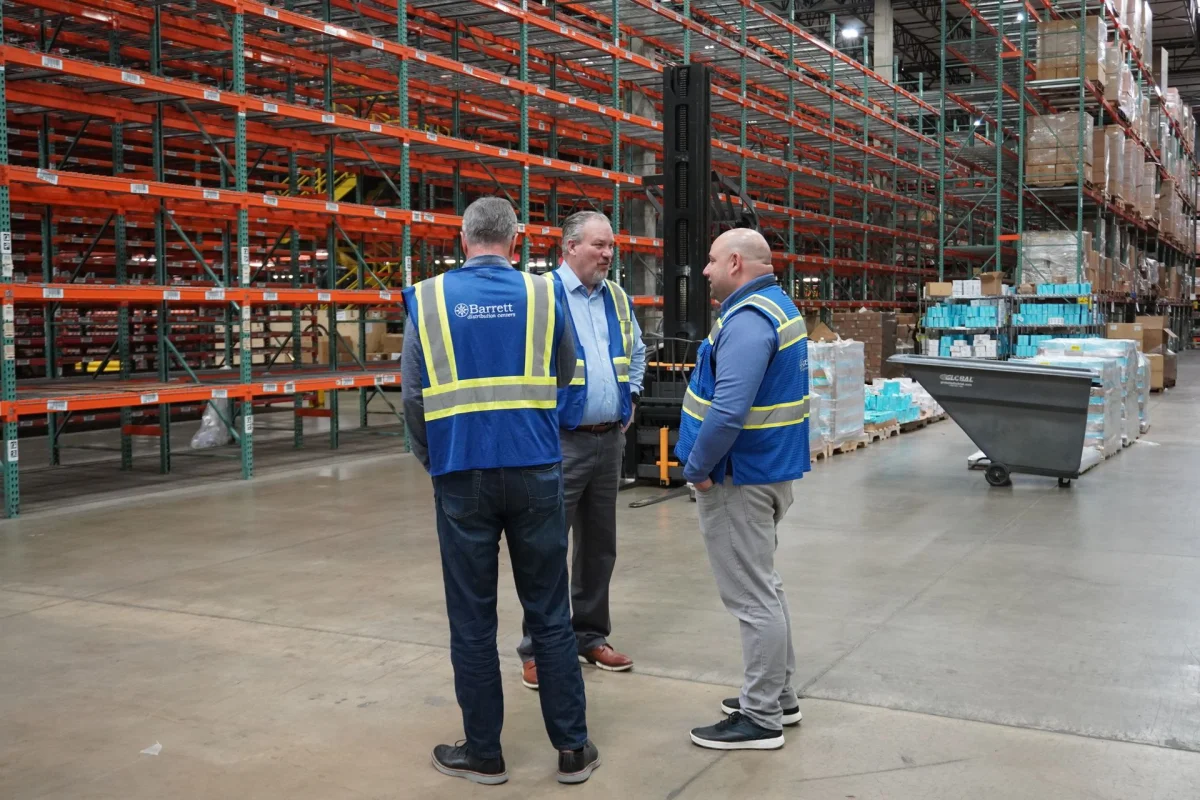
For a brand relying on a third-party logistics provider, a service issue can consume more time than the operational problem itself. A shipment needs clarification, an order has an inconsistency, or a customer concern calls for investigation. The provider’s response then determines whether the brand can get back to its work or must keep chasing updates.
Barrett Distribution Centers calls its approach to that responsibility One Call Resolution. The principle is straightforward: customers should be able to raise an issue once and trust Barrett to take ownership of the work needed to pursue an answer. It doesn’t promise that every problem will be fixed immediately. Some require investigation or coordination. It sets out who is responsible for keeping the issue moving.
One contact should be enough to start the work
Repeatedly explaining the same problem to different people puts the customer in charge of managing the response. Each additional email or conversation adds a task, often while the customer is also handling merchandising, product development, or other business needs. For brands entrusting inventory and customer relationships to a fulfillment provider, that extra work can make a small operational concern harder to resolve.
Adam Robertson, Barrett’s vice president of customer experience, describes the expectation this way: “When a customer reaches out to us, they only need to reach out once and they know we will own the issue.”
Ownership doesn’t mean that a customer is excluded from decisions or that no further information will be needed. It means the provider takes responsibility for pursuing the resolution and maintaining contact as the work proceeds. The customer may still need to explain what happened or help determine an acceptable outcome, but shouldn’t have to repeatedly locate the people responsible for investigating it.
That distinction matters in fulfillment, where a concern can involve more than the person who first receives it. An inventory discrepancy, an unexpected request, or an integration issue may call for input from warehouse, supervisory, or technology teams. Acknowledging the message is only the first step; the service standard depends on what happens after it reaches the right people.
Accountability reaches beyond the support desk
Barrett says it has trained more than 200 employees in the One Call Resolution philosophy. Extending the approach across the workforce reflects how fulfillment performance is produced: people in different roles can spot an issue, supply information, or help move a response forward. Customer experience therefore depends on coordination across the operation, as well as on the person who speaks directly with the customer.
Robertson says the goal is for customers to see Barrett as “not only responsive, but we're extremely accountable.” The difference is practical. A quick acknowledgment confirms that someone has received the concern; accountability means someone continues to coordinate the work, keep the issue in view, and stay involved until there is an outcome.
For customers, that makes the handoff between teams a useful test of the service promise. If an issue moves from an account contact to warehouse staff or technology specialists, the customer shouldn’t have to rebuild the history at every step. A provider that takes ownership can keep those internal connections working while giving the customer a clear route for updates.
Feedback needs a route to action
Barrett also describes a process for using customer feedback beyond the initial conversation. According to Robertson, the company surveys customers twice a year and reviews the findings with management and operational teams. When feedback identifies a concern, Barrett documents it as a case and keeps it open until the issue has been addressed.
A request for improved reporting, for example, becomes an item for follow-through rather than a note filed away after a survey. The source doesn’t specify a standard completion time or describe a particular reporting change. The stated process is about tracking the concern and keeping it active while the company works on it.
This approach treats service needs as something that can change as a brand adds products, expands distribution channels, or encounters new demands. Regular surveys provide one way to hear those concerns; documented cases give them a path into operational follow-up. The value depends on whether the teams responsible can act on what customers report.
Service belongs in a 3PL evaluation
Fulfillment decisions still depend on execution, including accuracy and consistency. Warehouse capacity, technology, and price matter when a brand assesses a provider. Barrett’s account makes a case for examining another part of the operation too: how the provider handles a problem that requires several people to resolve.
Brands can ask who owns a concern after it is raised, how customers receive updates when an answer takes investigation, and how feedback turns into tracked work. Those questions help reveal whether a service commitment describes a repeatable process or only a quick response at the point of contact.
Barrett’s model ties customer service to ownership across the operation and to a feedback process that keeps concerns open until addressed. The test for any fulfillment partner is what happens when normal execution gives way to a problem: a customer should be able to report it, understand who is following up, and spend less time pursuing the same answer.


