Wednesday, October 7, 2026 · Ocean Shipping & Ports
Why Baltimore Port Warehousing Can Simplify Import Fulfillment
Noted by Christopher Miller · 567 reads
A warehouse within 10 miles of Baltimore’s port can connect imported inventory with retail, ecommerce and other distribution needs.
For importers using the Port of Baltimore, the warehouse that receives their goods can shape what happens after arrival. A nearby facility may shorten the handoff from port transport to domestic fulfillment, but distance alone won’t determine whether products are ready for retail shelves, online orders or another stop in a distribution network.
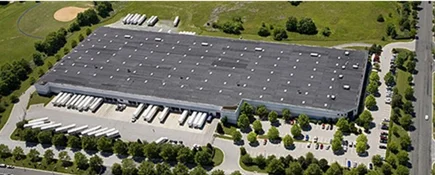
Barrett Distribution Centers’ Curtis Bay facility is within 10 miles of the port. That location gives brands a way to move inventory from international transport into fulfillment operations near its point of entry. The facility supports retail distribution, business to business orders, ecommerce and omnichannel operations, along with services such as labeling, pre-ticketing, palletization and cross-docking.
Those capabilities matter because an arriving container may hold products bound for several channels. Some items may need preparation for a retailer; others may be picked and packed for individual online customers. The warehouse has to receive and sort inventory, then prepare each portion for its next destination. When those activities happen at the same facility, the transition from arrival to distribution can involve fewer separate steps.
Port arrival is one link in the journey
Imported products have already traveled a long way by the time they reach Baltimore, but arrival doesn’t put them within reach of customers. Inventory still needs to move from the port, enter a warehouse, become available for orders and continue toward retailers or delivery addresses.
Each additional leg or handoff adds coordination work. A brand has to manage the movement between facilities and make sure the right goods are available for the channel that needs them. A warehouse close to the port can reduce the distance between arrival and storage, while fulfillment services at that location can handle work needed before goods move on.
For Horseware, an Irish equestrian brand that works with Barrett for its U.S. fulfillment, the warehouse’s location was a significant factor. “Barrett’s strategic Mid-Atlantic warehouse location, near the Port of Baltimore, is pivotal for us,” said Conor Farrelly, the company’s logistics manager.
Location was part of a broader fit: imported inventory can have multiple destinations, so the operation needs to support more than one order type. Retail replenishment, business to business shipments and direct ecommerce orders can require different handling, even when the products began in the same container.
One inventory pool, several possible destinations
Consider a shipment unloaded in Baltimore. A share of its contents might be allocated to a retail account, while another share is held for ecommerce demand. Some products could need labels or price tickets before shipment. Others might need to be palletized for a retail delivery or cross-docked for onward movement.
In that situation, the warehouse does more than store cartons. It receives inventory, performs any needed preparation and directs goods into the appropriate fulfillment flow. Its ability to handle several channels can help a brand manage inventory from a shared arrival point as demand and orders diverge.
This flexibility may matter as a company’s sales mix changes. A business that initially serves customers through one channel may later add retail accounts or grow its online business. That can bring new handling requirements and create more destinations for goods entering through the same port.
A warehouse that supports retail, ecommerce and other fulfillment work can give the brand a place to manage those needs after import. The practical question is whether its services match the products and order flows the business actually has, including any preparation required before goods leave the facility.
Assess the operation as well as the address
Port proximity is easy to compare on a map, and it can matter when planning the movement from a terminal to a warehouse. But the mileage figure tells only part of the story. A nearby building is useful when its operation can receive the inventory and support the work required to send it onward.
For importers reviewing warehouse options around Baltimore, useful questions include: What can happen to the products after receipt? Can the facility handle the channels those products serve? Do items need labeling, pre-ticketing, palletization or cross-docking before distribution? Does the location make sense for the markets and customers the inventory ultimately needs to reach?
These questions make warehouse selection part of fulfillment planning, not simply a real estate choice. The relevant comparison includes the distance from port, the services available inside the facility and the fit between those services and a brand’s distribution needs.
For companies importing through Baltimore, a facility within 10 miles of the port offers a close connection between arrival and domestic fulfillment. Its usefulness depends on how well the operation carries inventory through the next stages, from receiving and preparation to retail distribution or an individual customer’s order.


