Wednesday, October 7, 2026 · Ocean Shipping & Ports
Ecommerce Fulfillment Scale Depends on Flexible Warehousing, Labor and Technology
Noted by Michael Rodriguez · 833 reads
As orders and sales channels grow, ecommerce brands need adaptable warehouse processes, inventory visibility and systems that support both direct and retail fulfillment.
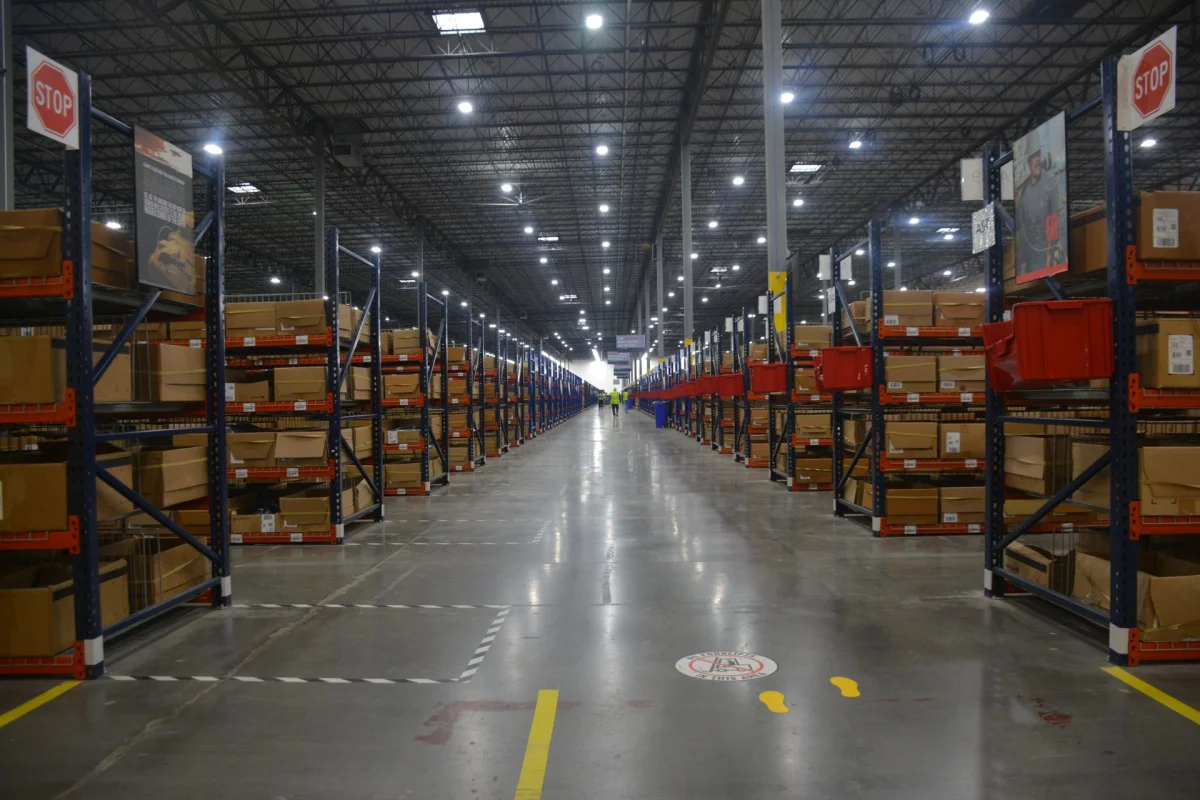
Scaling ecommerce fulfillment means coordinating more than a higher count of daily orders. Brands also have to manage expanding inventories, additional sales channels, changing labor needs and customer expectations while keeping orders accurate. A 3PL can provide warehouse space, technology, transportation and operating expertise as those requirements grow.
The central challenge is keeping the fulfillment operation flexible. A setup that works for a smaller direct-to-consumer business may become harder to manage as order volume rises or the brand adds marketplace, wholesale and retail sales. The choice is whether to build each capability internally or use a logistics provider with infrastructure and services that can accommodate a broader operation.
Growth puts pressure on warehouse operations
Fulfillment gets harder to scale when demand grows faster than the processes and resources supporting it. More orders can mean greater requirements for warehouse space, staffing, inventory control, technology, transportation and returns. Each element affects the others: inventory needs to be visible, warehouse work has to be coordinated, and outbound orders need to reach the correct channel in the required form.
Seasonal peaks, promotions and product launches make planning more difficult because they can produce sharp changes in workload. A process designed around typical demand may not have enough flexibility when order volume rises. Brands need to plan inventory, labor and warehouse workflows together, then adjust those plans as demand changes.
That doesn’t mean every fluctuation calls for a wholesale redesign. It means the operation needs processes that can expand or contract with its workload. A 3PL may give a growing brand access to labor, space and fulfillment capabilities without requiring it to build each resource itself.
Technology connects inventory, orders and work
As a fulfillment operation grows, teams need reliable ways to see what inventory is available and coordinate work across orders and locations. Warehouse technology can support inventory management and fulfillment workflows, while reporting can help operators review performance and plan work.
Barrett’s warehouse management system capabilities include customer-specific processing, real-time tasking and flexible radio-frequency functionality. The company also provides customers with secure online access to inventory and item information, inbound and outbound orders, reports and operational dashboards. These tools give customers a way to monitor activity and access operating information as fulfillment needs change.
Visibility is especially relevant when a brand sells through several channels. Teams need to understand what stock is available and what orders are in process to coordinate fulfillment. The source describes technology and reporting capabilities, but does not specify service-level targets or performance results; brands assessing a provider will need to establish what information and operating measures matter to them.
Peak demand requires coordinated planning
Preparing for a busy period involves more than adding labor at the last minute. Inventory, warehouse workflows and staffing all shape whether an operation can respond to a demand surge. Barrett’s analytics capabilities include labor planning and productivity measurement, which can support operational planning as requirements shift.
For brands, the practical question is how well their fulfillment plan can handle both higher and lower volumes. Promotions and launches may create temporary spikes, while the regular workload continues. Planning around inventory and labor together can help teams adjust operations without treating every peak as a new fulfillment model.
Adding retail and wholesale changes fulfillment needs
When a brand expands beyond direct-to-consumer sales, fulfillment may need to support different order types within the same logistics operation. Retail and wholesale orders can involve preparation steps such as labeling, pre-ticketing and palletization, as well as advance ship notice management and other retailer requirements.
An omnichannel 3PL can support B2C and B2B fulfillment, allowing a brand to use different workflows as its sales mix develops. Barrett’s services include omnichannel fulfillment, pick and pack, warehousing and distribution, transportation management, retail compliance and value-added services. The specific fit depends on the brand’s order channels and handling requirements.
What to assess in a 3PL
Brands evaluating a provider should consider where the operation may need to expand, not just the order volume it handles today. Relevant capabilities include flexible warehousing, inventory visibility, B2C and B2B fulfillment, technology, transportation management, returns support, value-added services and operational reporting.
A brand may consider a 3PL when rising order volumes, inventory levels, labor needs or warehouse requirements make internal fulfillment difficult to manage. The same may apply when it adds sales channels that require different handling. For seasonal demand, a provider’s planning, labor management and processes are part of the assessment; for retail expansion, brands should check whether the provider can support the preparation steps their orders require.
Barrett provides B2C and B2B omnichannel fulfillment, along with warehousing, transportation management, retail compliance, value-added services, technology and reporting. For ecommerce operators, the key decision is whether a provider’s infrastructure and workflows can adapt as products, volumes and channels change. That flexibility is what makes growth manageable inside the warehouse and across outbound fulfillment.


