Tuesday, October 6, 2026 · Ocean Shipping & Ports
Holiday Fulfillment Planning: Keep Every Sales Channel Moving During Peak
Noted by John Jones · 916 reads
Holiday surges can strain retail, wholesale and ecommerce at once. Full business visibility and early communication help fulfillment teams respond.
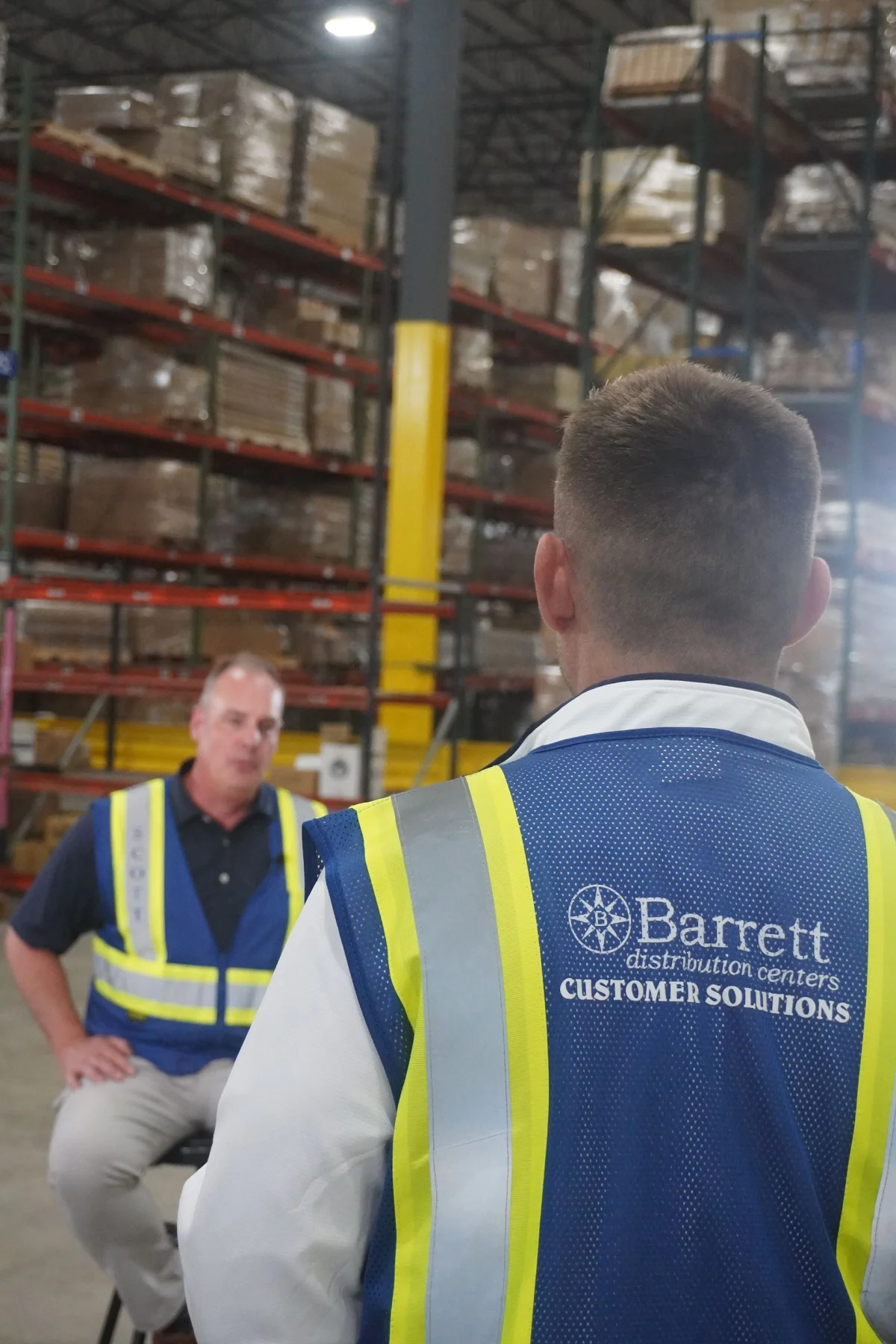
A holiday surge can create pressure across an entire fulfillment operation, even when the forecast focuses on ecommerce. Retail commitments still need attention, inventory keeps arriving, and special projects may continue while consumer orders accelerate. The planning challenge is to handle the spike without losing sight of the work already in motion.
That calls for a view of the business across the year and across its sales channels. Monthly averages can obscure sharp changes in demand, while a forecast by itself may not explain what is driving the expected volume. Fulfillment teams need to know when work will arrive, where it comes from and what else the operation must handle at the same time.
Plan for the work around the peak
Holiday demand rarely pauses receiving or clears other obligations from the schedule. Promotions can increase orders as seasonal inventory arrives, retail activity continues and outgoing shipments move at a different pace. Personalized orders may also need extra handling at a time when speed matters more.
A brand that averages 5,000 monthly orders over a year could still have very different volumes from month to month. That example, cited in the source, illustrates why an annual average can leave important planning details hidden. The mix of promotions, inventory arrivals, retailer activity and sales channels shapes the demands on the operation.
Harrison Smith, Director of Commercial Revenue at Barrett Distribution Centers, says brands should examine both yearly patterns and peaks within the year. “It’s looking at yearly trends, looking at within the year, what does that look like? Do you have those peaks?”
For fulfillment planning, that means sharing more than a target order count. A partner that understands the wider business can make better sense of when volumes will rise, which channels will generate the work and what other responsibilities will coincide with the surge. Smith describes his approach this way: “When I work with brands, I wanna understand everything about the business.”
More channels add different operating demands
Growth can turn a relatively simple direct to consumer operation into a more complex mix. Retail accounts may emerge, business to business volume may grow, marketplaces may become relevant, and new products can bring different handling needs. One item can appear in orders across channels, but the work required to fulfill those orders may differ.
That distinction matters most when volume is high and there is little room to learn new requirements on the fly. A fulfillment strategy that works for consumer parcels may not cover the needs of a major retailer order. Experience across channels can help a brand accommodate new opportunities without rebuilding its approach each time its business changes.
Scott Wilkins, who has worked with Barrett customers, has described this progression and the value of an operation that can support multiple channels. He warns that without suitable experience, “brands can get into trouble really, really quickly.” The practical planning question is whether the operation understands each channel’s requirements before peak volume puts those processes under pressure.
Share what is driving the forecast
A forecast gives fulfillment teams a starting point, but its usefulness depends on the information behind it. Brands should flag a major promotion, an anticipated retailer order during a busy week, a late inventory arrival or a product that is outperforming expectations. Early notice gives both sides more context for managing changes in the workload.
That communication also makes it easier to address problems plainly. Peak volume can magnify missed forecasts and operational mistakes; plans can change, and unexpected issues can emerge. Bryan Corbett of Barrett describes the relationship as one that depends on expertise, honesty and trust. “Sometimes the customer's not always right. And sometimes Barrett's not always right. Sometimes we make mistakes.”
His point is that reliability depends on how people handle those moments, not on an assumption that every plan will hold. “You show your expertise through your honesty and your trustworthiness. You can’t separate the two.” For brands and fulfillment teams, direct updates about changed expectations or errors can help them respond with a clearer picture of the work ahead.
Make growth manageable
Peak planning cannot make holiday demand perfectly predictable. It can give the operation more visibility into likely volumes, channel requirements and competing commitments, while keeping communication open as conditions change. That preparation matters whether a promotion performs as expected, a retailer opportunity adds work or demand rises faster than planned.
For brands, the concrete takeaway is to discuss the whole operating calendar with the fulfillment partner: seasonal sales activity, retail obligations, expected inventory, personalized orders and channel mix. For the partner, a forecast is more useful when it comes with the reasons behind it and timely updates as those assumptions shift.
Holiday volume may dominate attention, but the rest of the business continues to move. Planning around the full workload gives the operation a better chance to absorb the surge while keeping its other commitments in view.
Harrison Smith, Scott Wilkins and Bryan Corbett are referenced in the source article. For more information, visit Barrett Distribution Centers.