Tuesday, October 6, 2026 · Ocean Shipping & Ports
Omnichannel Apparel Fulfillment Connects DTC, Retail and Wholesale Orders
Noted by Christopher Johnson · 463 reads
Apparel brands need shared inventory visibility and channel-specific warehouse workflows to coordinate ecommerce, retail and wholesale fulfillment.
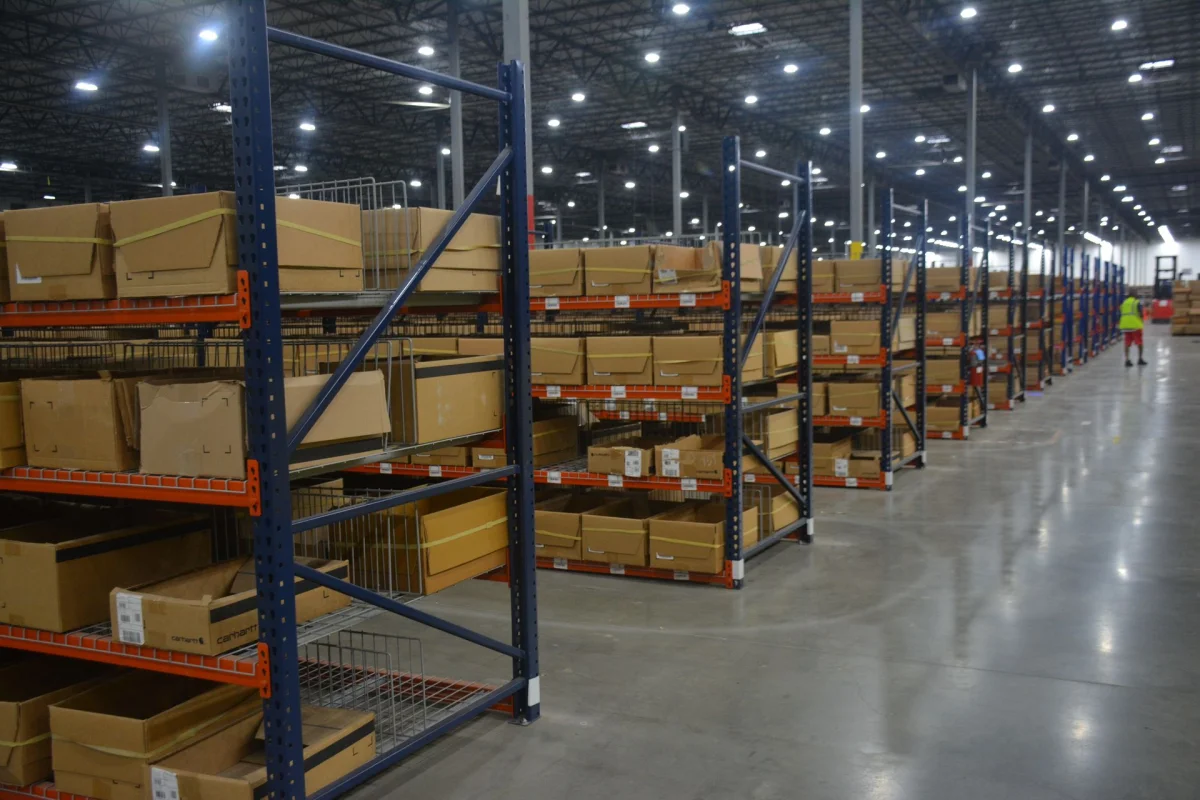
Apparel brands selling through ecommerce, marketplaces, retail accounts and distributors face a warehouse challenge: the same inventory may need to serve orders with very different handling requirements. Omnichannel fulfillment coordinates those orders within a broader operation, with workflows suited to each channel and visibility into inventory as it moves.
That coordination matters as brands add sales channels. A direct-to-consumer order may call for individual items packed for a shopper, while a retail shipment can require pre-ticketing, particular label placement, palletization or advance shipment notice (ASN) management. Treating every order alike can miss the preparation a channel requires. A coordinated operation gives warehouse teams a way to apply the right process to each order type.
One inventory base, different order workflows
A brand might sell a style through its own website, a marketplace and wholesale accounts at the same time. The fulfillment operation must account for those channels as orders arrive, while keeping an accurate view of what inventory is available. This is especially relevant in apparel, where products may be tracked across multiple items and order formats.
Omnichannel fulfillment does not mean every order follows one procedure. Instead, workflows can vary by destination and customer. A small consumer order may need item-level picking and packing. A retail order may involve larger quantities and channel-specific labeling or shipment preparation. The warehouse has to distinguish between those requirements while coordinating activity across the operation.
For brands, the practical aim is to connect channel demand with warehouse execution. Accurate inventory information helps teams process orders and gives the brand a clearer view of its operation. As the number of channels and orders grows, that view becomes more useful for understanding where inventory sits and how orders are progressing.
Retail preparation is part of fulfillment
Retail orders can require more than selecting merchandise and sending it out. Depending on the customer’s process, apparel may need pre-ticketing, specific labels and label placement, palletization, ASN management or other preparation. Those tasks need to fit into the warehouse workflow so the shipment is handled according to the requirements associated with that order.
Barrett provides B2B and B2C omnichannel fulfillment for consumer, distributor and retail customers. Its listed services include retail compliance, pre-ticketing, labeling and label placement, palletization, ASN management and other value-added services. For an apparel brand, having these tasks within the fulfillment operation can connect retail preparation with the handling of the order itself.
The same provider can also support direct-to-consumer and business-to-business orders. That lets a brand coordinate individual consumer shipments and larger retail or distributor orders within a broader logistics operation, while retaining different processes for each. Barrett identifies Apparel & Footwear as one of its core industry verticals and provides both B2B and B2C fulfillment.
Technology supports inventory and warehouse coordination
Technology connects the information used to manage inventory and orders with the tasks performed in the warehouse. Barrett provides customers secure, web-based access to inventory, item master information, inbound and outbound orders, reporting and operational dashboards. Those tools give customers and operations teams access to information about activity across the fulfillment process.
Its warehouse management capabilities include customer-specific processing, multi-client functionality, real-time tasking and flexible radio-frequency (RF) technology. The broader technology environment includes transportation management, automation, analytics and customer reporting. Together, these capabilities support different workflows and provide information used to manage warehouse activity and transportation.
For apparel brands, the value of such systems is tied to operational fit: inventory, order details and processing requirements need to work together across sales channels. As products, orders and channels multiply, clear information can help teams manage the added coordination involved. Technology supports that work, while the warehouse processes still need to reflect what each channel requires.
Choosing an omnichannel fulfillment provider
Brands evaluating a third-party logistics provider should consider whether it can handle their current channel mix and support additional requirements as the business changes. Relevant capabilities include B2B and direct-to-consumer fulfillment, inventory management, retail preparation, value-added services, returns, warehouse technology, reporting and transportation management.
Apparel experience matters because ecommerce, wholesale and retail orders can involve different warehouse processes even when they draw on the same brand inventory. A provider’s ability to describe how it handles those differences, and what inventory and order information customers can access, can help brands assess the fit.
The useful test is whether the operation can coordinate shared inventory while applying the right handling steps to each order. For apparel brands, that means looking at the full path from inventory visibility through picking, packing, retail preparation and transportation. A 3PL such as Barrett can bring B2B and B2C fulfillment, warehousing, retail services and transportation management into that coordinated operation.