Friday, October 2, 2026 · Ocean Shipping & Ports
How 3PL Operations Shape a Brand’s Customer Experience
Noted by Christopher Rodriguez · 494 reads
Fulfillment decisions carry a brand’s reputation. Barrett describes how operational continuity, employee ownership and personal service shape that experience.
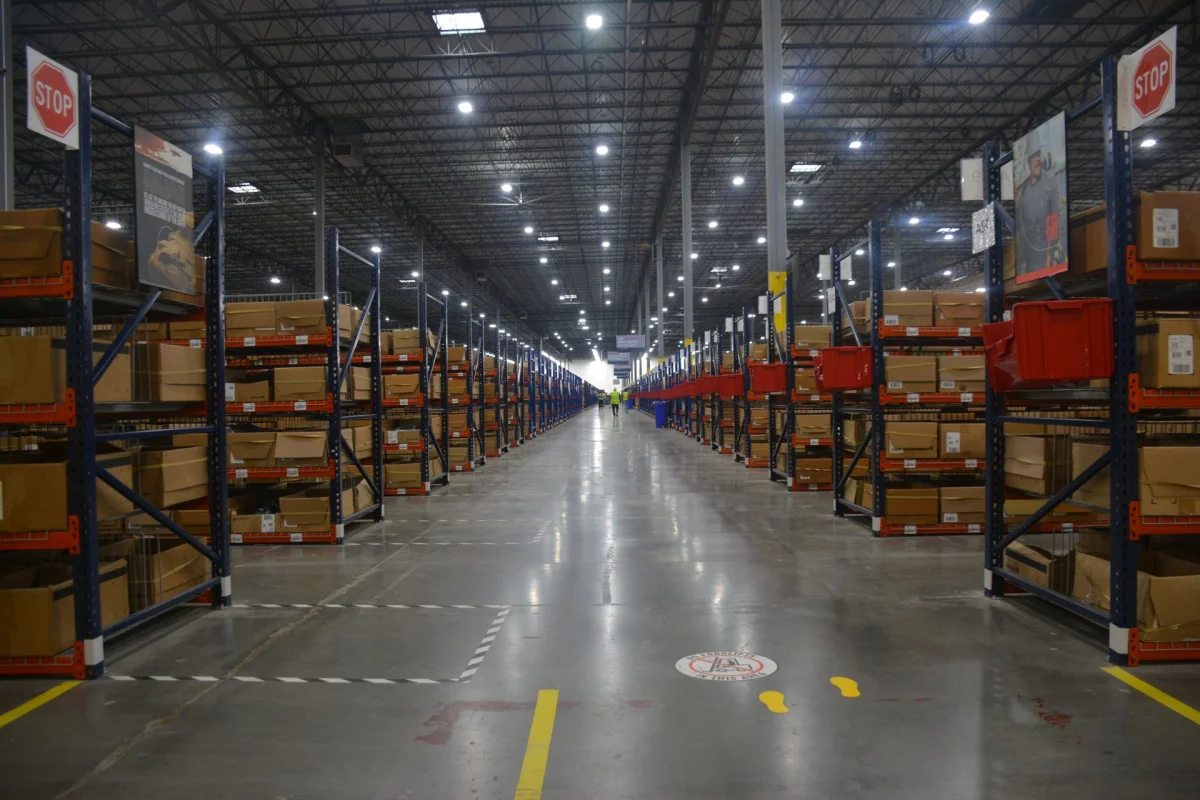
A shipment can leave a warehouse carrying more than a customer’s order. Its accuracy, presentation and delivery experience reflect on the brand that sold it, even when another company manages the work. That makes the relationship between a brand and its third-party logistics provider (3PL) an operational part of the customer experience, not simply a way to store inventory and ship orders.
Barrett Distribution Centers describes that relationship as acting like an extension of a customer’s brand. Katherine Wroth, who works with the company, says clients often tell her, “I feel like Barrett is an extension of our brand.” She says that is the outcome Barrett wants. The idea rests on whether the provider can keep pace with a customer’s business, whether warehouse employees understand the stakes of their decisions, and whether customers can reach people who know their operation.
One provider through changing channels
A company’s fulfillment needs can shift as it grows. Wroth describes customers that start with direct-to-consumer orders, add business-to-business distribution and later move toward an omnichannel model. Each step brings different order flows and operating requirements. A setup built around individual parcels may need to accommodate larger shipments to business customers as well, while an omnichannel operation has to support sales through multiple routes.
Keeping those stages under one provider can preserve continuity as the operation changes. Wroth says customers can stay with Barrett instead of moving among multiple 3PLs. For a shipper, that can mean fewer provider transitions as sales channels expand. It also places greater weight on the provider’s ability to adapt its processes and support the business as its order mix changes.
That capacity matters because a provider that fits a company’s current volume may not necessarily fit its next operating model. The relevant question is whether the relationship can accommodate new distribution requirements while keeping the work connected to the customer’s expectations. The source describes a progression from direct-to-consumer fulfillment to business-to-business distribution and omnichannel service; it does not specify timelines, volumes or the particular systems used to support those changes.
Employee decisions reach the customer
Warehouse processes matter, but people carry them out. William Johnson says Barrett encourages employees to approach decisions with an owner’s mindset: “Everybody in our building runs this as if they're the owner. So, we're always looking at it from a perspective, if this was my money, how would I spend it?” That framing connects everyday choices with the broader business rather than treating each task as isolated work.
Barrett’s participation in the Great Game of Business supports that approach through profit sharing and open-book financial practices, according to Johnson. The company uses those practices to give employees more visibility into its financial performance and involve them in the business’s results. The source does not give details about the profit-sharing formula or how financial information is shared. Its central point is that employees get more context for how their decisions fit into the operation.
Johnson also describes daily huddles and opportunities for employees to advance from hourly roles to lead positions and then to supervisor roles. Those routines and paths shape how a warehouse team works together. For customers, the practical test is how that culture shows up in fulfillment: whether staff understand the impact of their work, communicate when circumstances change and respond to problems with care.
Personal service at operating scale
Scott Hothem describes Barrett as a family-owned business and says he values its “family feeling.” He adds that customers can work with a family-owned company that is large enough to support a growing business in different locations. The article provides no specific facility count, geographic coverage or capacity figures, so the scale claim is qualitative. Still, Hothem’s description points to a balance that can matter to shippers: the ability to grow while retaining access to people who understand the customer’s operation.
That personal connection is part of the service experience, but it cannot replace reliable execution. Accuracy and consistency still depend on the work performed in the warehouse. Responsiveness depends on how teams handle questions and changing conditions. Systems and processes can support those outcomes, but they do not remove the need for people to make sound decisions and communicate clearly.
For a brand evaluating a 3PL, the useful question is how the provider will handle the business as its channels and requirements change. The answer should connect the provider’s approach to the customer’s actual operating needs: order types, fulfillment expectations, communication and plans for growth. Barrett’s account centers on continuity, employee ownership and personal relationships as parts of that fit.
The warehouse may be operated by a logistics provider, but the customer sees the service through the brand they chose. A 3PL becomes an extension of that brand when its people and processes consistently treat each order as part of the customer’s promise.


