Friday, October 2, 2026 · Ocean Shipping & Ports
How 3PL Returns Processing Connects Reverse Logistics With Fulfillment
Noted by Joseph Davis · 814 reads
A 3PL can inspect returns, update inventory and route products according to brand procedures, keeping reverse logistics connected to fulfillment.
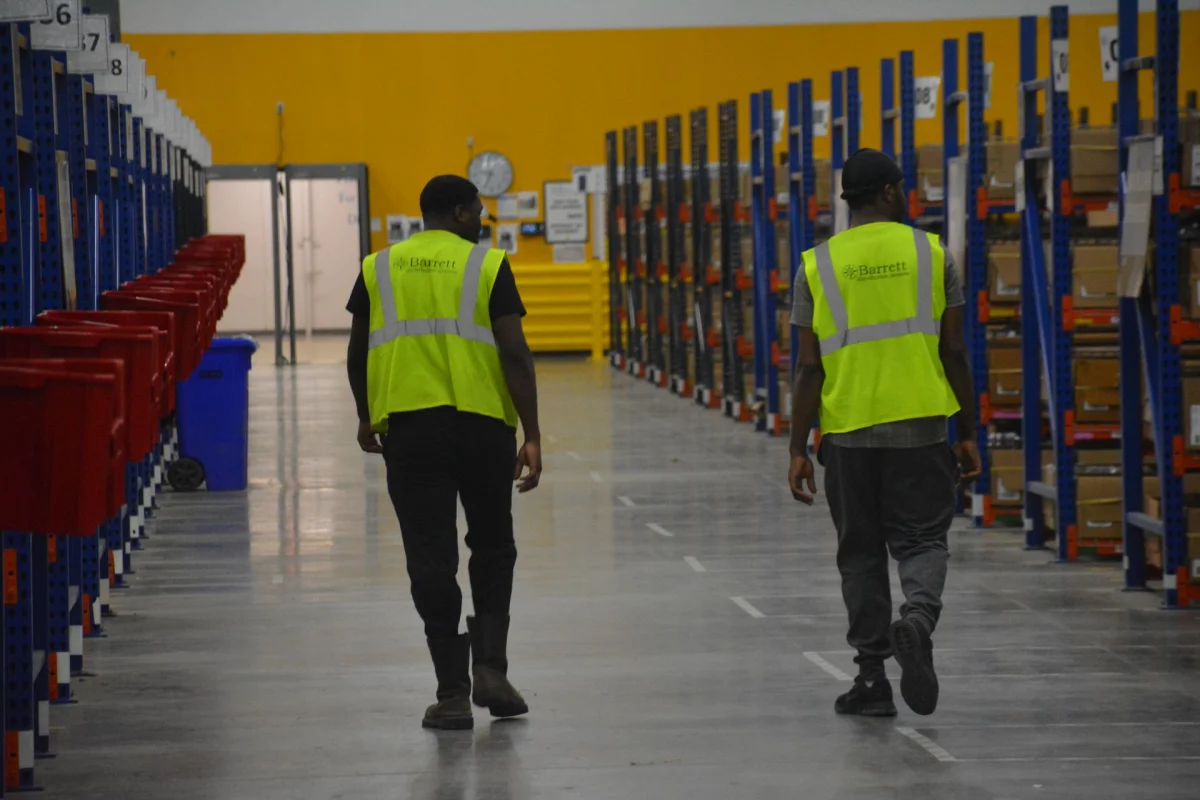
Returns processing works best when returned goods stay visible as they move through the warehouse. A third-party logistics provider (3PL) can receive products, assess them under the brand’s procedures and record the next step, linking reverse logistics with the inventory and fulfillment operation already handling outbound orders.
The outcome depends on the product, its condition, the reason for its return and the brand’s requirements. A returned item might need identification, inspection, damage processing, an inventory update or another defined disposition. The 3PL’s role is to apply the agreed process consistently and make the product’s status clear to the customer.
Set the disposition rules before returns arrive
A warehouse needs instructions for deciding what happens to each type of return. Those procedures can specify how products are identified and evaluated, which conditions require additional handling, and whether an item should be considered available inventory. The source does not describe a single process that applies to every product; the brand’s requirements and the item’s condition shape the decision.
That distinction matters for inventory accuracy. A product that has arrived back at the facility may still need evaluation before its status is reflected as available. If return handling and inventory records are disconnected, teams may have an incomplete view of stock. Defined steps give warehouse staff a repeatable way to process goods and give the brand a clearer record of where returned merchandise stands.
Brands and their 3PL should agree on these procedures in advance and document them in a form warehouse teams can follow. As product catalogs grow or return volumes change, those instructions may need review. The practical goal is to make the intended handling clear for different products and conditions, so decisions do not depend on informal assumptions at the receiving area.
Keep returned goods visible in warehouse systems
Returns are closely tied to inventory visibility. A 3PL’s warehouse management system (WMS) can support customer-specific processing, while reporting and access to operational information help brands monitor activity across the operation. The information described for Barrett includes inventory, item master data, inbound and outbound orders, and operational reporting, available through secure web-based customer access.
These views give brands information about warehouse activity as inventory moves through the facility. Item data can help identify products, while inventory records show stock status and order information gives a view of inbound and outbound activity. For returns, the useful question is whether the operation can connect the returned item to the customer’s procedures and maintain visibility as it is processed.
Technology supports the workflow, but it does not replace clear operating instructions. A system can reflect a disposition or inventory change only if the process and customer requirements are understood. Brands should therefore assess both the system’s visibility and the 3PL’s ability to configure warehouse handling around their needs.
Coordinate reverse logistics across sales channels
Returns can intersect with more than ecommerce fulfillment. A brand may also ship to retailers, distributors and other business customers, with different requirements for each channel. The same warehouse operation may need to handle direct-to-consumer orders alongside business-to-business fulfillment, while applying the relevant procedures to returned goods.
Connecting those activities can give brands a more coordinated view of products moving in both directions. It also places greater weight on clear customer-specific workflows: warehouse staff need to know which instructions apply, and brands need reporting that helps them follow inventory and order activity. Barrett describes its operation as supporting B2B and B2C omnichannel fulfillment, with returns and damage recoup among its value-added capabilities.
Assess the 3PL’s returns capabilities
When reviewing a potential returns partner, brands can ask how the provider receives returned items, handles inspection and damage processing, records inventory changes, and reports operational activity. They should also determine how customer-specific instructions are maintained and how the provider supports different fulfillment channels. Clear communication helps both sides address process questions as product ranges and operating needs change.
Other capabilities to consider include inventory management, reporting, damage recoup, omnichannel fulfillment and a process for improving warehouse operations over time. These are practical parts of a broader fulfillment relationship: returns need to fit the customer’s requirements and connect with the systems and workflows used for outbound orders.
Common questions about 3PL returns
What does 3PL returns management involve? The provider receives returned products and processes them according to the brand’s established procedures. Handling can include identifying and evaluating merchandise, updating inventory, processing damage or recording another agreed disposition.
Can returned products go back into inventory? Potentially. The decision depends on the product’s condition and the brand’s requirements, so teams need clear procedures for determining the appropriate status.
Can a 3PL handle damaged returns? A provider may support damage processing depending on its capabilities and the customer’s instructions. Barrett lists returns and damage recoup among its value-added services.
Can one 3PL manage outbound fulfillment and returns? An omnichannel provider can support both, connecting returns-related services with B2B and B2C fulfillment. The specific workflow depends on the customer’s operation and requirements.
For brands, the useful measure is whether returned products can be handled consistently and tracked alongside the rest of warehouse activity. A documented process, accurate inventory controls and accessible reporting give teams a practical basis for managing reverse logistics within their fulfillment operation.


