Thursday, October 1, 2026 · Ocean Shipping & Ports
Choosing a 3PL That Can Support Your Business as It Grows
Noted by James Garcia · 540 reads
A 3PL decision shapes more than today’s warehouse capacity. Katherine Wroth says brands should weigh timing, fit and room to scale.
Choosing a third-party logistics provider can solve an immediate problem: order volume is rising, warehouse space is tight, or fulfillment is taking staff time away from other parts of the business. But that first need may not describe what the company will require from its logistics operation several years later.
That longer view matters because growth can change a brand’s distribution needs. More orders, new sales channels and shifting customer expectations can put pressure on processes and facilities that once worked well. The provider that fits the operation today should also be able to support the business as its fulfillment requirements develop.
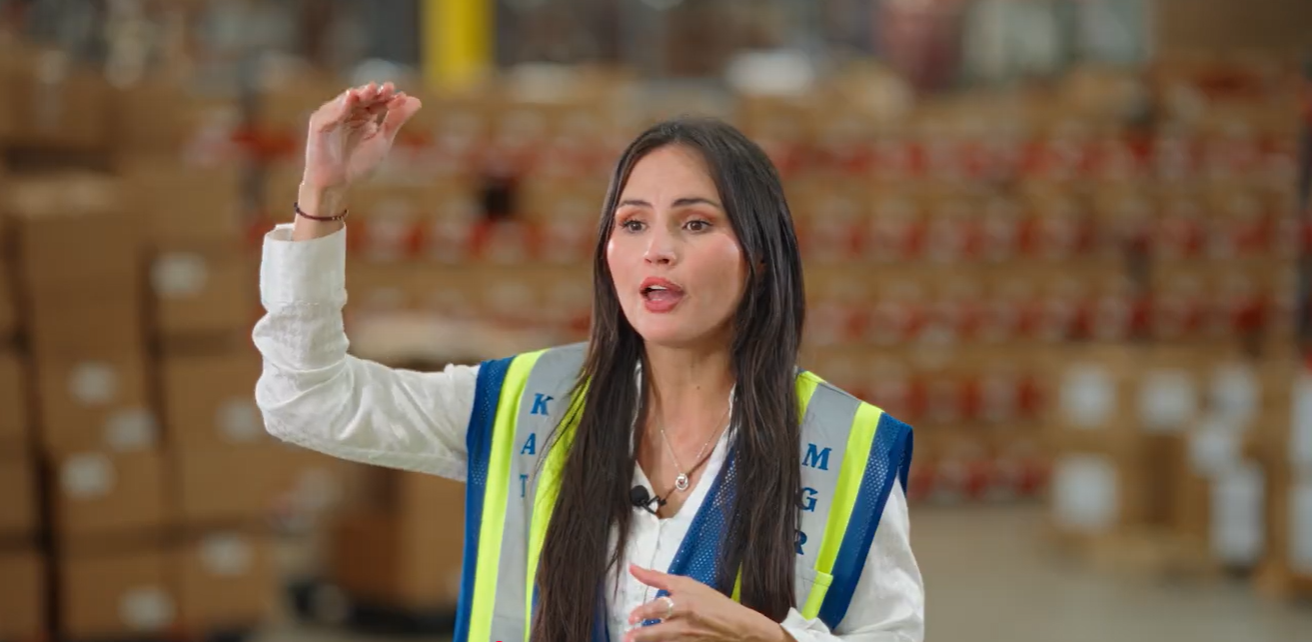
Katherine Wroth of Barrett Distribution Centers describes long-term growth as a central consideration in building client relationships. “We really want the clients that are vested in their growth, the ones that are planning to really scale their business,” she says.
Growth changes the fulfillment equation
Brands arrive at a 3PL decision from different starting points. Some are expanding quickly and need additional warehouse capacity or fulfillment support. Others have run their own facilities for years, adding order volume and operational complexity gradually. In either case, a once-suitable setup may begin to limit the company’s options.
That shift doesn’t necessarily mean the existing operation failed. The business may simply have changed enough that its earlier warehouse footprint, staffing model or fulfillment processes no longer match its plans. Recognizing that distinction can help companies assess a provider around future needs as well as current pressures.
Wroth calls the desired relationship a “forever 3PL”: a provider meant to remain useful as a client’s business changes, rather than serving only as a short-term answer to a capacity challenge. “We will be there through the growth and help you scale to where you want to be,” she says.
Barrett’s stated aim is to build relationships that last five, seven or even 10 years. Over that span, a brand’s sales and fulfillment needs may shift. The practical question for a shipper is whether its provider can adapt alongside those changes, drawing on the experience and operational flexibility needed to support a different scale of business.
Assess timing and fit alongside price
Price is a necessary part of comparing 3PLs, but a cost-focused decision can leave other considerations unexamined. A provider needs to suit the company’s current operation, and its capabilities should be relevant to the business the company expects to build. That makes timing and fit important parts of the evaluation, Wroth says.
For a brand approaching a change in scale, the decision can affect more than the next shipment or sales season. Moving from self-fulfillment to outsourced warehousing is a substantial operational change. Switching providers again after further growth can bring another transition. Considering longer-term compatibility at the outset gives the company a chance to weigh those changes before choosing a partner.
That assessment starts with the company’s own plans. A team can consider how its distribution strategy may expand, what customer expectations it will need to meet, and which parts of fulfillment could become more demanding. It can then compare those requirements with a provider’s ability to support the operation as it evolves. The source does not specify particular service levels or capabilities, so brands will need to judge fit against their own needs.
Nor does a long relationship alone establish that a provider will remain suitable. The useful measure is whether the operation can keep pace as the business changes. A provider that handles today’s volume but cannot accommodate a brand’s likely direction may leave the company facing another logistics decision sooner than planned.
Plan for the operation the business is becoming
Growth tends to reshape fulfillment in stages. A warehouse arrangement that works at one point may need reconsideration as order volume and operational complexity increase. Brands evaluating a 3PL can use that possibility to frame the conversation: what does the operation need now, and what kinds of change might the partnership need to absorb over time?
The answer won’t be a guaranteed forecast. It can, however, keep an immediate capacity problem from becoming the only factor in a consequential decision. For shippers, the takeaway is to weigh cost and current fit while asking whether the provider can stay relevant as distribution plans and fulfillment requirements change.
Brands looking to discuss their needs can contact Barrett Distribution Centers.