Monday, September 28, 2026 · Ocean Shipping & Ports
SCOUT Bags’ Fulfillment Needs Grow With Its Sales Channels and Customization
Noted by James Brown · 432 reads
SCOUT Bags balances seasonal inventory, retail and custom orders with fulfillment support designed to give its team more capacity to pursue new business.
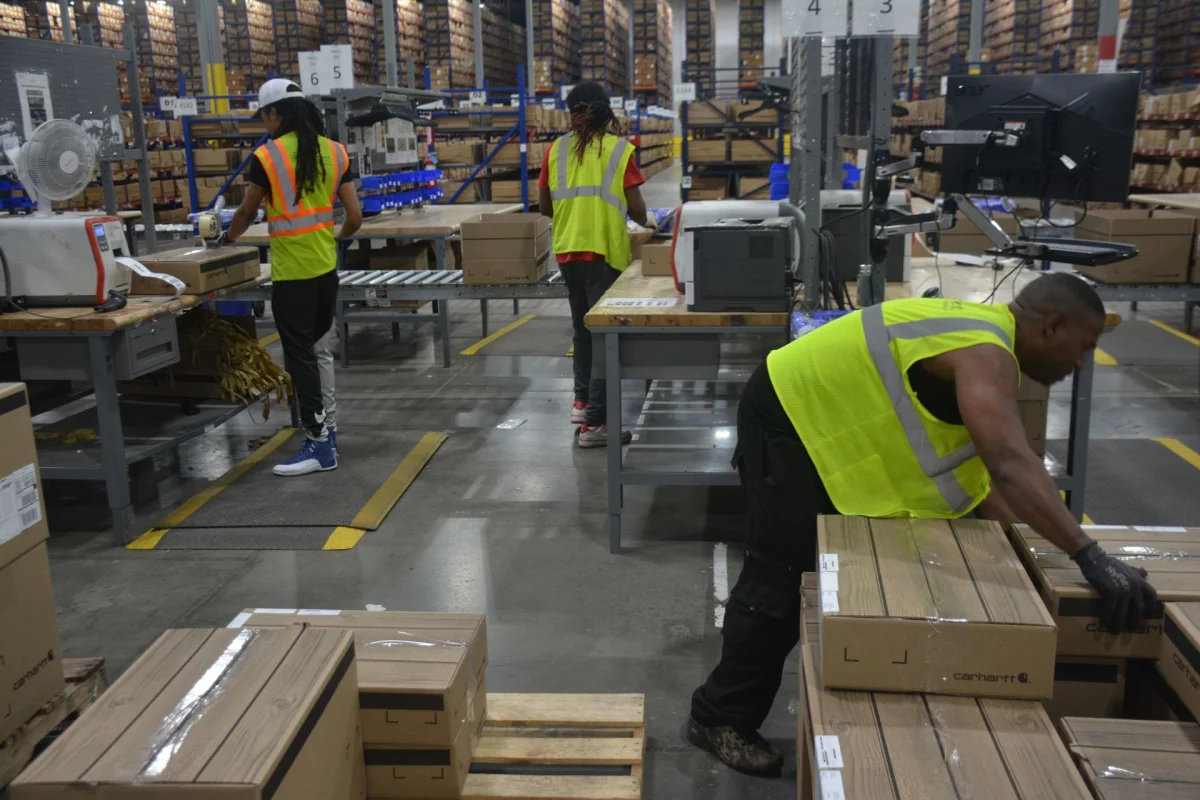
For SCOUT Bags, the value of a third-party logistics provider shows up when the business takes on work its existing operation can’t easily absorb. The 22-year-old, family-owned brand sells through direct-to-consumer, Amazon, more than 1,500 retailers, key accounts, and a growing corporate gifting and customization business. Each channel brings its own service expectations and fulfillment requirements.
SCOUT President Kate calls the company “a complicated little business.” As the brand has added channels and more involved products, its fulfillment needs have changed too. In Kate’s account, the relationship with Barrett Distribution Centers has helped the company support that growth and consider opportunities it might previously have declined.
SCOUT Bags sells colorful, durable bags and accessories that combine function with fashion. The variety of its channels means orders don’t all move through the same process. Seasonal wholesale releases, retail requirements, online orders, and customized corporate gifts each bring different timelines and operating demands.
Seasonal inventory meets a multi-channel operation
SCOUT introduces four wholesale seasons each year. New seasonal products may sell for only three or four months, while evergreen items remain in the assortment. That leaves the company managing overlapping flows: receiving the next season’s goods, shipping out the previous season, tracking inventory turns, and preparing fulfillment resources for demand peaks that may fall outside traditional industry busy periods.
Those moving parts make regular communication important. Kate says Barrett continues to ask how processes can be refined and handled more successfully and cost effectively as SCOUT changes. The need for that attention grows as new channels add requirements and seasonal assortments create competing demands on inventory and labor.
SCOUT had worked with another fulfillment provider for years, during a period when the business grew from a smaller operation into a brand with a broader mix of channels. The company eventually began looking for different capabilities and experience, including support for areas it had not yet encountered. The change was about matching fulfillment to the company’s next stage, rather than simply finding warehouse space.
For a growing brand, a setup that once fit can become a constraint. Retail accounts may bring distinct requirements; short seasonal runs can complicate inventory planning; and personalization introduces new steps across systems and warehouse processes. SCOUT handles several of those pressures at once.
Customization adds work across the order process
SCOUT plans beyond its current needs. It updates five-year projections annually, revisits shorter-term financial forecasts, and considers some supply chain decisions 18 to 24 months ahead. That planning matters as the company expands customization through its direct-to-consumer business and SCOUT Select, its corporate gifting and customization arm.
Options under consideration include patches, embroidery, and specialty handles. Each can affect more than the product itself. The item must support the chosen customization, and the right details need to pass through ecommerce, enterprise resource planning (ERP), and warehouse systems. The fulfillment operation also needs the equipment, staff, processes, and economics to complete the work consistently.
Kate says the biggest impact of Barrett’s support has been helping SCOUT scale. Before, she said, the company might have had to turn down opportunities because it couldn’t manage them. With greater operational support, she described the opportunity as “being able to say yes to more.” For SCOUT, capacity to take on added work is a practical measure of whether its fulfillment setup can support its plans.
How a provider responds when problems arise
The relationship has included challenges, including implementation, ERP integration, dimensional weight, and additional handling issues during busy periods. Kate sees the response to those problems as a meaningful test. She described a collaborative approach in which teams take ownership, bring potential solutions to the discussion, and consider how to prevent a repeat issue.
She also singled out SCOUT’s Barrett account manager, Jackie, for understanding the account and advocating for the company. That day-to-day contact can matter when a business has many order types and operating requirements. Knowing who can work through a problem with context may help teams address it and keep other work moving.
Giving the brand team time back
Before the move to Barrett, Kate said SCOUT’s team spent more time on warehouse concerns, lost-order troubleshooting, shipment monitoring, and chargebacks. After the transition, the company’s director of operations could devote less time to those issues and more to internal priorities, including customer service and ERP processes.
That shift is one way to assess outsourced fulfillment: does it reduce the work the brand must manage itself, or simply move the same problems elsewhere? When operational support works well, a company’s own staff can spend more time on product development, customer experience, channel decisions, and improvements to internal systems.
SCOUT is looking ahead to its next 20 years while continuing to develop its products, customization options, and customer experience. Barrett’s role, as described by Kate, is to support the fulfillment behind that work. For brands with seasonal inventory and varied sales channels, the useful measure is whether the operation can handle today’s orders while leaving enough capacity to pursue the next opportunity.