Tuesday, September 29, 2026 · Ocean Shipping & Ports
How 3PLs Track Lot-Controlled Inventory and Expiration Dates
Noted by William Davis · 745 reads
Lot tracking depends on accurate product data, warehouse processes and WMS controls that preserve lot and expiration details from receiving through fulfillment.
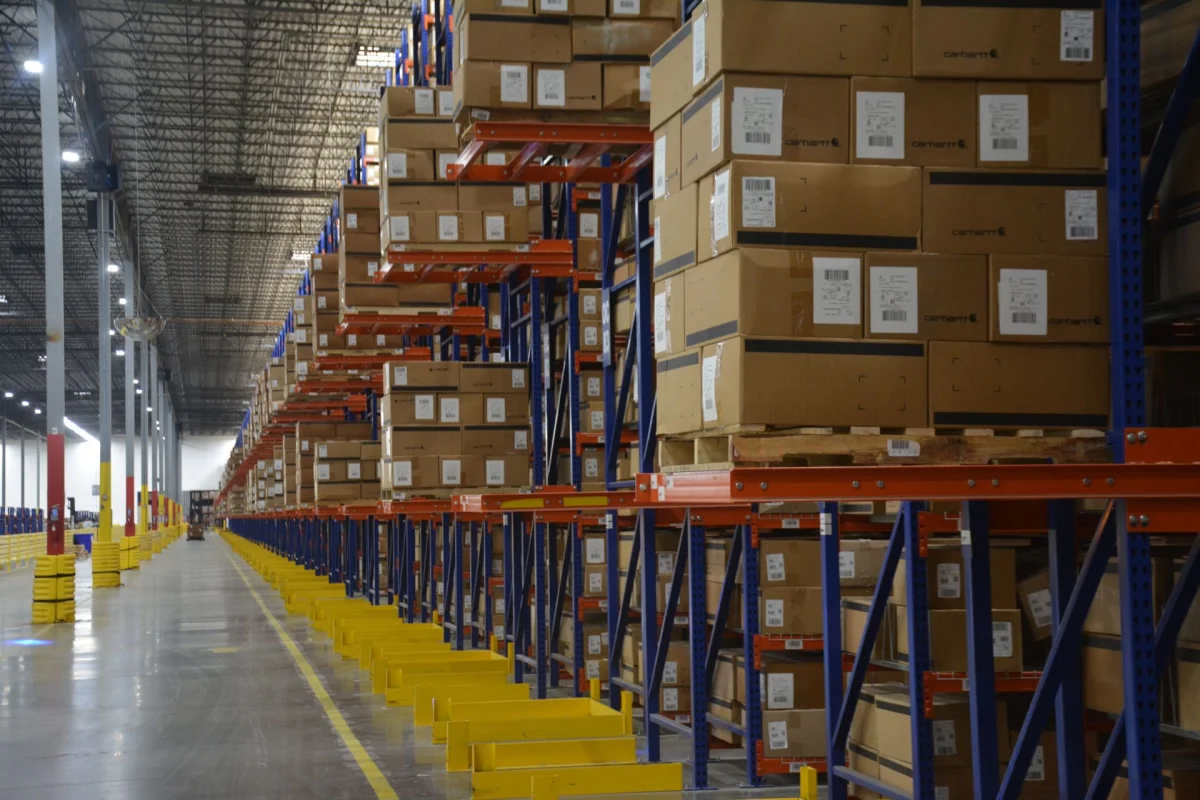
A third-party logistics provider can manage lot-controlled inventory when its warehouse systems and operating procedures capture lot details and preserve them as goods move through receiving, storage and fulfillment. For shippers handling food, beverages or other products with shelf-life requirements, the practical question is whether the provider can maintain those details throughout the order process.
Lot control adds an identifier to the standard item or SKU record. Two units of the same product may belong to different production lots, carry different expiration dates or require separate handling under a customer’s inventory rules. Treating every unit under one SKU as interchangeable can obscure those differences. A lot-aware operation keeps the additional information attached to the inventory as it changes location or is picked for an order.
What the warehouse needs to capture
The process starts when inventory arrives. Product and lot information must be captured accurately, then kept current as goods are put away, stored and allocated to orders. If expiration dates apply, those dates also need to be associated with the relevant inventory. The specific fields and procedures depend on the product and the shipper’s requirements.
That makes lot control an operating design issue as well as a software capability. A warehouse management system can store and display inventory attributes, but the warehouse team also needs clear receiving and handling procedures. The information is only useful if it is entered correctly and remains connected to the right stock through each step.
Barrett says its warehouse management capabilities include customer-specific processing, real-time tasking, multi-client functionality and flexible radio-frequency tools. Those capabilities can support different customer workflows within a shared operation. The source describes Barrett’s experience designing solutions that include lot and expiration controls, including for food-related distribution.
Expiration dates and inventory visibility
A 3PL can support expiration-date requirements when the system and warehouse processes are configured for the customer’s needs. This matters for products where a date attached to one lot cannot be assumed to apply to another lot of the same SKU. Shippers should establish how dates are recorded and how the warehouse uses that information in its inventory procedures.
Inventory visibility gives the shipper a way to see what stock is held in the fulfillment operation and review the data associated with it. Barrett provides customers with secure web access to inventory information, item master data, inbound and outbound orders, and operational reporting. For lot-controlled goods, that broader view can help connect product records with the activity taking place in the warehouse.
The useful measure is whether the available information answers the shipper’s operational questions: what inventory is on hand, which lot it belongs to, what date is recorded where applicable, and how orders and warehouse activity relate to that stock. The source does not describe a specific picking rule or rotation method, so shippers should confirm how their own requirements would be handled before setting up the operation.
Questions to ask a 3PL
Shippers evaluating a provider should explain their lot and expiration requirements in concrete terms, then confirm that the provider’s systems and procedures can support them. Relevant areas include WMS functions, inventory controls, reporting, receiving steps, facility capabilities and experience with the product category. A provider’s general ability to track SKUs alone does not establish how it will handle lot-level records.
Facility conditions may also matter, particularly for food and beverage products. Barrett identifies its Curtis Bay, Maryland, facility as supporting food-grade warehousing. Shippers can use that information as a starting point for discussing the facility needs tied to their products and operation.
Barrett’s stated experience includes customer solutions with lot and expiration controls, backed by warehouse management and inventory visibility capabilities. The fit for any shipper will depend on how those capabilities map to its product data, receiving process, facility needs and reporting expectations. Getting those details aligned before inventory arrives gives both sides a clearer basis for tracking stock from receipt to shipment.
Common questions
What does lot control mean in a warehouse?
It means identifying and managing inventory by a particular lot or batch in addition to its standard item information.
Can a 3PL track expiration dates?
Yes, if its systems and processes are configured to record and manage the customer’s date requirements.
Why does lot tracking matter?
It gives each lot a distinct inventory identity, which can help manage products with traceability or expiration requirements.
Does Barrett support lot-controlled inventory?
Barrett describes experience building customer solutions that include lot and expiration controls, supported by warehouse management and inventory visibility capabilities.
Contact Barrett Distribution Centers to discuss a fulfillment operation’s lot and expiration requirements.


