Friday, October 2, 2026 · Ocean Shipping & Ports
El Faro Sinking: Flooding, Propulsion Loss and Safety Failures Led to 33 Deaths
Noted by maritimecyprus · 890 reads
El Faro sank near Hurricane Joaquin after flooding and propulsion loss; investigators cited navigation, weather information and safety management failures.
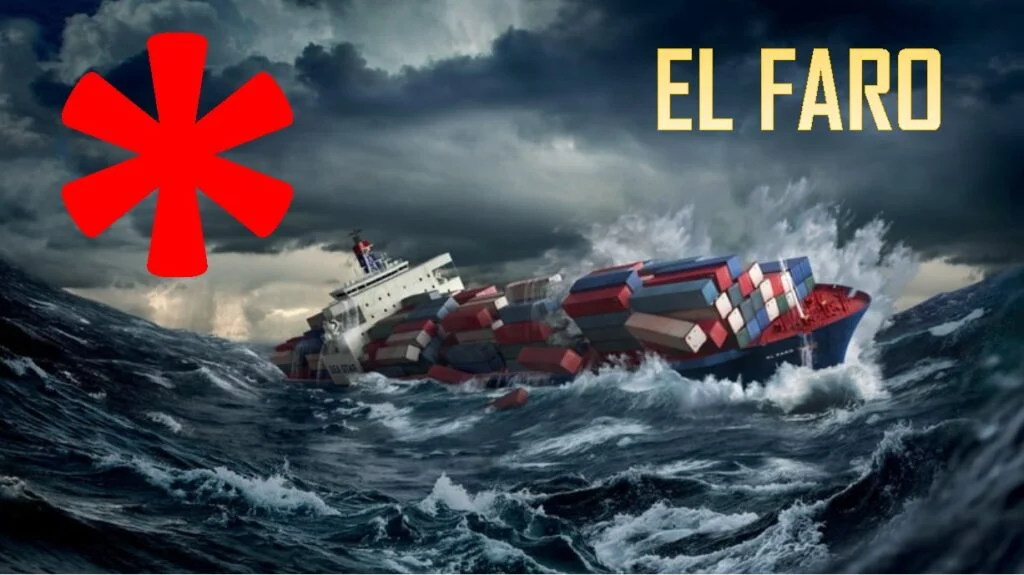
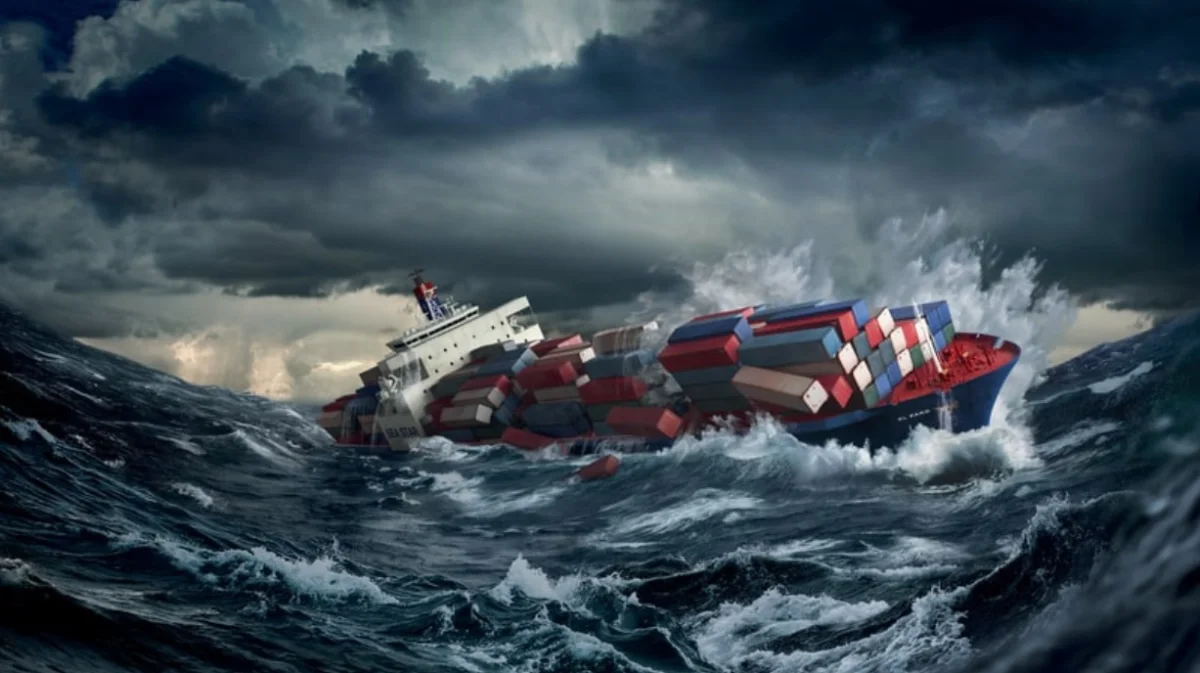
The sinking of the cargo ship El Faro on October 1, 2015, cost the lives of all 33 people aboard. The 790-foot vessel lost propulsion in Hurricane Joaquin after seawater entered its cargo spaces and its list worsened. The National Transportation Safety Board (NTSB) later identified decisions on navigation, unreliable weather information, weak bridge team management and the ship operator’s safety oversight among the factors that contributed to the loss.
El Faro was a U.S.-flagged combination roll-on/roll-off and lift-on/lift-off ship crewed by U.S. merchant mariners. It left Jacksonville, Florida, for San Juan, Puerto Rico, at 8:10 p.m. EST on September 29, when Joaquin was still a tropical storm several hundred miles to the east. Investigators found that the vessel had options to route away from the storm as it strengthened.
Course and weather decisions
As Joaquin developed into a major hurricane, the ship continued toward its path. The captain relied on outdated forecasts and did not follow bridge officers’ suggestions to steer farther south. The NTSB said the vessel entered conditions that included seas reaching 35 feet and winds of 100 mph. A separate account of the ship’s final hours describes likely seas of 20 to 40 feet and winds above 80 knots near the storm’s eyewall.
About five hours before the sinking, as the ship moved into the storm’s outer bands, its speed fell and it began listing to starboard under severe wind and wave conditions. Around 7:30 a.m. on October 1, the vessel was taking on water and had a 15-degree list. The captain’s last report indicated that the crew had contained the flooding. Soon afterward, the ship stopped communicating with shore.
NTSB investigators said the captain had opportunities to choose a route that avoided the hurricane. The board also cited poor coordination on the bridge and inaccurate weather information. Its chairman, Robert L. Sumwalt, said investigators might never know why the captain did not heed crew concerns or take a safer course, but the consequences of those decisions were clear.
Flooding and loss of propulsion
Seawater entered through cargo-loading openings and other openings on a partially enclosed deck. It gathered on the starboard side and passed through an open hatch into a cargo hold. As the hold filled, automobiles came loose from their lashings. Investigators said the vehicles likely damaged a fire main pipe, which could have let thousands of gallons of seawater per minute into the ship—faster than its bilge pumps could remove it.
About 90 minutes before the vessel sank, it lost propulsion. Without power to maneuver, the ship was left exposed to the storm. The captain ordered the crew to abandon ship as the sinking became imminent, but survival chances were sharply limited by the conditions and the available equipment. El Faro carried life rafts and open, uncovered lifeboats. Although the boats met requirements, investigators concluded they were ineffective in hurricane conditions.
The NTSB also found that inadequate damage-control plans and insufficient information about the status of hatches, flooding and the ship’s vulnerability under a sustained list affected the crew’s ability to respond. Sumwalt said the vessel was not destined to sink if the crew had better information about those conditions and how to manage the flooding.
Search and investigation
Authorities declared the 40-year-old ship missing on October 2 and began a search involving Coast Guard, Air Force, Air National Guard and Navy personnel. Search teams recovered debris and a damaged lifeboat and saw a body they could not identify or recover. The vessel was declared sunk on October 5. The search ended at sunset on October 7, after aircraft and ships had covered more than 183,000 square nautical miles.
The Navy sent the USNS Apache to search underwater on October 19. On October 31, it located a vessel described as consistent with El Faro, upright and in one piece. Images taken by a submersible the next day confirmed the wreck’s identity. Investigators worked with military, private-sector and other partners to document the wreck and debris field and recover the voyage data recorder from more than 15,000 feet below the sea surface.
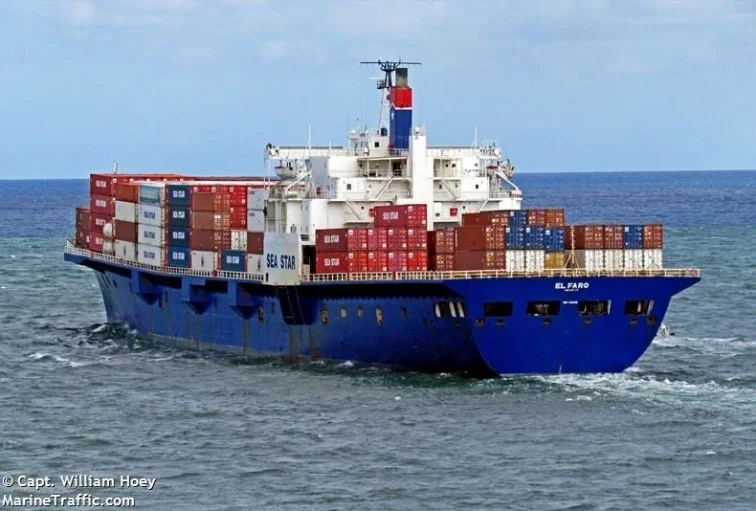
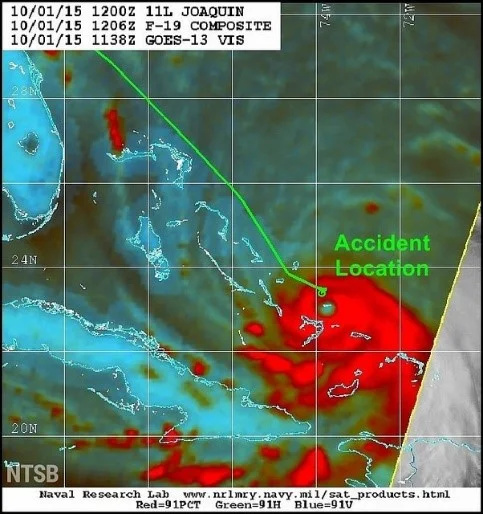
Following a 26-month investigation, the NTSB issued recommendations to several organizations. They included 29 to the U.S. Coast Guard, two to the Federal Communications Commission, one to the National Oceanic and Atmospheric Administration, nine to the International Association of Classification Societies, one to the American Bureau of Shipping, one to Furuno Electric Company and 10 to TOTE Services. The board also pointed to TOTE’s inadequate safety management and oversight as contributing factors.
The source provides links to the Coast Guard Marine Board report, the NTSB accident report and an executive summary of the findings, probable cause and safety recommendations. It also links to a 16-page illustrated digest that condenses key events, decisions and recommendations from the investigation.
Download the Coast Guard Marine Board accident report.
Download the NTSB accident report.
Read the executive summary, including findings, probable cause and safety recommendations.

The case remains a detailed account of how routing choices, bridge coordination, flooding and limitations in emergency equipment combined during a fast-changing voyage. For ship operators, its central operational lesson is that weather decisions, condition reporting and damage-control readiness must work together before a vessel loses the ability to maneuver.


