Saturday, October 3, 2026 · Ocean Shipping & Ports
Rena Grounding Led to 93,000-Gallon Spill and New Zealand Inquiry
Noted by maritimecyprus · 627 reads
The Rena struck Astrolabe Reef in 2011, spilling oil into the Bay of Plenty. Investigators traced the grounding to voyage planning and watchkeeping failures.
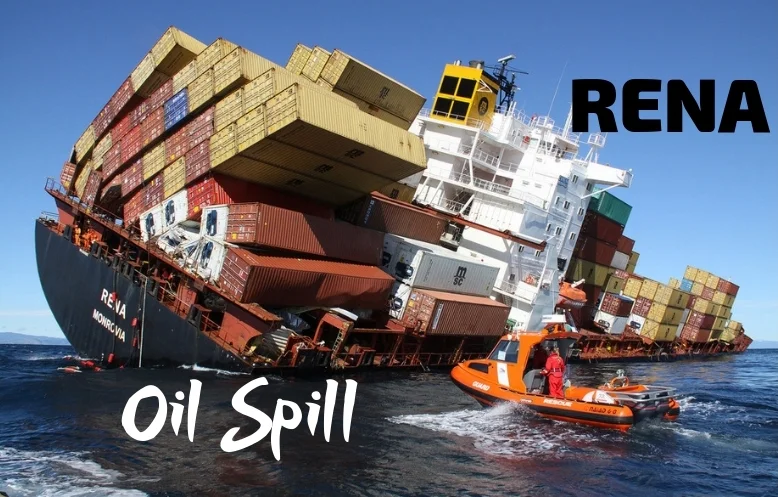
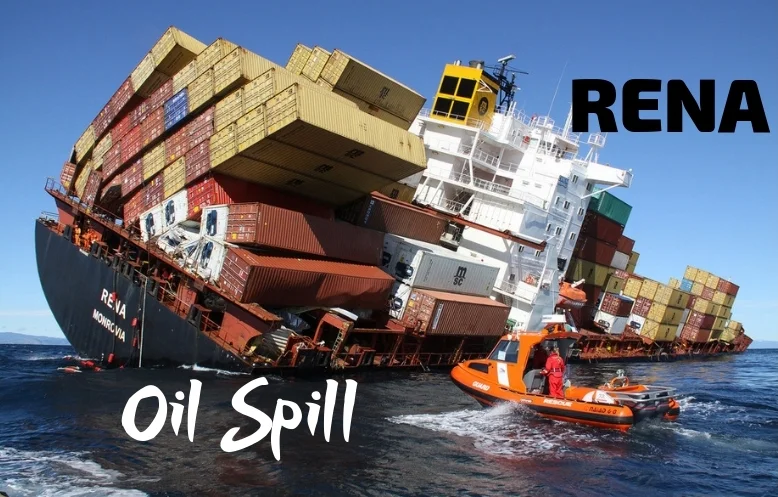
The Rena grounding exposed how a shortened route, a rushed arrival schedule and a gap in bridge monitoring can combine into a major shipping incident. On October 5, 2011, the Liberian-registered container ship struck Astrolabe Reef off New Zealand’s North Island. The resulting oil spill affected the Bay of Plenty, while the inquiry later identified failures in voyage planning, navigation watchkeeping and the handover of control.
The ship, owned by Greek shipping company Costamare Inc., had departed Napier for Tauranga the previous morning. It ran aground at 0214, about 12 miles off the coast. A leak from the vessel released 93,000 gallons of fuel and diesel oil, according to the source account. The Rena remained stuck on the reef and was declared a total loss on October 11. A substantial amount of container cargo was also lost.
How the ship’s track changed
The master had estimated arrival at Tauranga’s pilot station for 0300 on October 5, using the distance remaining and the Rena’s normal service speed. That calculation did not account for the adverse currents typically found along the coast. After leaving Napier, the master learned of the currents from notes on the chart and allowed watchkeepers to leave the planned course lines to shorten the route and seek less adverse currents.
The second mate took over the watch shortly after midnight. At the ship’s then-current speed, he also calculated a 0300 arrival. Tauranga Harbour Control told him that 0300 was the latest time the Rena could take a pilot aboard. Entry times at the harbour are constrained by water depth and the strength of tidal currents in the entrance channel.
The planned route passed two nautical miles north of Astrolabe Reef before turning toward the pilot station. To save time, the second mate reduced that clearance to one mile and made several small course changes toward the reef. The investigation account says he altered course five degrees past the required track and did not account for compass error or sideways drift. The ship’s resulting ground track led directly toward the reef.
As the master came to the bridge to prepare for arrival, he and the second mate discussed the preparations. The master then took control without receiving enough information about the ship’s position, direction of travel or immediate navigational hazards. During the handover, nobody was monitoring the Rena’s position. It struck the reef at full speed.
Spill response and wreck breakup
Signs that the ship might split were reported as early as October 12. It broke apart in January, and the aft section moved off the reef and sank. About 200 tonnes of heavy fuel oil were lost to the sea. Further oil leaked from the wreckage, but the total amount from that later release was not known; one slick covered a square kilometre of water.
Oil continued to escape slowly as early spring storms hit the wreck. Recovery of wreckage and debris continued for months, with much of it still being collected eight months after the grounding. The spill killed thousands of birds, with some estimates reaching 20,000. New Zealand dotterels were among the species captured and kept in protected care. Some birds later died from respiratory infections linked to the spill.
Local residents organized shoreline cleanup efforts, and 5,000 volunteers took part in cleaning the bay. The scale of the response reflected the spill’s reach along the coast as well as the continuing work required after the vessel broke apart.


Inquiry findings and fleet lessons
New Zealand’s Transport Accident Investigation Commission concluded that no shipboard machinery or navigational equipment malfunction caused the grounding. It attributed the direct contributing factors to the crew’s failure to follow standard practice for voyage planning, watchkeeping and taking over control of the vessel.
The inquiry also examined the ship manager’s oversight. CIEL Shipmanagement S.A. had not sufficiently ensured that the Rena’s safety management system prevented a high number of deficiencies found during two initial port inspections about three months before the grounding. Investigators also cited routine departures from company procedures for voyage planning and navigation.
Broader concerns covered seafarer training and coastal navigation. An independent audit had found that the Philippines’ maritime education, training and certification system did not meet mandatory standards under the Standards of Training, Certification and Watchkeeping for Seafarers Convention. The inquiry said the convention’s auditing process lacked transparency that would help member states assess other countries’ training systems and decide whether to recognize their competency certificates.
The report also considered whether some form of ship routing was needed around New Zealand and how hazards such as Astrolabe Reef should be marked. It identified limited data on coastal shipping movements as an obstacle to meaningful analysis.
The Commission recommended that CIEL Shipmanagement assess whether its safety management system could prevent similar problems across its fleet. It called on Maritime New Zealand to promote greater transparency in international reviews of seafarer training systems, gather sufficient data on coastal shipping movements, and monitor and control the use of virtual navigation aids around the coast.
For ship operators, the practical lesson is direct: passage plans need to account for currents, position checks must continue during watch changes, and the incoming officer needs a clear picture of the vessel’s track and hazards. The inquiry’s findings also put responsibility on managers to verify that fleet procedures work on board and that crews have the training required for safe navigation.
Investigation report

On May 25, Captain Mauro Balomaga and navigation officer Leonil Relon were found guilty of operating the ship dangerously and altering navigation records to mislead investigators. Each received a seven-month sentence.
The post Flashback in maritime history: RENA oil spill 5th Oct 2011 (video) appeared first on MaritimeCyprus.
===

