Friday, October 9, 2026 · Ocean Shipping & Ports
Prinsendam’s 1980 Gulf of Alaska Fire and Passenger Rescue
Noted by maritimecyprus · 317 reads
An engine-room fire left the Prinsendam disabled in the Gulf of Alaska. Nearby ships and long-range crews brought all 359 people safely to Valdez.
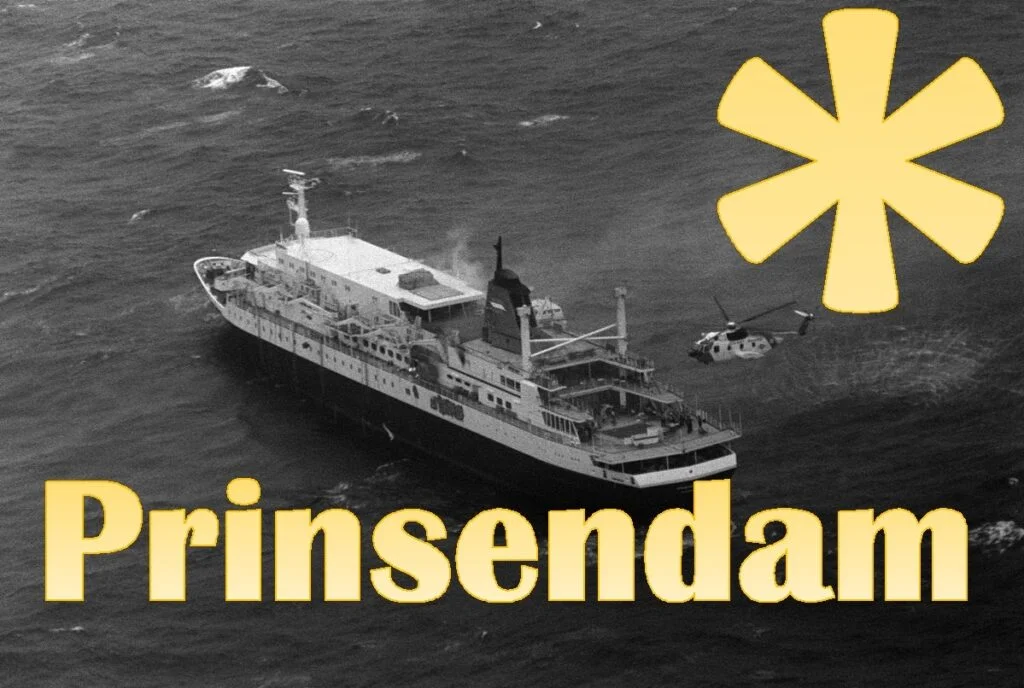
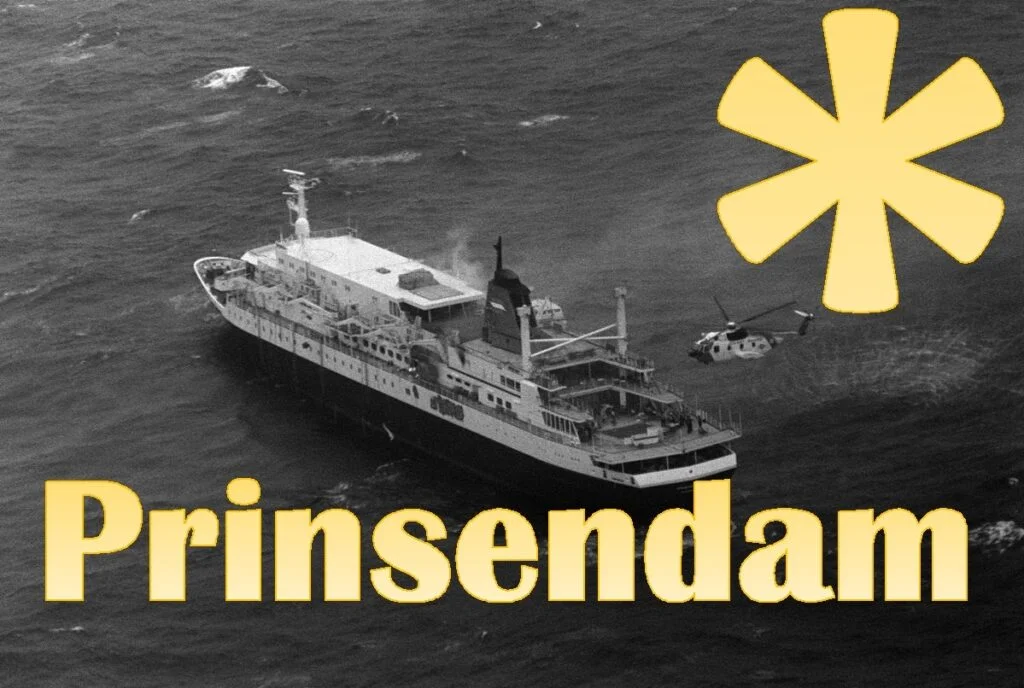
The 1980 loss of the Prinsendam shows how a ship’s position can shape an emergency response as much as the damage onboard. A fire in the engine room disabled the cruise ship in the Gulf of Alaska, about 120 miles south of Cape Spencer. The ship was beyond the reach of nearby US Coast Guard helicopters, so assistance depended on ships in the area and aircraft able to make the longer journey.
Built in 1973 for Holland America Line, the Prinsendam was smaller than the average cruise ship of its era. It carried about 350 passengers and 200 crew. Just after midnight on 4 October 1980, fire broke out in the engine room while the ship was underway. The master contacted the US Coast Guard to request help, beginning a response that would draw in nearby commercial and service vessels as well as long-range helicopter crews.
A distress call brings nearby ships into the response
The Coast Guard advised the master to send an SOS. He declined, but the chief radio officer transmitted one anyway. That call alerted ships in the area, including the tanker Williamsburg and the Coast Guard vessel Boutwell. The Boutwell served as the on-scene coordinator, while the Williamsburg would later become the vessel that carried the rescued passengers and crew to shore.
The difference between the master’s decision and the radio officer’s action is a striking detail in the account. The distress call expanded the response beyond the initial contact and gave other ships a chance to assist. At sea, a ship in trouble may be far from the resources that can reach it quickly. Contacting vessels nearby can therefore be a key part of the response, especially when the ship’s location falls outside the working range of local aircraft.

Long-range helicopters carried people to the Williamsburg
The master ordered the ship abandoned at sunrise. The US Coast Guard, Air Force and Canadian Forces dispatched long-range helicopters. Their crews transferred people from the lifeboats to the Williamsburg, providing a link between those leaving the Prinsendam and the ship that could take them onward. The operation involved several organizations and depended on coordination among aircraft, lifeboats and vessels in the area.
The source account does not give a detailed timeline for each transfer or describe the equipment used beyond the long-range helicopters and lifeboats. It does establish the central operational challenge: the Prinsendam was far from Cape Spencer, outside the range of Coast Guard helicopters, and its people had to be moved in stages. The Williamsburg’s role made the rescue and onward journey part of the same operation.
Even after the evacuation began, the ship remained under tow. The fire could not be put out, the Prinsendam was listing heavily, and weather conditions were deteriorating. Those conditions limited the prospects of recovering the vessel. The Coast Guard denied permission to take it into sheltered waters, though the source says that decision probably had no effect because the ship sank shortly afterward.
The ship sank, but all 359 people survived
The Prinsendam capsized and sank on 11 October 1980, seven years after it was built. The Williamsburg brought 359 passengers and crew safely to Valdez. The account reports no fatalities and no serious injuries. Those outcomes came despite the fire, the ship’s worsening condition, its location offshore and the deteriorating weather.
The figures in the account describe different things: the Prinsendam carried about 350 passengers and 200 crew, while 359 people were brought to Valdez aboard the Williamsburg. The source does not explain that difference, so the reported figures should be kept in their stated context rather than treated as interchangeable totals.
For maritime operators, the episode offers a practical reminder about emergency planning at sea. Response capability depends on distance, aircraft range, nearby vessel availability and the ability to move people between platforms. The account also makes clear that saving those onboard does not necessarily mean saving the ship: the Prinsendam was taken under tow, but the fire continued and the vessel eventually sank. The people reached shore safely; the vessel did not.
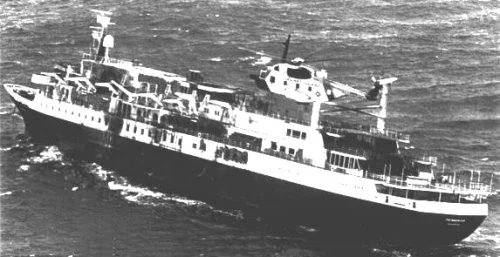
Popular Mechanics published an article about the incident in April 1981. A reproduction is available here.
Coverage and further reading
The source includes video from media coverage at the time, offering another record of the response. Its original page is available through MaritimeCyprus. Readers can find additional maritime history at the site’s history archive.
The account’s clearest operational takeaway is the value of a response that can draw on multiple vessels and long-range air crews when a ship is beyond the reach of nearby helicopters. In this case, the Prinsendam was lost, but the coordination brought every passenger and crew member safely to Valdez.


