Saturday, October 17, 2026 · Ocean Shipping & Ports
George Prince Ferry Collision: Mississippi River Crossing and Safety Changes
Noted by maritimecyprus · 677 reads
The 1976 collision near Luling killed 76 people and led to lower alcohol limits for mariners and clearer right-of-way rules.
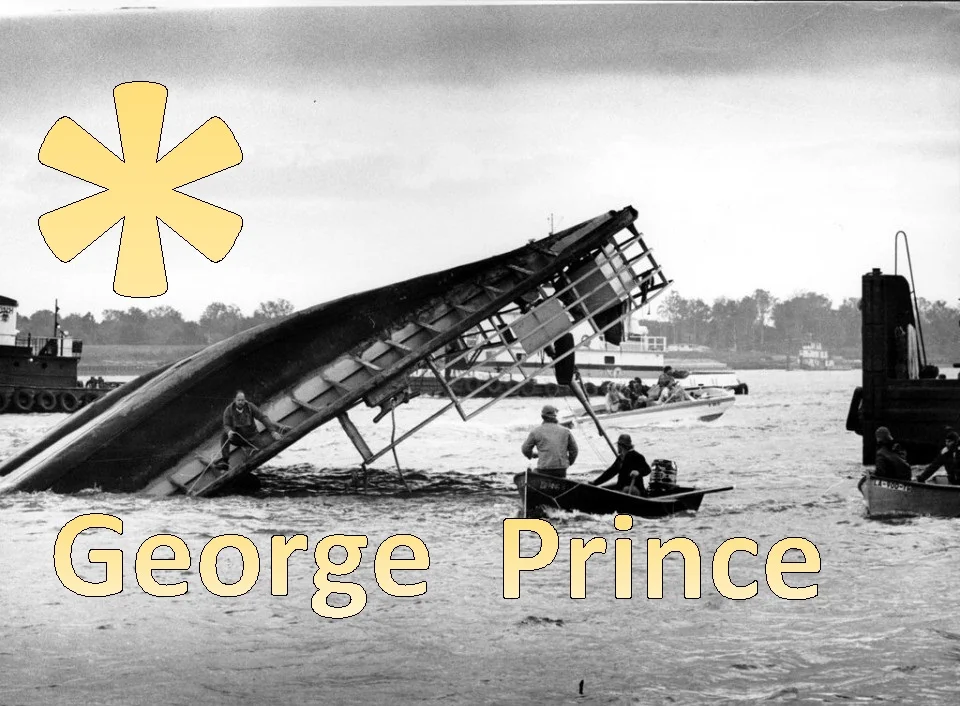
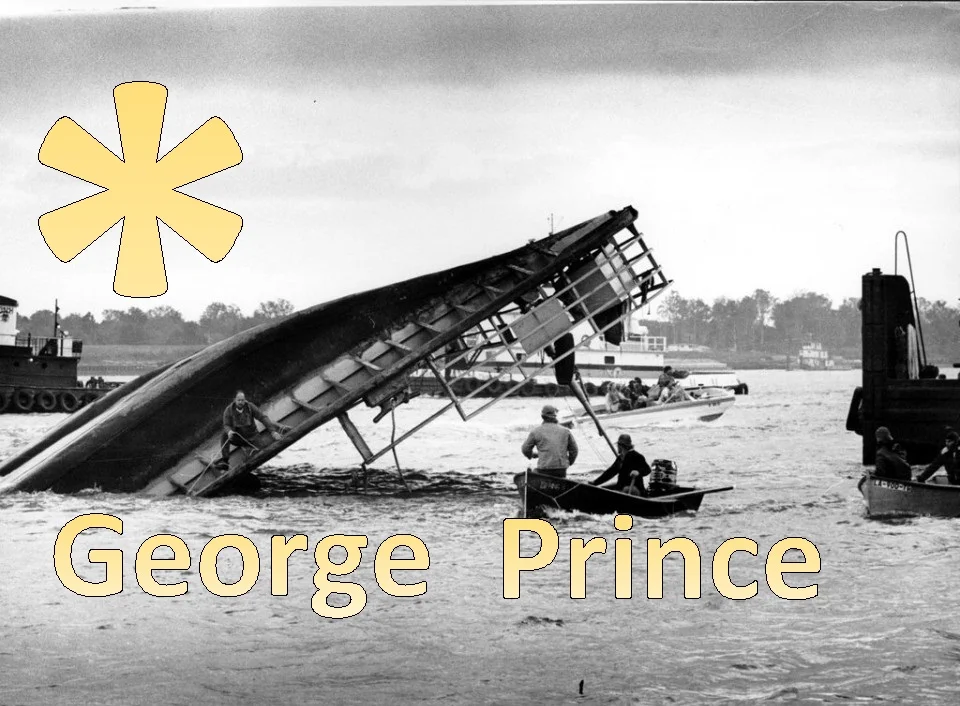
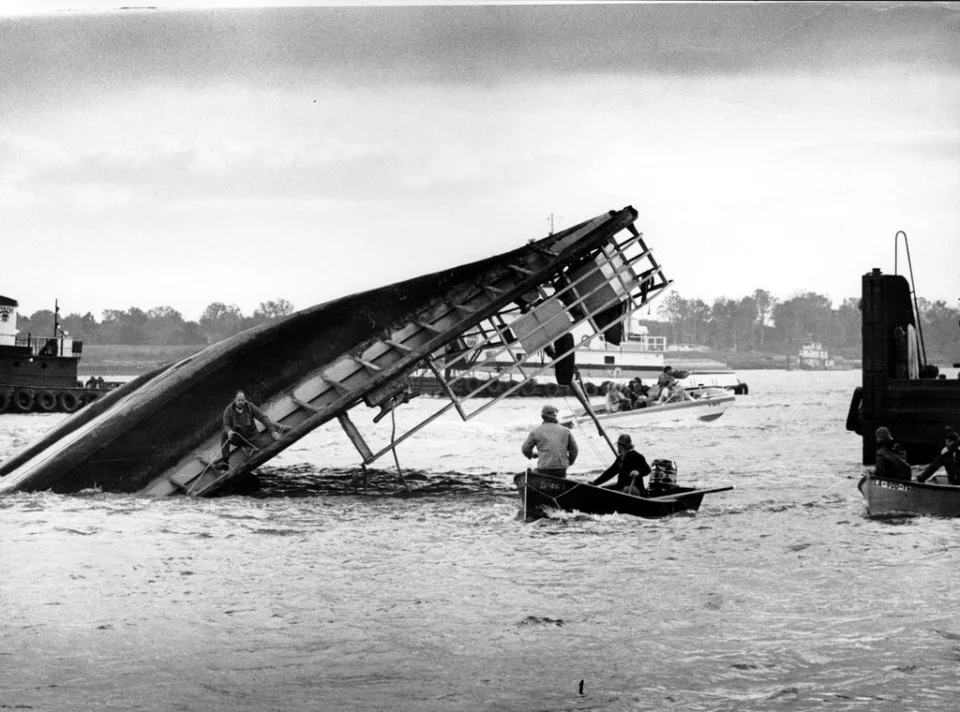
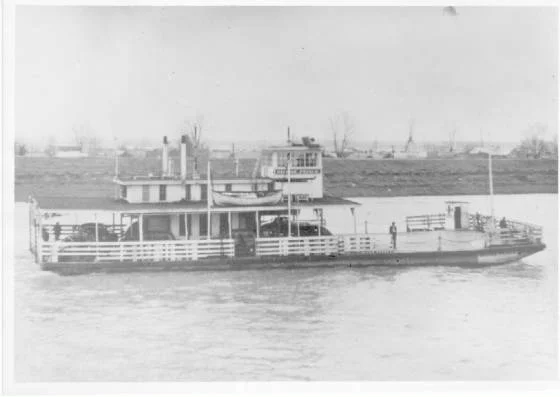
The sinking of the George Prince shows how a short river crossing can become a high-consequence encounter when vessels do not establish communication and their movements conflict. On 20 October 1976, the ferry capsized after the upbound tankship Frosta struck it in the Mississippi River near Luling, Louisiana. Of the 94 people aboard the ferry, 76 died, including its pilot.
A crossing into the channel
The USCG investigation described a routine nighttime trip from the ferry’s moorings at Luling to Destrehan, on the west bank. The ferry left without sounding a departure signal. It also did not first proceed upstream: instead, it headed straight across the navigable channel, where Frosta was traveling upriver with a pilot aboard.
Those details matter because crossing traffic and vessels following a river channel have different paths through the same operating space. A ferry making a direct crossing must move through the route used by vessels traveling upstream and downstream. At night, the time available to identify a developing conflict and respond can be limited. The account does not provide vessel speeds, distances or visibility conditions, so those factors cannot be quantified here.
Calls and signals went unanswered
According to the investigation account, Frosta’s pilot saw the ferry and made several calls over the radiotelephone. The ferry did not respond. As the vessels drew closer, the tankship’s pilot sounded signals, but again received no answer. Shortly before impact, the pilot ordered the engines back full. By then, the collision could not be avoided.
Frosta hit the ferry amidships on its port side. The George Prince capsized. The sequence highlights the limits of last-minute action: radio calls and audible signals can help crews recognize and manage a developing meeting, but they need time and a response to change how vessels pass. Once the ships were close enough that the tankship’s pilot ordered full astern, there was no longer enough room to prevent the impact.
The source account does not describe the ferry’s equipment, its watch arrangements or what its crew could see and hear before the collision. It does report that there was no reply to the calls and signals. Those known facts make communication and the ferry’s crossing decision central to understanding the encounter without requiring assumptions about unreported conditions.
Findings and subsequent changes
Analysis after the collision determined that the George Prince pilot had a blood-alcohol level of 0.9, as stated in the source account. It reports that the maximum permitted level for mariners in safety positions was subsequently lowered to 0.4. It also says the rules of the road were changed to make clear that vessels crossing a river must give way to vessels transiting upstream or downstream.
For ferry and vessel operators, that change puts the crossing maneuver in clear operational terms: a vessel moving across a river must account for traffic already following the channel. The practical challenge is to recognize that traffic early enough, establish contact when possible and make the crossing in a way that gives channel traffic room to continue. A routine route does not remove the need to assess each passage against the movements of other vessels.
The figures in the account convey the scale of the loss: 94 people were on the ferry, and 76 died. The source does not provide a breakdown of the people aboard or further details about rescue operations, so this account does not add them. The lasting operational points are the reported crossing obligation and the lower alcohol limit for mariners in safety positions.
Investigation report and historical footage
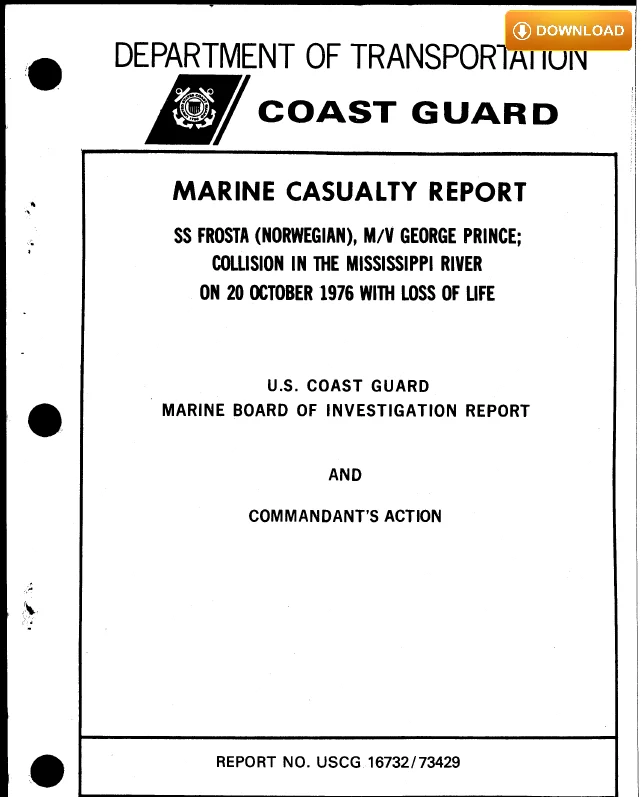
The investigation report is available for download:
Watch below a video from the media coverage at the time:
For more Maritime History, visit MaritimeCyprus history.