Friday, October 23, 2026 · Ocean Shipping & Ports
Princess Sophia Wreck: How a 1918 Storm Trapped a Ship on Vanderbilt Reef
Noted by maritimecyprus · 516 reads
The Princess Sophia struck Vanderbilt Reef in a snowstorm and remained stranded for more than 40 hours before sinking with all 364 aboard.
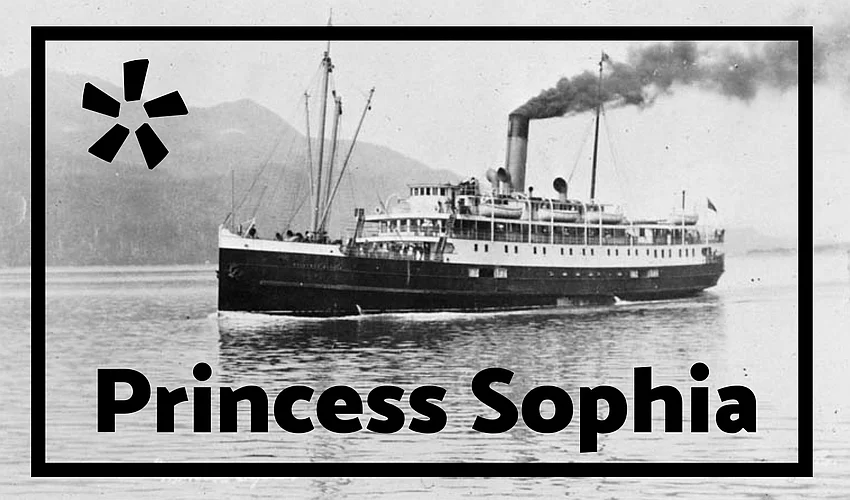
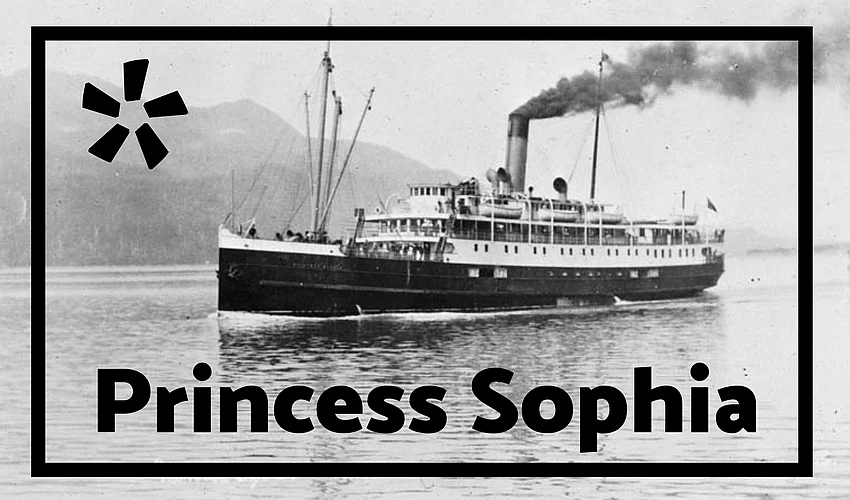
The Princess Sophia disaster shows how a vessel can be left with few safe options when severe weather, limited visibility and a reef combine. The ship struck Vanderbilt Reef off Alaska in the early hours of October 24, 1918. It remained there for more than 40 hours before sinking on October 25, taking all 364 passengers and crew with it. Rescue vessels reached the area, but conditions prevented them from safely transferring people from the stranded ship.
A night crossing in worsening weather
The Princess Sophia left Skagway at 10:10 p.m. on October 23, three hours behind schedule. Captain Leonard Locke, who had more than 25 years of experience in the Pacific Northwest, was in command. Soon after departure, the north wind strengthened to more than 50 knots. About an hour into the voyage, as the ship rounded Battery Point, heavy snow and fog reduced visibility to zero.
With navigation technology limited, the ship’s distance from shore was misjudged in the storm. The wind pushed the vessel off course, leaving it exposed to the reef. At about 2 a.m. on October 24, the Princess Sophia struck Vanderbilt Reef head-on at about 11 knots. The hull came to rest high on the rocky outcrop, with the sea breaking around it.
The initial impact did not cause immediate damage, according to the account. The danger continued as strong winds drove waves against the ship’s side, grinding its hull against the rocks. That left the vessel in a precarious position: it had survived the grounding, but the surrounding sea made approaching and moving people from the ship hazardous.
Rescue efforts stalled by the sea
Conditions aboard were initially calm enough for passengers and crew to remain comfortable. The ship’s electricity was still working, and panic was limited in the early hours. Fishing vessels named Estebeth, Amy, E.A. Hegg and Peterson were sent to assist. The Cedar and King & Winge followed.
Captain Locke judged that transferring passengers in the heavy seas would put them at greater risk. His decision was to wait for the storm to ease before attempting an evacuation. The weather made that wait consequential: the surrounding vessels were eventually forced to retreat to shore, leaving the Princess Sophia isolated on the reef.
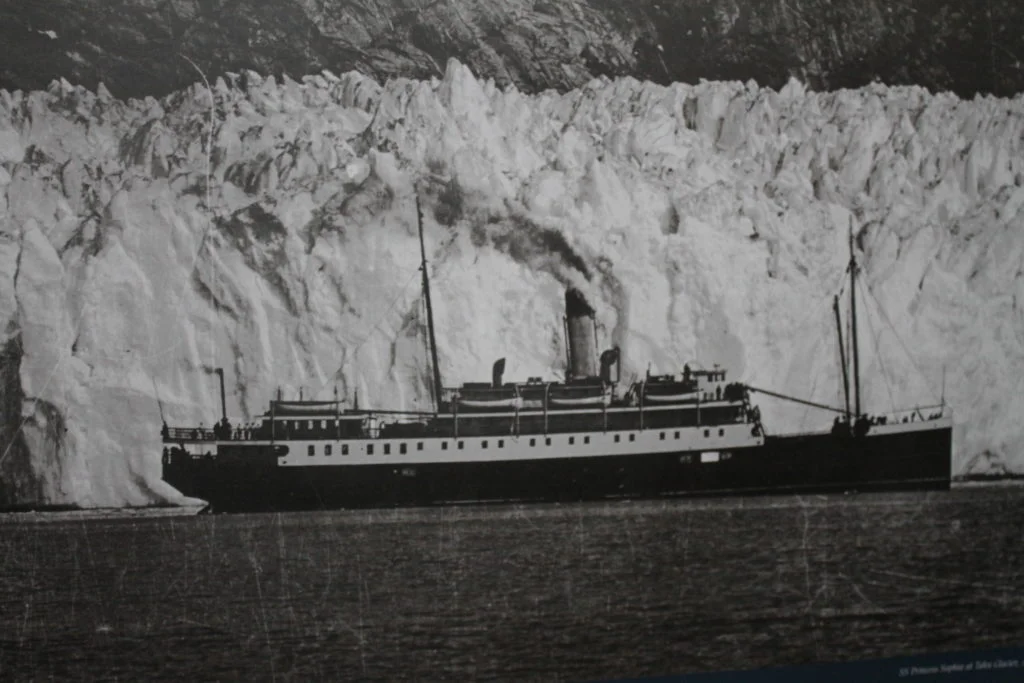
The ship remained in the rough water for more than 40 hours. An SOS was sent down the coast to CPR Headquarters in Victoria, but Captain James Troup did not receive the message for 12 hours. As conditions worsened and the wait continued, people aboard wrote their wills and put letters to loved ones in their pockets.
A disaster with no survivors
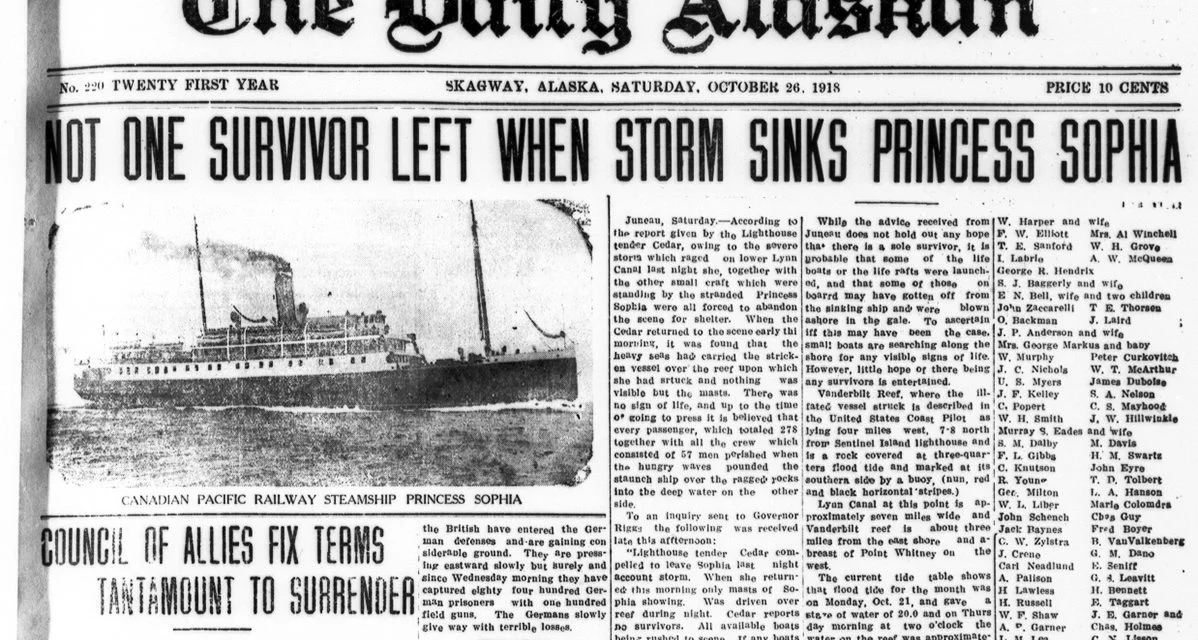
Sometime between 5:30 and 6 p.m. on October 25, the Princess Sophia sank. All 364 people aboard—passengers and crew, American and Canadian—were lost. The wreck became the worst maritime accident in the history of British Columbia and Alaska, as described in the source account.
The sequence underscores the limits of rescue when a ship is grounded in exposed waters. The first vessels were dispatched, but waves and wind prevented them from staying alongside. Locke’s assessment that a transfer was unsafe left the people aboard waiting for conditions to improve; the storm instead kept worsening the situation. The delayed arrival of the SOS message also narrowed the time available for a response.
For maritime operators, the account’s central operational detail is the way several hazards compounded: a late departure, rapidly building winds, snow and fog, a navigation error near shore, and a reef that left little room to maneuver. Once the ship was aground, the same weather that had contributed to the grounding also blocked the rescue approach. The disaster remains a stark record of how quickly a coastal passage can become a rescue challenge when visibility and sea conditions close in together.
The source includes a video reference, but no video embed is present in the supplied material.
For more maritime history, see MaritimeCyprus history.
The post Flashback in maritime history: Princess Sophia sinking, claiming 364 lives 25 Oct. 1918 (Video) appeared first on MaritimeCyprus.
===