Sunday, October 25, 2026 · Ocean Shipping & Ports
Hai Phong Port Reaches 2 Million TEU in 2026 Ahead of Last Year’s Pace
Noted by Joseph Rodriguez · 336 reads
Hai Phong Port hit 2 million TEU by October 15 as nine-month cargo volume rose 27.8% and terminal investments expanded capacity.
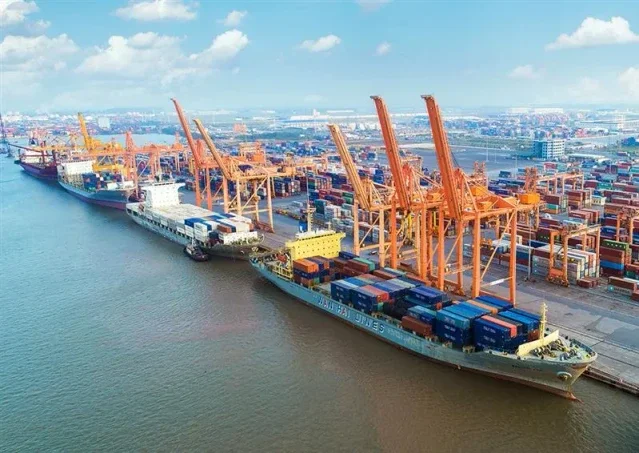
Hai Phong Port reached 2 million TEU in container throughput for 2026 on October 15, about two months earlier than it did in 2025. The milestone points to faster activity across its container terminals, supported by higher volumes and recent capacity and service changes across the port network.
The 2 millionth TEU was unloaded from the MAERSK NOTODDEN at Tan Vu Port Branch. The vessel was operating on the MSK HP2 service route and discharged approximately 1,788 TEU during its call. That figure describes the ship’s unloading at Tan Vu; it is distinct from the port’s cumulative throughput milestone.
Nine-month volumes and results rise
Hai Phong Port reported consolidated cargo volume of 38.1 million tons in the first nine months of 2026, up 27.8% from the same period in 2025. Container volume increased 30.7%. Over the same comparison, consolidated revenue reached VND 2,750 billion, also up 30.7%, while pre-tax profit rose 55% to VND 1,443 billion.
Profit grew faster than revenue, while container volume and revenue posted the same rate of increase. The figures show that throughput growth coincided with stronger financial results, though the company’s reported totals do not specify how much each investment or service addition contributed.
The port has set a full-year cargo throughput goal of 57.3 million tons. Its 38.1 million tons handled through September amount to roughly two-thirds of that target, leaving the final quarter to determine how closely it finishes the year. That cargo measure is in tons; it should be read separately from the 2 million TEU container milestone.
Terminal work adds options for carriers
Hai Phong Port links its growth to investment in operating capacity, infrastructure and market development. Work since the start of 2026 includes upgrades to the shipping channel serving the Dinh Vu area and renovation at Tan Vu. The renovated terminal can receive vessels of up to 55,000 DWT operating with reduced load.
The company has also added container service routes from MSC and SITC at Tan Vu and Dinh Vu ports. At HTIT Port, in the Lach Huyen terminal area, stable operations add to the system’s capacity to receive large container ships. Together, the channel work, terminal changes and service additions widen the combination of berths and carrier connections available across the port system.
For shippers, forwarders and importers routing cargo through northern Vietnam, additional services and terminal choices can provide more ways to plan port calls and connect cargo with vessel schedules. The practical value depends on each shipment’s route, timing and carrier arrangements; the source does not provide schedule data or quantify any change in transit times. Still, more service options and the ability to handle larger vessels give carriers and cargo owners a broader set of operating choices.
The developments also matter as a connected set of capacity changes. Channel access, berth capability and regular carrier services each shape how a port can handle vessel calls. Improving one part of that system may have limited effect if other constraints remain. Hai Phong Port’s listed initiatives address several parts at once, while HTIT’s operations add another location for large container ships within the port network.
Company credits partners and employees
Pham Hong Minh, chairman of the board of directors of Hai Phong Port Joint Stock Company, credited customers, shipping lines, partners and employees for reaching the 2 million TEU mark. He said the company would continue directing efforts toward throughput, revenue and profit goals, while working to improve operating capacity, service quality and cooperation with shipping lines and strategic partners.
The milestone arrives alongside a rapid increase in reported container volume and a set of investments intended to broaden the port’s operating options. The next measure to watch is full-year cargo throughput against the 57.3 million-ton goal, alongside whether the expanded terminal and carrier network can sustain the faster pace through the final quarter.