Sunday, October 25, 2026 · Ocean Shipping & Ports
Suez Canal Container Transits Surge as CMA CGM Restores Services
Noted by Richard Miller · 912 reads
Large containership transits rose to 166 in Q3 2026 as CMA CGM described the Suez route as a permanent part of its network.
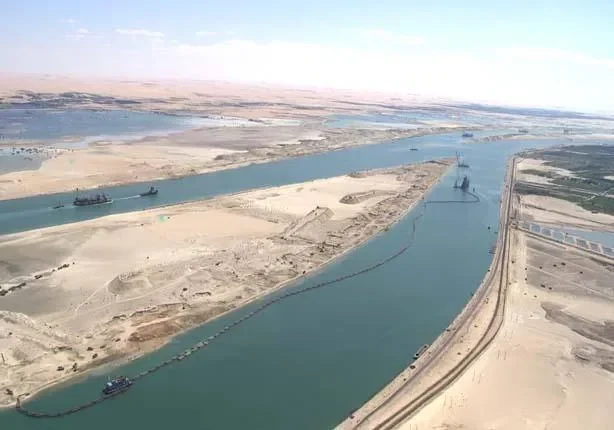
The return of large containerships to the Suez Canal is becoming visible in both traffic figures and carrier network plans. The Suez Canal Authority (SCA) recorded 166 transits by medium-sized and large containerships exceeding 130,000 tons in the third quarter of 2026, up from 16 in the same quarter a year earlier. CMA CGM says it is continuing to restore services through the canal as a permanent route.
The traffic increase also shows up in vessel capacity. From July through September 2026, the ships in those categories recorded a combined 29 million net tons, compared with 2.4 million net tons in the third quarter of 2025. That is roughly twelve times the year-earlier figure. Net tonnage measures a vessel’s usable cargo-carrying volume; it is not the ship’s weight.
For cargo owners, the scale of the vessels matters alongside the number of transits. Large containerships move high volumes on major East-West routes, and using the canal offers a shorter passage between Asia, Europe and the Mediterranean than longer alternatives. If services continue to return, shippers may have more access to these routings when planning ocean freight and replenishment schedules.
Carrier plans and canal capacity
The SCA released the quarterly figures during talks on Tuesday with CMA CGM leaders. SCA chairman Admiral Ossama Rabiee met Christine Cabau Woehrel, the group’s executive vice president for assets and operations, and Tariq Zaghloul, CEO of CMA CGM’s Egypt and Sudan Cluster. Their discussions focused on strengthening cooperation and encouraging international shipping lines to resume full use of the canal.
Cabau Woehrel reaffirmed CMA CGM’s longstanding strategic relationship with the SCA. She said the group is continuing to restore services through the canal as a permanent and sustainable route and wants to expand future cooperation. That positioning gives shippers a clearer planning signal than a single vessel passage would: the carrier is describing the corridor as part of its ongoing network.
Rabiee cited shorter sailing distances and reduced transit times as advantages for container lines facing rising fuel prices and higher freight rates for shippers. He also said the canal can accommodate the entire global container-ship fleet, with no vessel size excluded. The scale of recent transits and the passage of an ultra-large vessel offer examples of that capacity in use.
Shorter routes can reduce the distance a ship sails, which may help carriers manage fuel consumption. Faster passage can also support tighter delivery schedules, although actual arrival times depend on the full voyage and the service plan. For freight forwarders, importers and inventory teams, the practical value lies in whether a route can provide dependable lead times as well as a shorter distance.
A large vessel makes the passage
The SCA also welcomed the CMA CGM Pantheon on Tuesday during the vessel’s maiden transit through the canal. The ship has a net tonnage of 221,000 tons and crossed in the northbound convoy after sailing from Morocco toward Malaysia. Its passage puts a specific vessel behind the broader quarterly increase: large ships are again transiting the waterway.
The figures and the carrier’s stated plans point to a recovery in use of the Suez corridor by major container shipping. For shippers, the operational question is how consistently that return translates into scheduled services on the routes they use. A shorter corridor can support cost and transit-time management, while a lasting carrier plan can make the route easier to include in network and inventory decisions.
With 166 large-vessel transits in the third quarter and CMA CGM describing its restoration of canal services as permanent, the route is regaining a place in container networks. Shippers will be watching whether that activity continues across future quarters and how carriers incorporate the corridor into published schedules.