Tuesday, October 20, 2026 · Ocean Shipping & Ports
Modern Terminals and CLPe Study Electrification Options for Hong Kong Port Operations
Noted by James Miller · 577 reads
The companies will assess shore power, battery swapping and charging systems to shape a phased electrification roadmap for Modern Terminals’ Hong Kong operations.
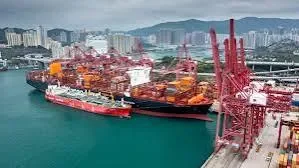
Modern Terminals and energy company CLPe will assess several ways to electrify container port operations in Hong Kong, including shore power for vessels, battery swapping for container tractors, and charging for electric vehicles and mobile equipment. Their memorandum of understanding sets up feasibility studies and technical assessments that will inform a phased roadmap for Modern Terminals’ longer-term decarbonisation plans. The agreement establishes a process for evaluating options, rather than a commitment to install any particular system.
The work will also examine power infrastructure for electric barges. Together, the options span equipment used inside the terminal and vessels serving it, so the studies will need to consider how electricity supply can support more than one part of port activity. That broader scope matters because infrastructure planned for one type of user may affect the capacity, layout, and operating choices available to others. The companies haven’t announced project costs, installation dates, or which options will advance to deployment.
Power needs across terminal operations
Shore power would allow container vessels to connect to electricity while at berth, potentially reducing the need for vessels to run onboard power sources during that time. Battery swapping for container tractors could provide another way to keep terminal vehicles in service as they shift from conventional power. Charging infrastructure would support electric vehicles and mobile equipment, while a separate assessment will look at the power needs of electric barges. Each use brings its own questions about where equipment is positioned, how energy is supplied, and how operations are scheduled.
These are distinct operating requirements. Shore power involves connections for vessels at the terminal; charging and battery swapping concern the equipment that moves containers and supports day-to-day operations. Assessing them together could help Modern Terminals understand how each option fits its facilities and decarbonisation plans. Similar port electrification assessments typically need to account for the demands of multiple users and the practical limits of existing infrastructure, though the companies haven’t described the methods they’ll use here. The source doesn’t specify the technical designs, expected power loads, or operating procedures under consideration.
For terminal managers, the practical question is how infrastructure can serve equipment and vessels without disrupting cargo operations. A charging point, a battery exchange process, and a vessel connection each require space and coordination with work already taking place at the terminal. The feasibility work is an early step toward answering that: it can establish which systems warrant further development and how a sequence of projects might fit the operator’s longer-term aims. No implementation timetable has been given.
Electrification within a wider emissions plan
Modern Terminals Group Managing Director Horace Lo said the company has set a 2030 target to eliminate direct greenhouse gas emissions from its operations. He described electrification as a key long-term pathway as battery technology advances, with other alternative green fuels also part of the company’s approach. Modern Terminals also aims to support shipping lines and barge operators as they make their own transitions. The distinction between its own operations and the wider port community is central to understanding the scope of the target.
That distinction matters for planning: the stated 2030 target concerns the company’s direct operational emissions, while the announced studies include systems that could also support vessel and barge operators. A port can provide infrastructure that enables other operators to change how they work, but that doesn’t by itself establish who will invest in or operate each system. The companies haven’t detailed how emissions reductions would be measured or apportioned across those activities.
CLPe Managing Director Ringo Ng said the company is working on options for port electrification as well as green marine fuel bunkering for ocean-going vessels. In this agreement, CLPe will bring its energy infrastructure expertise to the studies, while Modern Terminals contributes its knowledge of port operations. That division of experience gives the assessment a practical focus: energy supply has to work within the constraints of a live cargo terminal. The memorandum describes joint development work; it doesn’t confirm that any specific equipment or energy system has been ordered.
What the assessment can clarify
The feasibility studies and technical assessments are intended to turn the list of possible solutions into a phased roadmap. That process should help identify which measures can support Modern Terminals’ goals and what infrastructure each would require. It may also clarify how the different applications relate to one another, since vessel connections, vehicle charging, battery swapping, and barge power could compete for resources or require separate arrangements. For now, the concrete development is the assessment program itself: the companies have named potential applications, but have yet to disclose results, project locations within the port, or deployment dates.
The next useful markers will be the studies’ findings and any subsequent decisions on scope, sequencing, and investment. If you’re working in this space, the detail to watch is whether the roadmap connects proposed equipment to practical operating requirements, rather than simply listing technologies. (And this is the part most people overlook.) Infrastructure plans have to account for the routines of vessels, vehicles, and cargo handling at the same time. A roadmap that does that could help distinguish options ready for further planning from those that remain technically possible but operationally uncertain.
Implications for port users
For shippers and other port users, the memorandum signals that electrification is being examined across several links in terminal activity, including vessels and the equipment moving cargo onshore. That breadth could matter over time because changes to energy infrastructure may affect how operators plan vessel calls, equipment use, and coordination at the port. The announcement doesn’t say that users will face immediate operational changes, and it gives no basis for estimating costs or timing.
This is more significant than it looks, but the evidence is still at the planning stage. The studies could give Modern Terminals and CLPe a clearer basis for choosing what to pursue, while leaving open how quickly any option can be delivered and who would take part. And yet, naming multiple applications is only the start: the eventual value will depend on whether the proposed systems fit the terminal’s operating needs and support the emissions goals the company has stated. For now, the memorandum is an exploratory step toward electrification, with several equipment and vessel applications under review.