Tuesday, October 20, 2026 · Ocean Shipping & Ports
Walmart Opens 900,000-Square-Foot Stockton Fulfillment Center
Noted by Robert Brown · 313 reads
Walmart’s new Stockton center uses automated storage and retrieval to shorten fulfillment from 12 steps to five and expand West Coast order capacity.
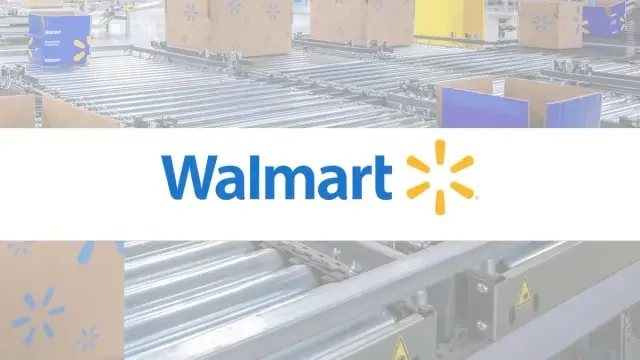
Walmart’s new fulfillment center in Stockton, California, is built to increase online order capacity across the West Coast. The facility covers more than 900,000 square feet and uses automated storage and retrieval to bring products to workers, reducing the number of steps in the company’s fulfillment process from 12 to five.
Opened Oct. 8, the Stockton site is the fifth in Walmart’s network of fulfillment centers built around automation, machine learning and faster order processing. Its role is distinct from a distribution center: distribution centers replenish stores, while fulfillment centers handle online orders. Together, the two types of facilities support different stages of Walmart’s goods movement.
Storage system brings inventory to associates
The Stockton operation centers on a high-density storage-and-retrieval system. It stores inventory in a compact footprint and delivers products directly to associates, who would otherwise need to travel through the warehouse to find items. That shift cuts repetitive manual work and can reduce the distance workers cover during order picking.
The company says the technology increases storage capacity and enables the facility to fulfill more orders each day. The reported reduction from 12 steps to five also means fewer handoffs in the process. Each removed step can reduce the number of points where an order waits to be handled, although the source does not provide order volume, processing-time or labor figures for the Stockton site.
For fulfillment teams, the operating change is the key detail: inventory is positioned and retrieved through an automated system, then brought to associates for order processing. That arrangement changes how workers interact with stored products and how orders move through the building. The source does not describe the specific equipment configuration, staffing levels or delivery routes serving the center.
Stockton extends a multiregion network
Walmart first outlined plans for this type of facility in 2022. The company said the centers could place 75% of the U.S. population within reach of next-day or two-day shipping. Stockton adds a West Coast location to a network that already spans the Midwest, South and Northeast, extending the fulfillment footprint into a region the company describes as among the country’s most demand-intensive.
The 75% figure was tied to the network plan; the source does not say what share of the population is now covered or give a separate service-area estimate for Stockton. The practical effect of adding a site depends on its inventory, order volume and the areas it serves. The opening establishes additional capacity in the region, while the company’s stated delivery reach provides the broader network context.
For shippers and supply chain teams, the distinction between additional capacity and a confirmed delivery-time change matters. Walmart says each new site is intended to increase order capacity, but it provides no Stockton-specific throughput target or shipping commitment. The facility’s size and process design indicate the scale of the operation; they do not, on their own, quantify how many orders it will handle or how quickly an individual shipment will arrive.
Automation spans fulfillment and distribution
Stockton is part of Walmart’s wider effort to automate its U.S. supply chain. The company plans to automate all 42 of its U.S. distribution centers, with more than 20 already being updated. Those projects address the replenishment network that feeds stores, while next-generation fulfillment centers process online orders. Taken together, the work targets capacity at both points in the operation.
Two other projects illustrate the range of changes underway. In January, Walmart outlined plans to invest more than $330 million in robotics and automation at a distribution center in Louisiana, with the aim of doubling that facility’s shipping capacity. In June, the retailer described the final phase of a distribution center remodel in Texas, including new electrical and material-handling equipment.
The projects differ in scope and facility type, so their figures should not be read as Stockton targets. The Louisiana capacity goal applies to that distribution center, and the Texas work centers on a remodel. Stockton’s reported operational measure is the reduction of fulfillment steps from 12 to five; the source gives no comparable shipping-capacity goal for the California center.
That separation is useful when assessing Walmart’s network changes. Distribution-center automation supports the flow of goods into stores, while fulfillment-center automation supports online order handling. Stockton adds another node for e-commerce fulfillment on the West Coast, and its high-density system is designed to store more inventory while bringing selected products to associates. The next measure to watch is how the site’s added capacity translates into order throughput and service coverage; those figures have not been provided.


