Monday, October 19, 2026 · Ocean Shipping & Ports
Levi Strauss to Put $60 Million in Tariff Refunds Toward Logistics, Marketing and Promotions
Noted by John Johnson · 337 reads
Levi Strauss plans to direct about $20 million of its tariff refunds to distribution and logistics, with equal amounts for marketing and promotions.
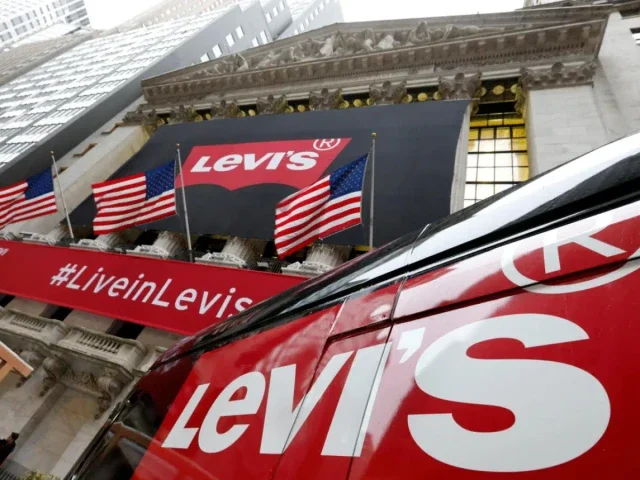
Levi Strauss plans to turn most of a recent tariff refund into spending on logistics and holiday demand. The denim company received roughly $80 million in refunds last quarter and expects to reinvest about $60 million, or three-quarters of the total, across distribution and logistics, marketing, and promotional activities.
Harmit Singh, Levi Strauss’ executive vice president and chief financial and growth officer, outlined the allocation on the company’s Oct. 7 earnings call. Each of the three areas is slated to receive about $20 million. The distribution and logistics share represents one-third of the planned reinvestment; marketing and promotions split the other two-thirds evenly.
Logistics spending is timed for the peak season
Most of the supply chain spending is expected to take place in the current quarter, aligning the work with Levi Strauss’ peak selling period. The company hasn’t specified which facilities, systems, equipment or processes will receive the logistics funding, so the practical changes aren’t yet clear. The disclosed amount does, however, put distribution and logistics on equal footing with each of the two customer-facing spending areas.
For a retailer preparing for its busiest selling period, logistics work can affect how products move through distribution and reach stores or customers. The source doesn’t identify a particular bottleneck or promise a specific service improvement. That makes the timing more concrete than the operational scope: most supply chain investment is planned for this quarter, but the company hasn’t described the projects in detail.
A small portion of the refund has already gone toward inventory clearance ahead of the holidays. Levi Strauss hasn’t disclosed the amount or named the products involved. The clearance activity is distinct from the planned $60 million allocation, which Singh described as a broader balance of supply chain investment and commercial spending.
Demand spending shares the allocation
Marketing and promotional activities each account for about $20 million. The equal split gives those efforts together about $40 million, twice the amount assigned to distribution and logistics. The company has not provided details about campaign channels, promotional offers, timing or product categories.
The allocations point to two connected priorities for the holiday period: supporting the movement of goods and encouraging consumer purchases. The logistics portion is aimed at supply chain capabilities, while marketing and promotions are intended to support demand. With no project-level detail disclosed, the clearest operational measure to watch is whether Levi Strauss provides more information about distribution work as the current quarter progresses.
Refunds factor into a higher profit forecast
Levi Strauss also raised its annual profit forecast during the quarter, citing both the benefit of the refunds and its expectations for holiday demand. The company’s stated financial framework calls for mid-single-digit annual revenue growth and a gradual expansion of operating margins toward 15%. Singh said the allocation was designed to support near-term growth while keeping the company on track toward those longer-term aims.
The roughly $80 million refund is a benefit recorded last quarter; the planned reinvestment is a separate decision about how to use most of that amount. Directing about $60 million to three operating and commercial areas means the refund will support activity beyond the quarter in which it was received. The source does not break out how the remaining roughly $20 million will be used.
For shippers and supply chain teams, the most relevant detail is the planned timing and scale of the logistics allocation. About $20 million is earmarked for distribution and logistics, with most of that supply chain spending expected in the current quarter. The next useful signals will be any details on the work itself and whether Levi Strauss connects it to changes in its distribution operations.
For now, the company has described a funding plan rather than specific operational targets. Its approach pairs near-term holiday spending with investment intended to strengthen the business over time, while the raised profit forecast reflects the refund benefit and expected seasonal demand. The coming quarter will show how much of the logistics spending translates into changes that can be seen across the supply chain.


