Tuesday, November 17, 2026 · Warehousing & Fulfillment
Winter Fuel Planning: Six Steps to Protect Fleet Uptime
Noted by [email protected] (PS Energy Group) · 300 reads
Plan winter fuel grades, storage maintenance and backup deliveries to reduce cold-weather risks to fleet reliability and service.
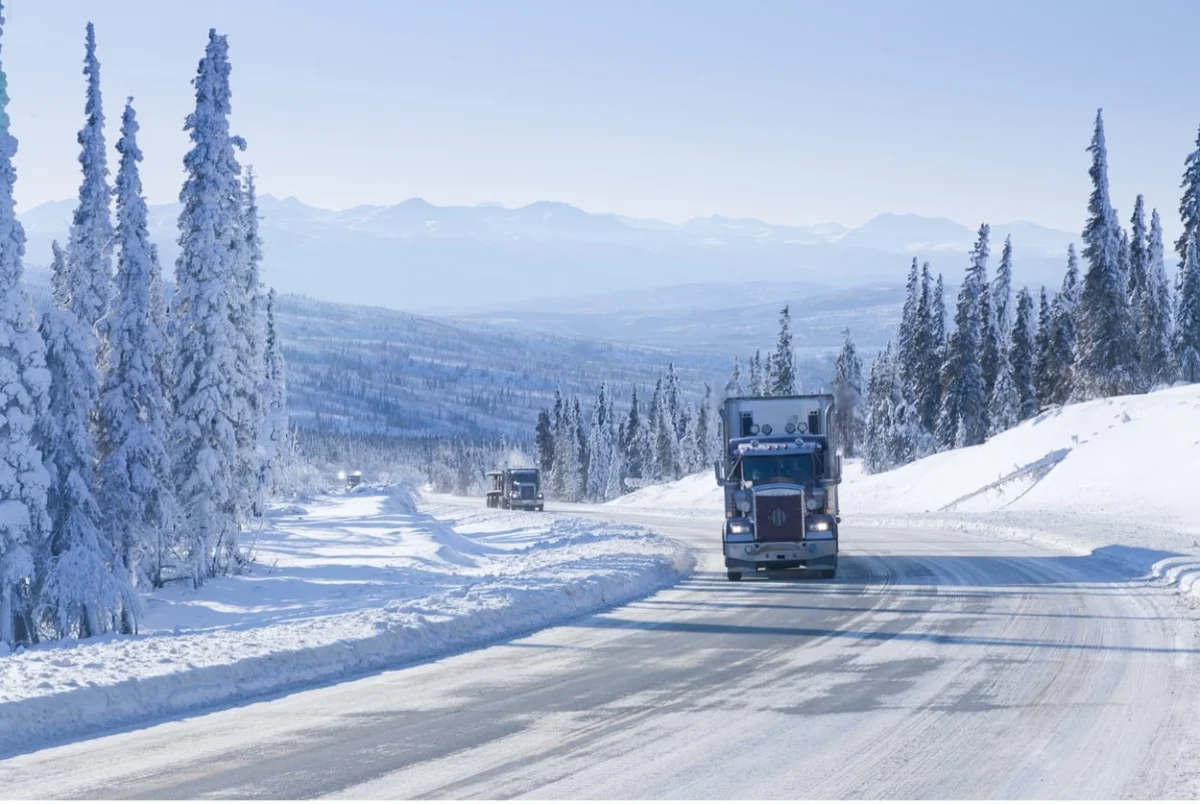
Winter fuel planning affects whether vehicles start, equipment stays available and deliveries keep moving when temperatures fall. For fleets running across regions, the work starts with the coldest conditions on their routes and extends from fuel selection to storage, replenishment and day-to-day monitoring.
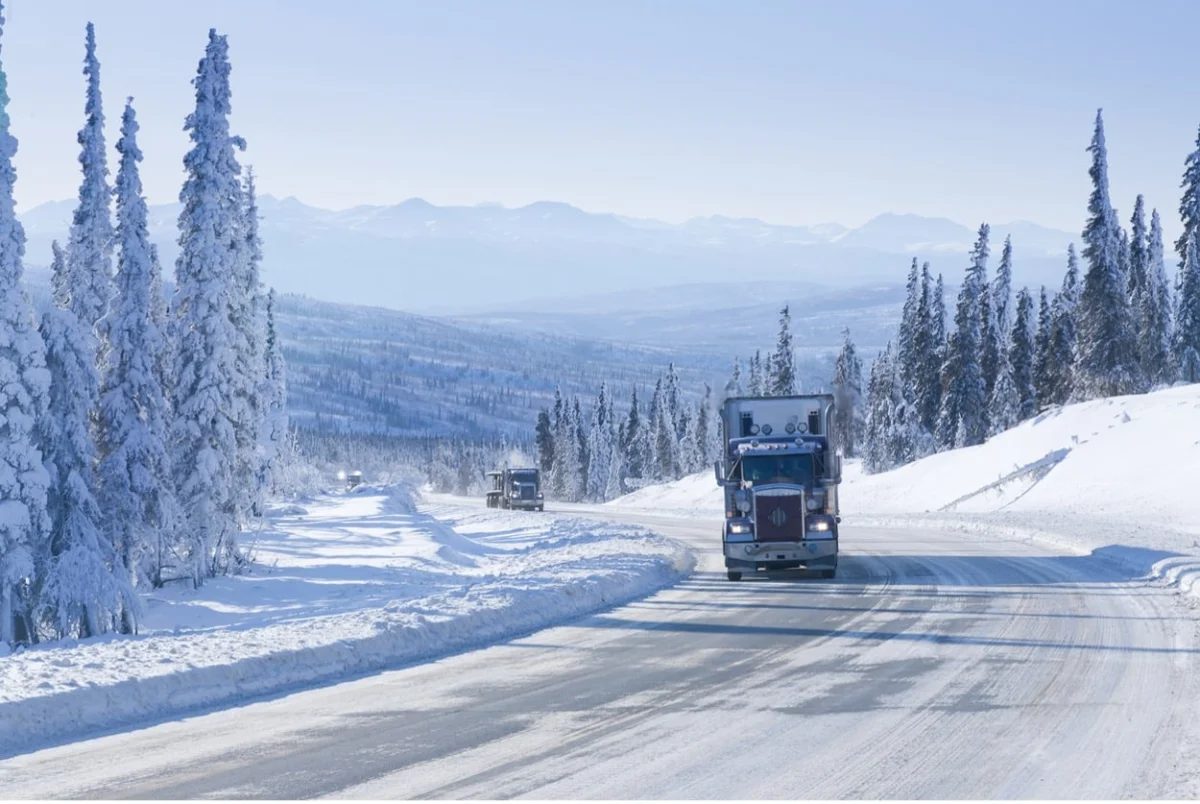
Diesel needs particular attention. As temperatures drop, paraffin wax in diesel can crystallize. When crystals accumulate, they can restrict fuel flow or clog filters, leading to hard starts, weaker engine performance and downtime. Gasoline doesn’t gel in the same way, but cold can still make engines harder to start, especially when batteries are weak.
Map exposure before choosing a winter fuel plan
Fleet needs depend on where vehicles operate, what equipment they use, how much fuel they consume and when they run. A fleet working across several regions may encounter very different temperatures in a single operating cycle. Planning around the coldest temperatures on the route helps reduce the chance that a fuel choice suited to one area will underperform elsewhere.
Review routes and schedules alongside fuel consumption, on-site storage capacity and access to fueling locations. This gives managers a practical picture of where supply or performance could become a constraint: a vehicle may face severe cold far from its usual fueling point, or a site may have limited capacity to hold fuel ahead of a storm.
That assessment should guide both the fuel specification and the operating plan. The aim is to connect expected conditions with the fleet’s actual equipment and replenishment needs, rather than treating winter preparation as a single seasonal purchase.
Match diesel and additives to conditions
Winter-grade diesel and blends of No. 1 and No. 2 diesel can improve cold-weather performance and lower the risk of gelling. Approved anti-gel additives may offer further protection by limiting the growth of wax crystals that can impede fuel flow.
Fuel and additives don’t perform identically in freezing temperatures. Fleet managers should work with their fuel supplier to select options suited to vehicle and equipment requirements, expected temperatures and operating patterns. Manufacturer recommendations should guide the choice of both fuel and additives.
The operational point is to settle those choices before cold conditions arrive. A fuel plan works only when the selected product is available where and when the fleet needs it, and when storage and delivery arrangements support its use.
Keep stored fuel clean and tanks maintained
Fuel quality can deteriorate as an operational concern when tanks contain water, dirt or sediment. In winter, water can freeze and restrict fuel flow or contribute to filter blockage. Leaks and neglected equipment can add further complications even when the fuel itself is appropriate for the weather.
Before winter, inspect storage tanks for water, sediment and leaks. Set a routine for checking fuel filters, inspecting water separators and monitoring stored fuel quality. Some fuel providers offer these maintenance services. A regular schedule makes it easier to spot a developing issue before it interrupts vehicle availability.
Keeping vehicle and equipment tanks relatively full at the end of each shift can also reduce condensation and leave units ready for the next workday. That practice supports readiness, but it works best alongside clean storage, equipment checks and a replenishment plan that keeps fuel accessible.
Build a delivery contingency around storm access
Winter storms, icy roads and very low temperatures can delay fuel deliveries or make fueling stations difficult to reach. A short interruption can become costly downtime if the fleet has no clear fallback.
Use fuel consumption history to estimate how much inventory is needed to maintain operations during severe weather. Where storms are expected, consider arranging deliveries in advance and identifying alternate fueling locations along routes. The right coverage depends on the fleet’s usage, storage capacity and the places where it can refuel.
Discuss delivery schedules, emergency fueling options and possible supply disruptions with the fuel provider before weather threatens access. Clear arrangements give dispatch and fleet teams more room to respond if a delivery window changes or a usual fueling point becomes unavailable. The practical test is whether the backup plan identifies usable fuel sources and enough inventory to bridge a disruption.
Track performance and revise the plan
A winter fuel strategy needs attention throughout the season. Monitor fuel consumption, vehicle and equipment performance, weather forecasts and fuel-related maintenance issues. Together, these signals can show whether usage is changing, whether equipment is having trouble and whether the existing supply plan needs adjustment.
Fuel management technology can give teams visibility into purchases, consumption patterns and inventory levels. That information can support decisions about purchase timing, delivery schedules and stock levels as weather changes. It can also help identify inefficiencies and cost-control opportunities without relying on a single end-of-season review.
The useful routine is to compare operating conditions with what the plan anticipated. If consumption shifts or maintenance problems emerge, managers can revisit delivery timing, inventory and fueling access while there is still time to adjust. Winter remains unpredictable, but a plan built around route exposure, suitable fuel, maintained storage and monitored supply gives fleets a clearer path to keeping vehicles ready and service on schedule.