Wednesday, September 30, 2026 · Ocean Shipping & Ports
Holiday Inventory Visibility: What Brands and 3PLs Need to Know in October
Noted by James Rodriguez · 829 reads
Holiday fulfillment depends on inventory arriving, getting processed and reaching the right location before customer orders surge.
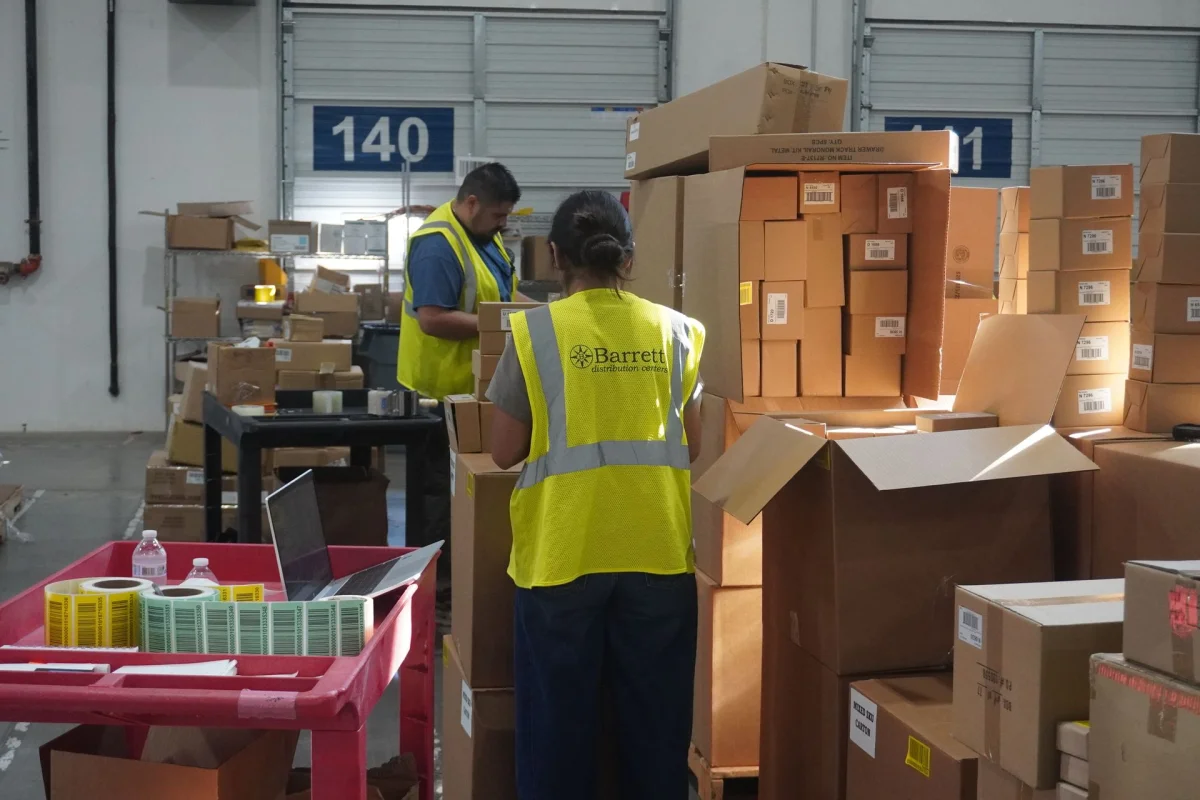
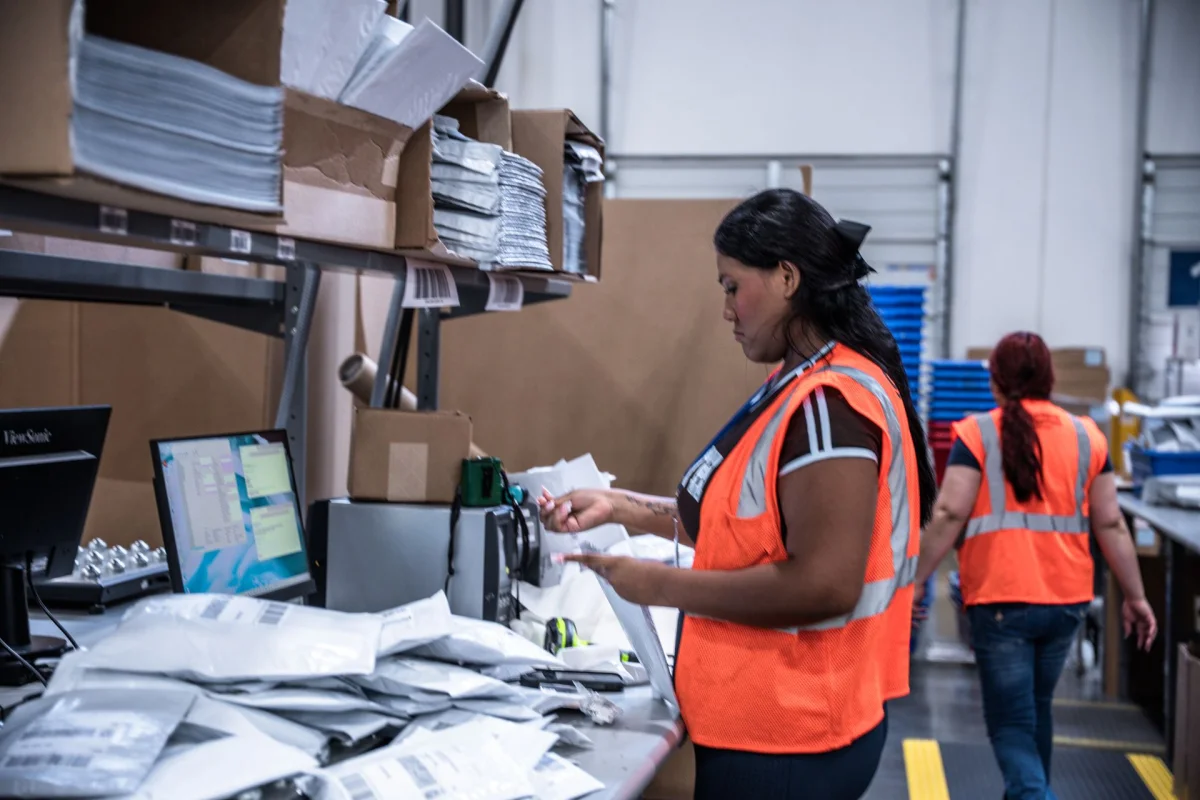
Holiday fulfillment can be constrained before the first order ships. By October, brands need a working view of what inventory is already at their fulfillment centers, what is still moving, when it is expected and what steps remain before it can be picked and packed. A purchase total or sales forecast alone cannot answer those operational questions.
That visibility matters because inbound receipts and outbound orders can intensify during the same stretch. Warehouses may need to receive and count incoming products, assign storage, and prepare inventory for picking while customer orders are rising. If shipments arrive later than planned or arrive in concentrated volumes, the fulfillment team needs to know early enough to plan around them.
Plan backward from the demand window
Holiday planning often centers on shipping orders for Black Friday, Cyber Monday and the rest of the season. But those outbound deadlines depend on work that happens earlier: suppliers ship goods, facilities receive them, inventory records are updated, and products are made available for sale. The useful planning question is therefore not just when sales will peak, but when each product must arrive to support that peak.
Harrison Smith, Director of Commercial Revenue at Barrett Distribution Centers, says that timing depends on the brand’s sales pattern. With roughly 20 years in the third-party logistics industry, he asks: “When do you need to bring your inventory in to service that holiday peak, or is it a summer peak because you sell swimsuits or whatever it might be?”
That question applies beyond holiday merchandise. A brand’s busiest period may fall in a different season, and the inbound schedule needs to account for the time between arrival and availability. For a November sales increase, the relevant planning starts before November: teams need to establish what should be in the building, when it will arrive and what receiving work must happen first.
Look at product flows, not just monthly averages
A typical month can hide the pressure created by a seasonal surge. Brands should compare activity across the year and identify when orders rise, when inbound shipments cluster, and whether those patterns overlap. As Smith puts it, “It’s looking at yearly trends, looking at within the year, what does that look like? Do you have those peaks?”
For fulfillment teams, the answer has practical consequences. A large receipt may require counting, system updates and storage at the same time that more orders need to be picked, packed and shipped. The workload depends on the products, timing and volume involved; a single average figure may not show when the operation will face the greatest coordination demands.
Brands can make the inventory picture more useful by distinguishing goods already received from goods in transit and goods that are expected but not yet confirmed at the facility. They should also clarify whether incoming products need additional handling before they are ready for orders. These details help the brand and its logistics provider discuss the actual sequence of work rather than treating all purchased inventory as immediately available.
Share changes with the fulfillment team
A third-party logistics provider can plan around the information it receives. Brands should pass along changes to expected arrival dates, unusually large inbound shipments, products likely to draw concentrated demand, and meaningful changes to the assortment or sales plan. When the forecast shifts, the operating plan may need to shift with it.
Smith says his conversations with brands are intended to build a detailed understanding of how each business works. “When I work with brands, I wanna understand everything about the business.” That context can help fulfillment teams understand the pattern behind a forecast, rather than seeing only one seasonal total.
Forecasts will change, and a brand cannot know every customer order in advance. The planning goal is to give the people handling inventory enough information to respond as conditions develop. A revised shipment date or promotion plan is more useful when shared before it affects receiving and order processing.
Use October to check what happens next
Before asking whether a fulfillment operation is ready for holiday order volume, brands can check whether the inventory that will support those orders has a clear path into the building and through receiving. Useful questions include: What has arrived? What remains in transit? Which expected shipments have changed dates? Are any unusual receipts coming? What needs to happen before each product is available to pick?
Those checks connect sales planning with warehouse execution. Marketing calendars, product launches and sales targets depend on inventory being in the right place and ready for fulfillment. By the time a customer places an order, much of the work that makes shipment possible should already be complete.
The practical takeaway is to track each shipment through its next operational step, not simply mark it as purchased or on the way. Brands that can explain where holiday inventory is, when it is expected and what remains before it is order-ready give their fulfillment teams a clearer basis for preparing for the season.