Wednesday, September 30, 2026 · Ocean Shipping & Ports
Massachusetts Warehousing Can Bring New England Orders Closer to Customers
Noted by Robert Brown · 394 reads
Regional inventory can reduce shipping distance for New England orders, but delivery speed also depends on stock placement, warehouse operations and transportation.
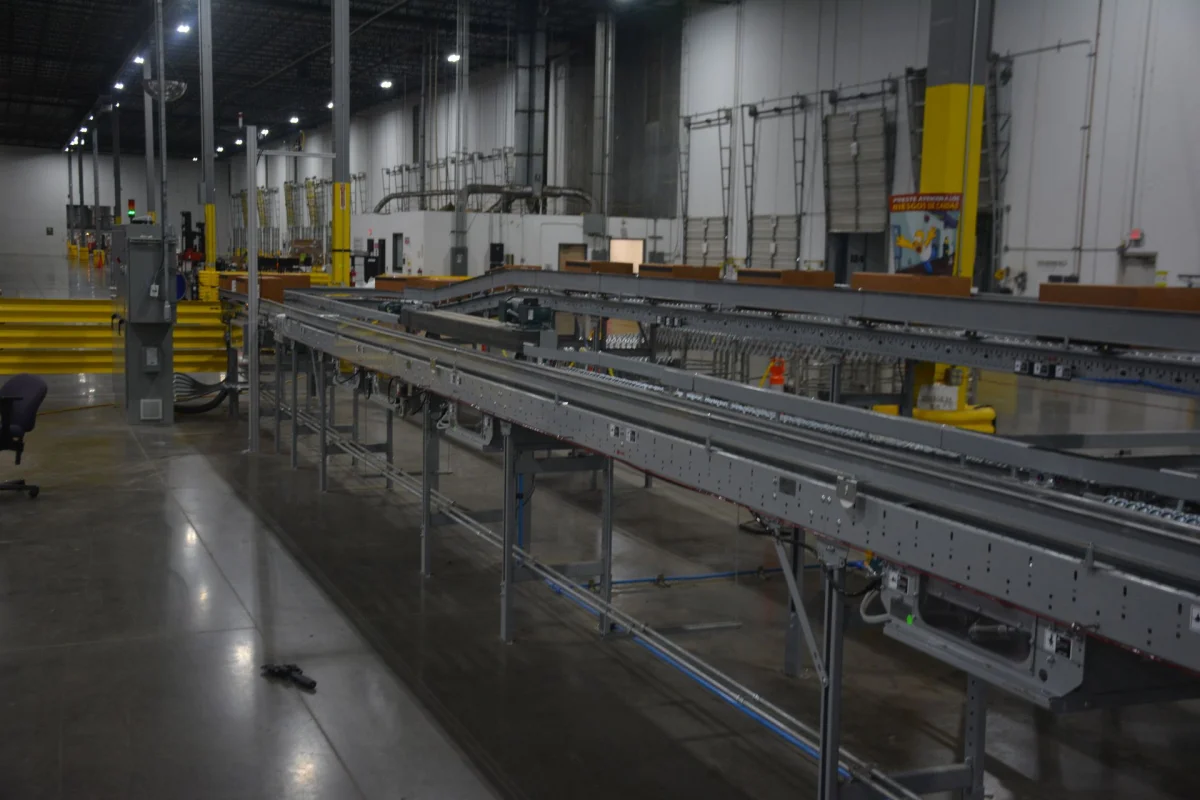
For brands serving customers across New England, a Massachusetts warehouse can shorten the distance between stored inventory and many delivery destinations. That can give fulfillment a closer starting point, but the warehouse address alone won’t determine when an order arrives. Stock availability, order processing, carrier service and transportation planning all shape the result.
Barrett Distribution operates multiple facilities in the Greater Boston area within its national third-party logistics network. Its Massachusetts presence gives brands one option for regional warehousing and omnichannel fulfillment as part of a wider distribution plan.
Start with where orders go
A regional facility is most relevant when a meaningful share of a brand’s customers, retailers or other delivery points are in Massachusetts and nearby New England states. If orders are currently shipping from a more distant location, placing selected inventory closer to those destinations may reduce the miles those shipments need to cover.
The practical question is how much demand the region represents and where that demand sits. A brand can review order destinations, sales channels and transportation patterns to see whether New England is a distinct fulfillment area or simply one part of a more dispersed customer base. The answer should guide which products are held regionally and in what quantities.
Location by itself does not guarantee faster delivery. A nearby item can’t ship if it is out of stock, and a warehouse cannot make up for delays in order release or carrier transit. The value of regional storage depends on how well inventory and operations line up with the orders the facility is expected to serve.
Match inventory to demand
Inventory placement is the link between a warehouse location and the orders it can fulfill. Brands need to decide which products belong in Massachusetts based on where orders originate and how demand varies across their catalog. Holding the right items close to customers can make the site useful; spreading stock too thinly can leave the needed product elsewhere.
Inventory visibility helps teams track what is available, what is moving in or out, and how fulfillment activity changes as demand shifts. That information can support decisions about replenishment and product placement across one or more facilities. It also helps teams identify when a regional location is serving its intended role and when the distribution plan may need adjustment.
For companies selling beyond New England, a Massachusetts facility can operate as one node in a multi-location network. In that setup, the regional site serves the demand it is positioned to handle, while other facilities support customers in other areas. The network’s usefulness depends on coordinating inventory across locations and avoiding gaps between expected demand and available stock.
Plan for different order types
One facility may handle both business-to-consumer ecommerce orders and business-to-business or retail shipments, provided the operation has processes suited to each. Ecommerce often involves picking and packing individual orders. Retail and other business shipments can have different preparation, routing and handling needs.
Those workflows affect how quickly an order moves from receipt to dispatch. A warehouse serving multiple channels needs clear processes for receiving orders, selecting stock, preparing shipments and handing them off for transport. Barrett supports B2B and B2C omnichannel fulfillment, warehousing and distribution, transportation management, retail compliance and value-added services. For brands, the operational question is whether the available services and workflows fit the requirements of their own products and customers.
Connect the warehouse to transportation
Once freight leaves a facility, transportation determines its next leg. Carrier options, planning and coordination therefore matter alongside the distance from warehouse to customer. A regional location may provide a useful starting point, while the transportation plan determines how shipments move from there.
Coordinating warehouse and transportation activity can help teams manage fulfillment as a connected process. When those functions are considered together, it is easier to assess how inventory availability, order handling and carrier service contribute to the delivery timeline. Barrett combines warehousing and fulfillment with managed transportation capabilities, giving brands one possible way to coordinate those operations.
Evaluate the location with operating data
Before adding a Massachusetts warehouse, brands can weigh customer locations against inbound freight, order volume, product needs, sales channels and available carriers. Future growth also matters: a site chosen for today’s delivery pattern should fit the distribution strategy as the business develops. The decision is specific to each network, and Massachusetts won’t necessarily be the best fit for every company serving the Northeast.
A useful assessment looks beyond the warehouse’s position on a map. Teams can consider which orders a site would handle, which products it would stock, how inventory would be replenished, and how shipments would connect to transportation service. These questions help distinguish a location that simply appears close from one that can support the company’s actual fulfillment flow.
For brands with concentrated New England demand, Greater Boston facilities may offer a regional base within a broader logistics network. The delivery benefit depends on putting suitable inventory there and coordinating the work from order receipt through carrier handoff. That’s the practical test: whether the location and operating plan fit the orders the business needs to move.
Common questions
Why use a warehouse in Massachusetts?
A Massachusetts facility can place selected inventory closer to customers and retail destinations across New England, creating a regional base for fulfillment and distribution.
Can a Massachusetts 3PL handle ecommerce and retail orders?
An omnichannel provider can support both B2C and B2B fulfillment, though each order type may require its own handling and preparation workflow.
Does Barrett have facilities in Massachusetts?
Barrett’s distribution network includes multiple facilities in the Greater Boston area.
Is Massachusetts the right warehouse location for every Northeast business?
No single location fits every network. Customer geography, order volume, inbound transportation, inventory requirements, sales channels and the broader distribution plan all affect the decision.
Contact Barrett Distribution Centers to discuss its services.


