Wednesday, November 4, 2026 · Warehousing & Fulfillment
Tire Pressure Checks Help Protect Exotic Cars in Long-Term Storage
Noted by admin · 461 reads
Monthly pressure checks can catch air loss, flat spotting and visible tire damage before a stored exotic returns to the road.
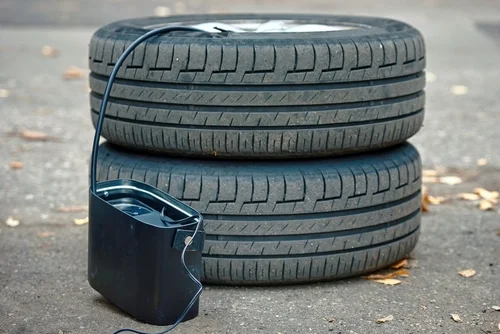
A parked exotic can develop tire concerns without adding a mile to its odometer. Air pressure may fall gradually, and a tire that looks normal from across a garage can already be below the vehicle maker’s recommended level. For owners arranging storage for a luxury car in Los Angeles, tire checks are a practical part of planning for the vehicle’s eventual return to service.
The main benefit is early notice. Checking pressure during storage can show a slow change before the next drive, help identify a tire that is losing air faster than the others, and clarify whether inflation needs attention. That gives owners time to arrange an inspection or adjustment before pickup rather than discovering a concern as they prepare to leave.
Use pressure readings, not appearance
A tire’s appearance alone doesn’t reliably show whether it has enough air. Check pressure at least once a month with a gauge, using the vehicle maker’s recommended cold inflation value. That specification is listed in the owner’s manual or on the tire information placard. The pressure printed on a tire’s sidewall is not the vehicle’s recommended setting.
- Track gradual loss: Record readings over time so a slow decline is easier to spot.
- Compare tires: Look for one tire that loses pressure faster than the others.
- Set inflation correctly: Use the vehicle’s specified cold pressure instead of judging by how the tire looks.
- Plan before pickup: Identify readings that need attention before the vehicle is driven.
Many modern exotic cars have a tire pressure monitoring system (TPMS), but it doesn’t remove the need for manual checks. A dashboard alert generally appears only after pressure has fallen substantially. A gauge can reveal a smaller change earlier, which is useful when a vehicle will remain parked for an extended period.
Owners without appropriate garage space at home can ask a storage provider whether staff can check tire pressure during longer stays. It helps to agree on the check frequency and how any readings that need attention will be reported.
Storage time, tire age and flat spotting
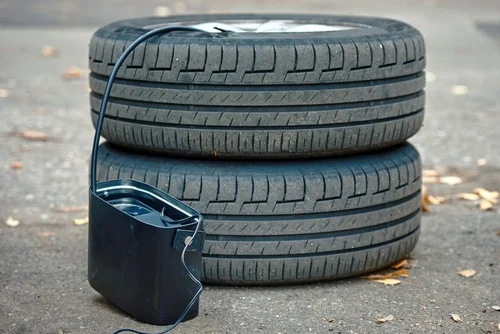
There isn’t a universal number of weeks or months after which a stored tire automatically becomes unsafe. Its age and condition, the storage environment, and the tire maker’s recommendations all matter. Owners should consider those factors together when deciding what monitoring or precautions are appropriate for a particular vehicle.
Tread depth can remain substantial while a tire ages. Heat, sunlight and unsuitable storage conditions can contribute to deterioration over time, so low mileage alone doesn’t establish that a tire is ready for use. Indoor, climate-controlled storage reduces some exposure to environmental conditions, but it doesn’t stop age-related changes. Checking the tire’s manufacture date and following the tire maker’s guidance can help inform an inspection or replacement decision.
How a parked position can affect tires
When a vehicle stays in one place for weeks or months, its weight rests on the same sections of the tires. That pressure can contribute to flat spotting: a temporarily or persistently flattened area where each tire contacts the floor. The result may be noticeable when the car is driven again, though the effect depends on the tire and storage conditions.
Some tire makers may recommend moving the vehicle periodically or taking other precautions for a long storage period. The right approach depends on the model, tires and expected duration. Owners should check the relevant recommendations and confirm with the storage facility whether it can carry out any requested measures.
Inspect before the first drive
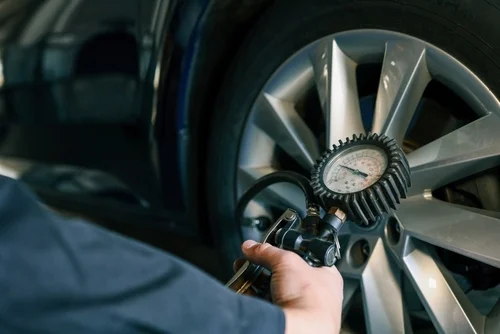
Before an exotic returns to regular use, check its tires while they’re cold and compare the readings with the vehicle maker’s specified values. A walkaround adds a second layer of information: look over the tread and sidewalls for cracks, bulges or unusual deformation. Check the manufacture date and consult the tire maker’s recommendations on age and replacement.
- Pressure: Measure each tire and address readings outside the recommended range.
- Condition: Look for visible damage, cracking, bulges and changes in shape.
- Age: Find the manufacture date and review the tire maker’s guidance.
- Repeated air loss: Arrange a professional inspection if pressure continues to drop or a tire appears damaged.
Repeated pressure loss or visible damage deserves attention before the vehicle goes back into regular use. A tire check is one part of preparing a stored car; battery care may also be needed during a long period off the road, depending on the model and its electrical system.
Planning storage in Los Angeles
JP Logistics describes its facilities as climate-controlled indoor spaces for exotic and other high-value vehicles, with 24/7 monitoring and staff experienced with specialty models. The company also offers customizable arrangements and optional maintenance checks. Owners can ask specifically whether tire pressure will be checked, how often checks take place, and how the facility handles a reading or visible concern that needs follow-up.
Whether the car is usually driven near the Griffith Observatory or elsewhere in Los Angeles, a clear storage plan can account for its tires while it is parked. Confirming the vehicle’s pressure specifications, checking tire age and condition, and agreeing on any periodic monitoring make the handoff back to the road easier to plan.
For an extended stay, the useful takeaway is simple: keep track of pressure and tire condition during storage, then inspect again before the first drive. Ask the vehicle and tire makers which precautions fit the specific car, and make sure the storage arrangement can support them.