 Ocean Shipping & Ports
Hacı Sami Bey’s Fleet: Two Ships, Changing Names and Coastal Routes
Records trace Hacı Sami Bey’s İnönü II and Nusret through changing owners, names and routes, while family accounts add a personal history.
Supply Chain Tech
Ocean Shipping & Ports
Hacı Sami Bey’s Fleet: Two Ships, Changing Names and Coastal Routes
Records trace Hacı Sami Bey’s İnönü II and Nusret through changing owners, names and routes, while family accounts add a personal history.
 Ocean Shipping & Ports
Black Sea Storm Sends Vessels to Amasra as Port and Road Disruptions Spread
Winds reached 80 km/h in Amasra, where vessels sought shelter as flooding, outages and road closures affected nearby communities.
 Warehousing & Fulfillment
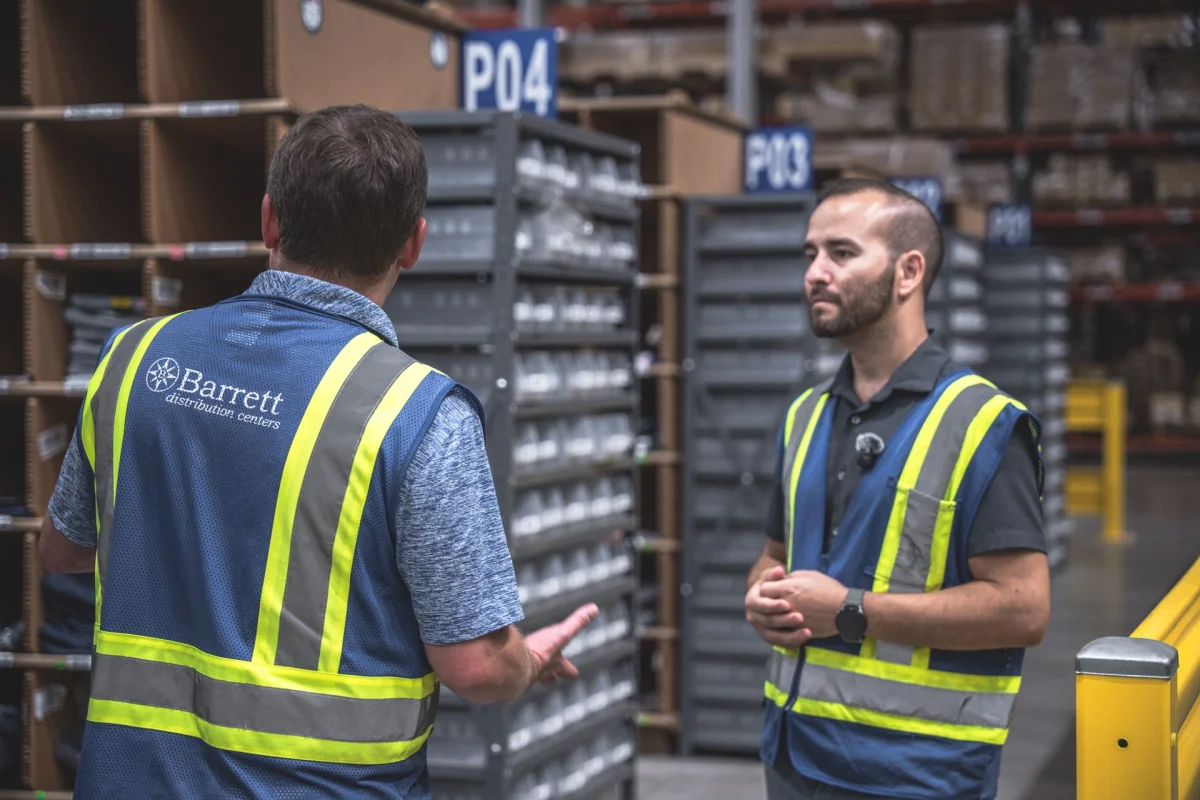
Inventory Accuracy Gives 3PLs a Clearer Path From Stock to Shipment
Accurate locations and quantities help 3PLs prevent search delays, protect order availability and give brands a clearer view of fulfillable stock.
 Warehousing & Fulfillment
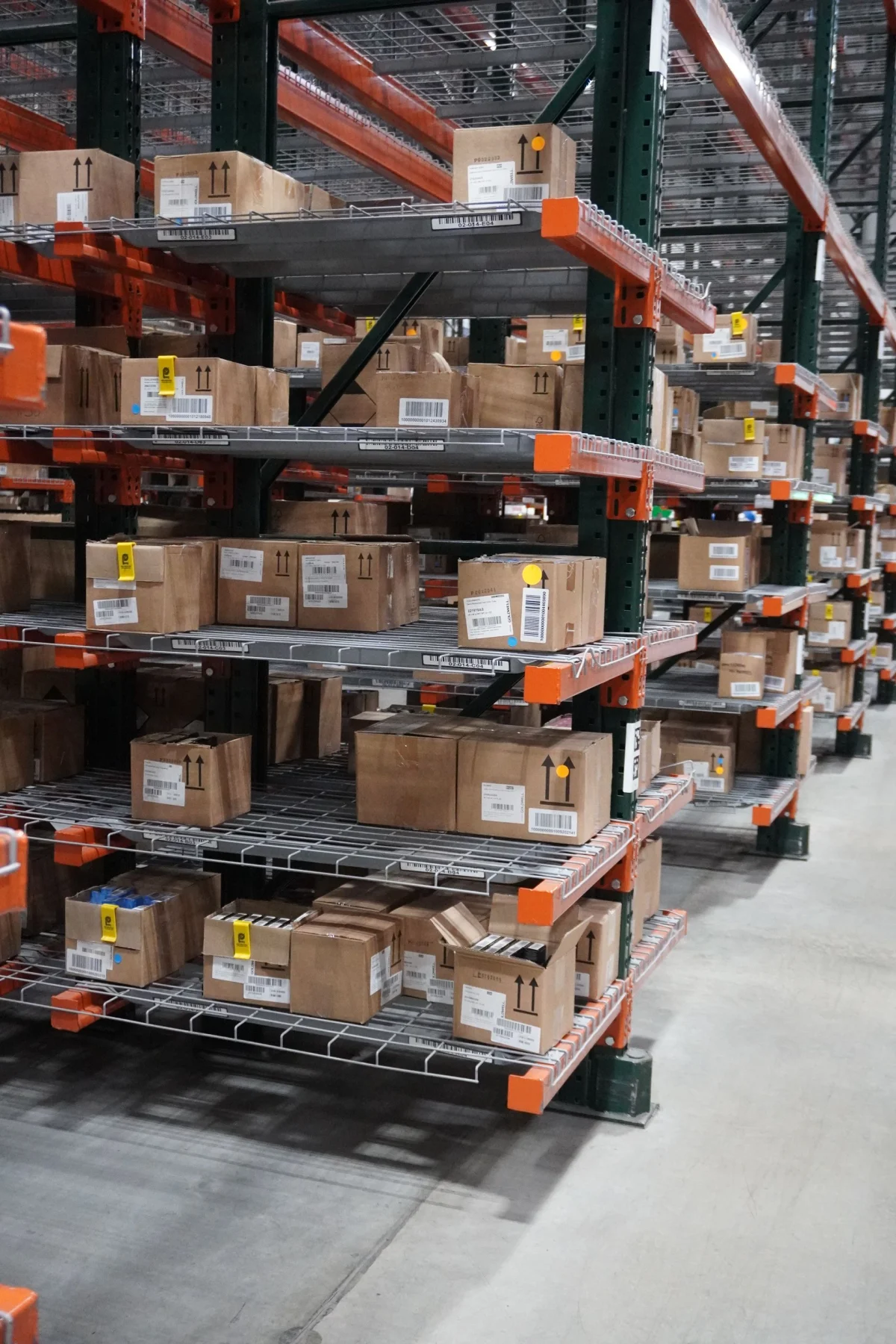
How 3PL Value-Added Services Prepare Goods for Retail and Ecommerce
Kitting, labeling, repackaging and retailer-specific preparation help brands manage different fulfillment needs through one 3PL operation.
 Supply Chain Tech
SOC 1 Audit Preparation: Risk Reviews, Controls and Evidence
First-time SOC 1 readiness depends on mapping financial reporting risks to documented controls, clear staff responsibilities and regular testing.
 Ocean Shipping & Ports
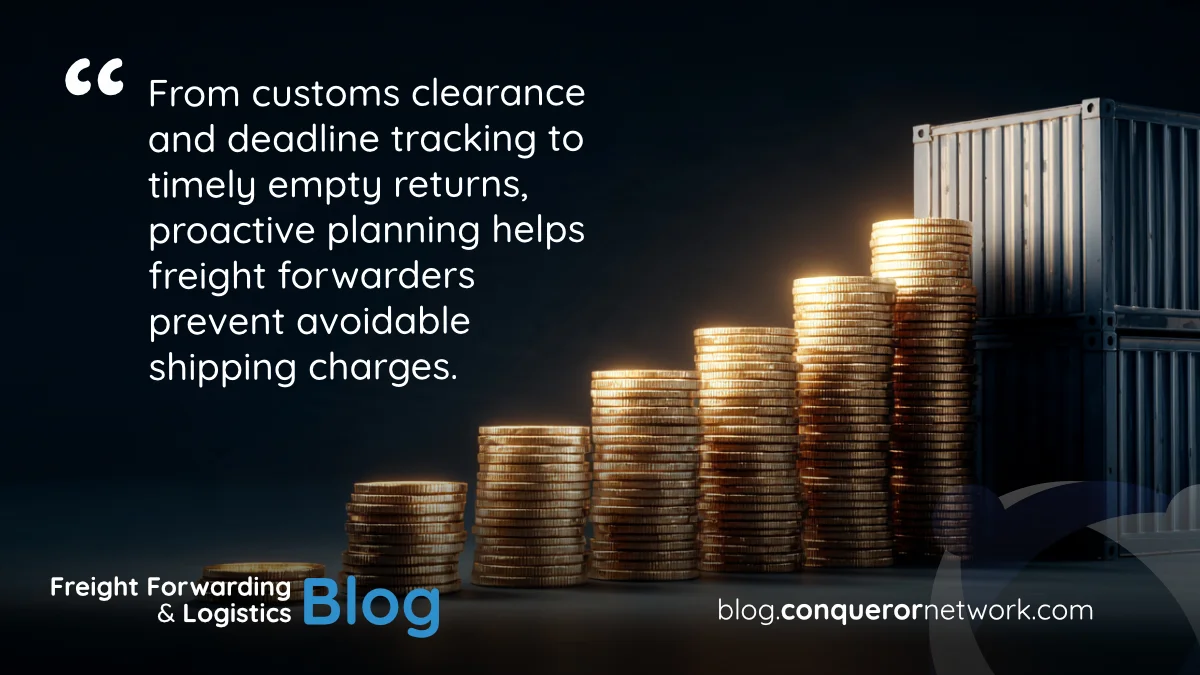
Freight Forwarders Can Cut Demurrage and Detention Costs With Early Planning
Check free time, prepare documents and coordinate container moves early to limit avoidable demurrage and detention costs.
 Fleet & Transport Ops
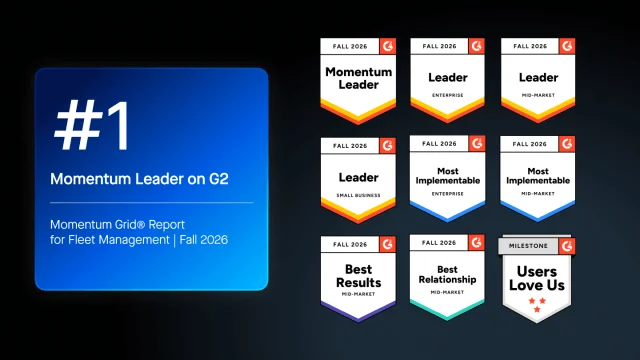
Motive’s Fleet Software Rankings Pair Multi-Season Results With Customer ROI
Motive leads several G2 and TrustRadius rankings, while customer reports cite faster setup and payback. Compare results by report type and fleet size.
 Warehousing & Fulfillment
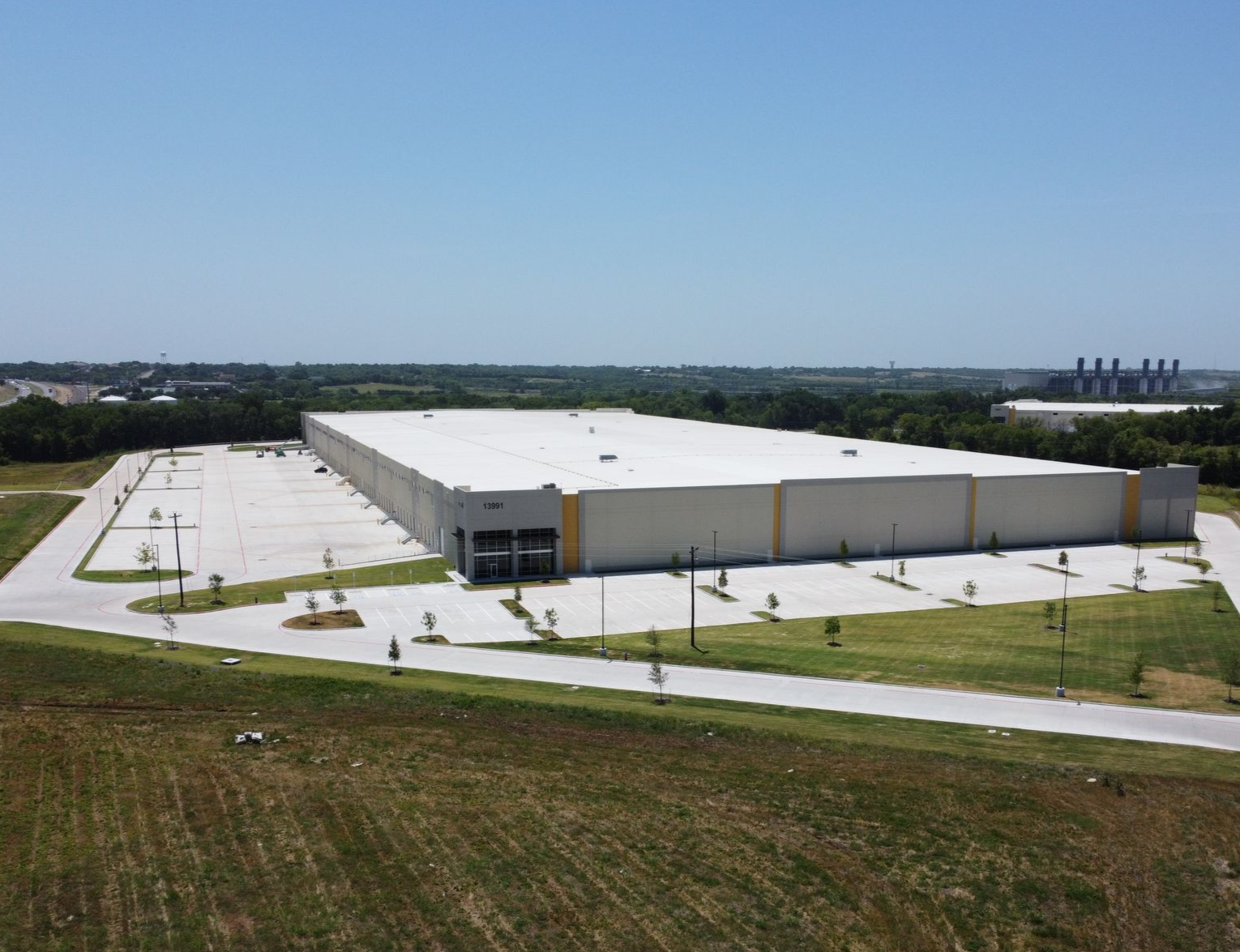
Five 3PL Fulfillment KPIs Ecommerce Brands Can Use to Track Warehouse Performance
Track order accuracy, fulfillment timing, inventory records, order cycle time and dock-to-stock performance to spot warehouse issues.
 Warehousing & Fulfillment
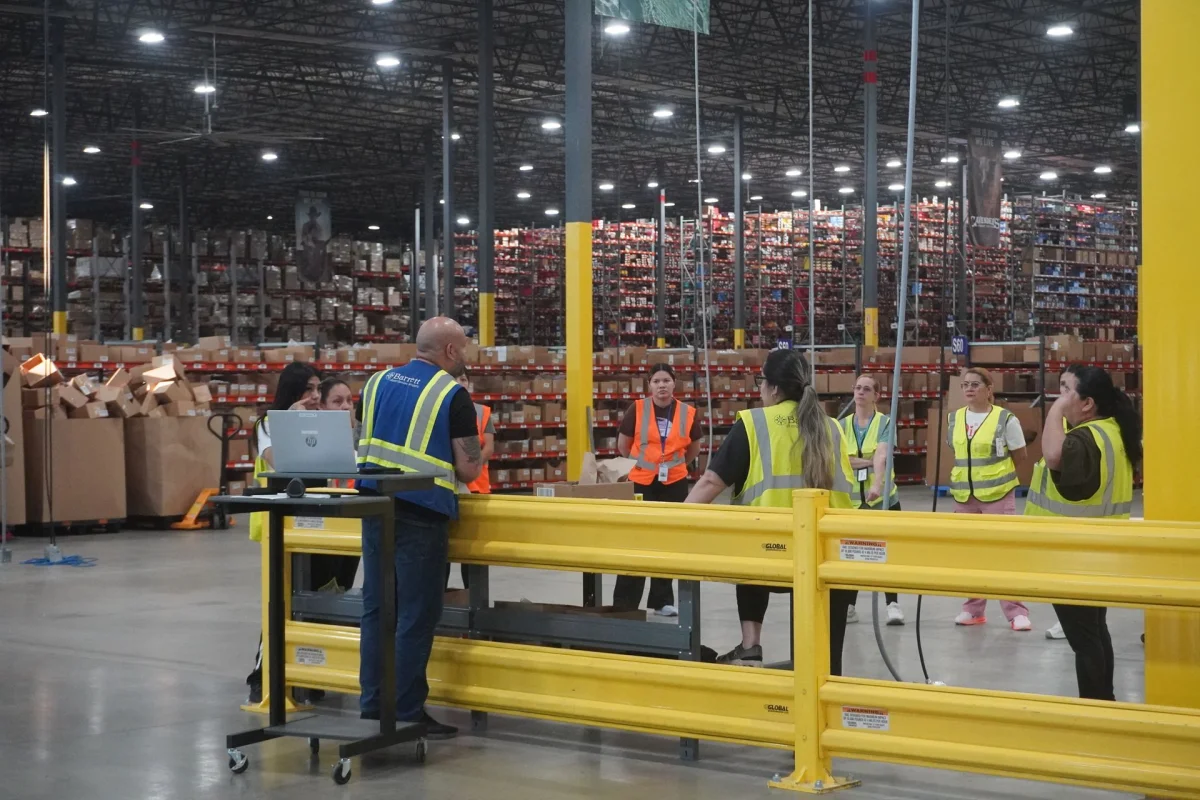
How 3PL Data Can Improve Warehouse Planning and Customer Costs
Barrett Distribution Centers uses order and productivity data to plan labor, review performance with customers and identify process savings.
 Warehousing & Fulfillment
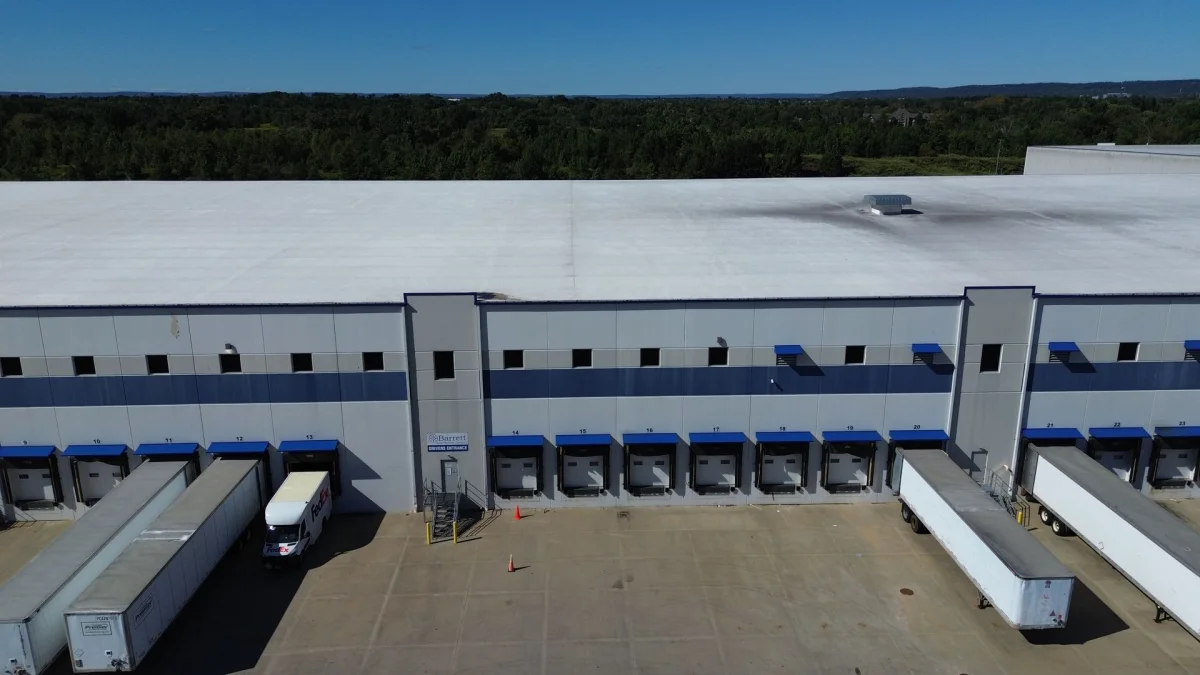
Modular Storage and Robotics Shape Barrett’s 3PL Warehouse in Texas
Barrett’s Forney warehouse pairs reconfigurable storage with mobile robots to handle changing product sizes and picking workflows.
 Warehousing & Fulfillment
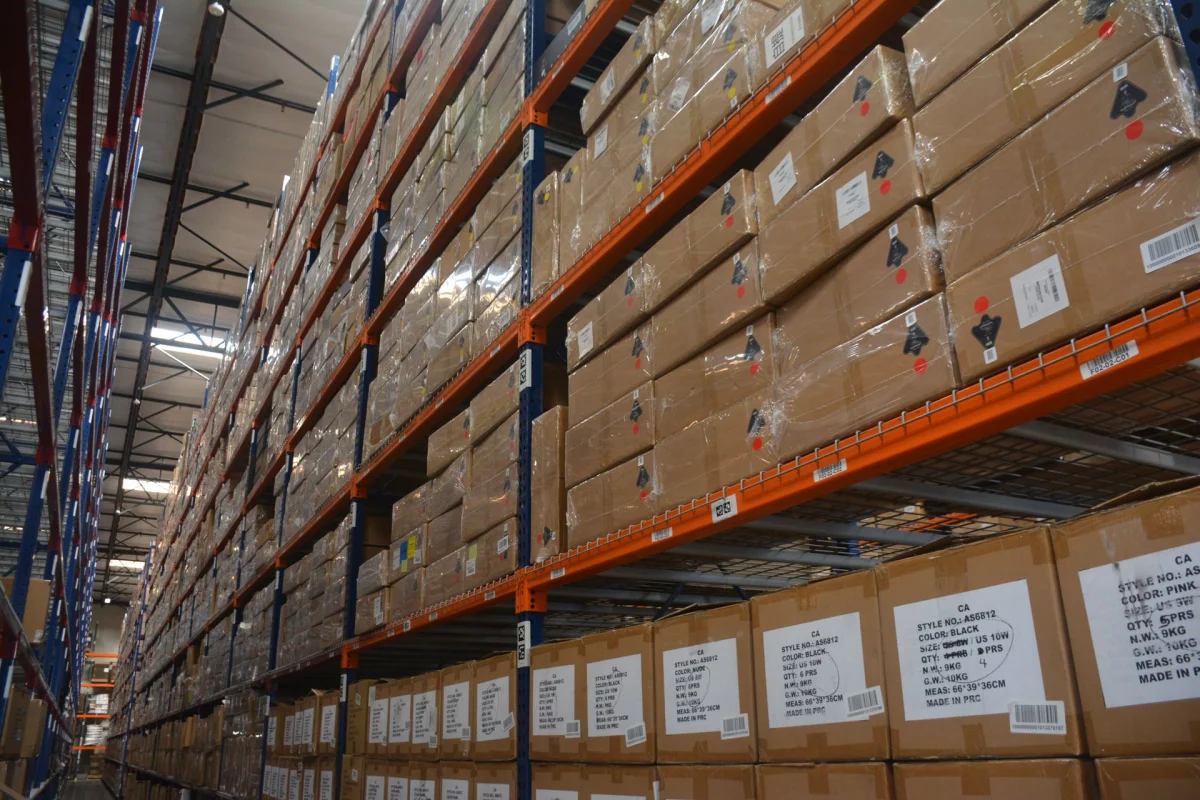
How 3PL Inventory Visibility and Warehouse Operations Can Lower Holding Costs
A 3PL can help brands manage stock levels, warehouse work and inventory placement, though savings depend on demand, service needs and provider pricing.
 Ocean Shipping & Ports
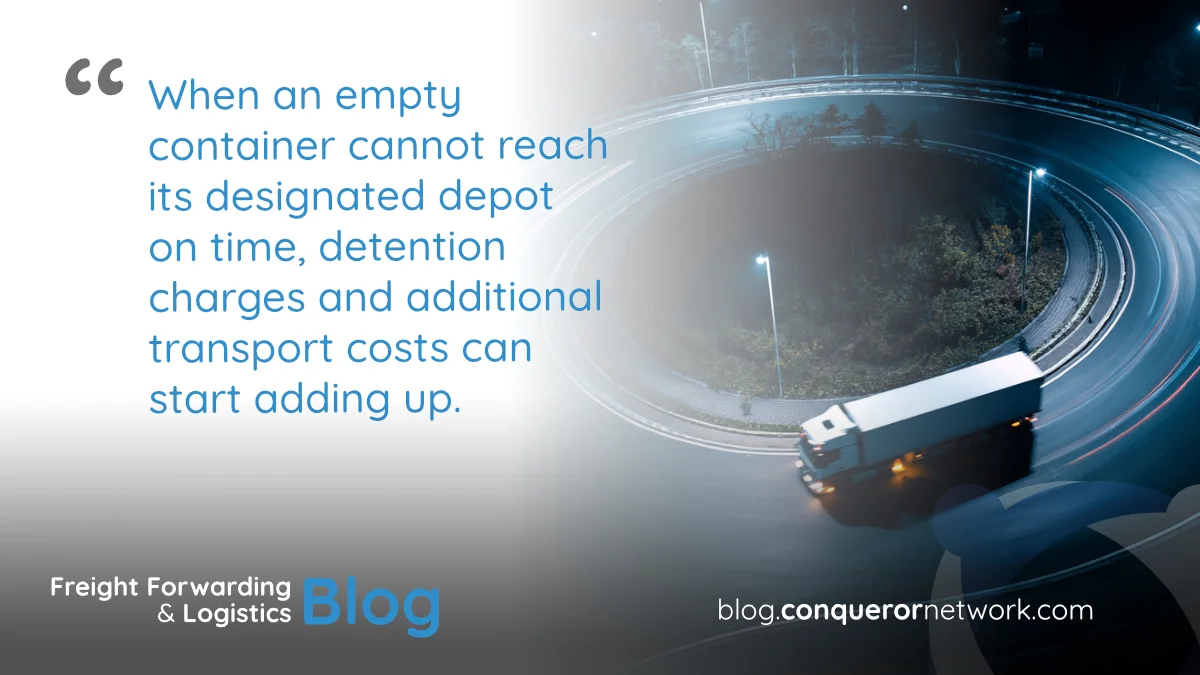
Empty Container Return Delays Can Add Detention and Drop-Off Costs
Missed return deadlines can trigger detention, extra trucking and alternate depot fees. Forwarders should verify return instructions and depot capacity early.
 Fleet & Transport Ops
Four Fleets Report Safety and Compliance Results After Technology Switches
Four fleets report changes in safety alerts, driver behavior, compliance results and time to value after switching fleet technology providers.
 Fleet & Transport Ops
GP Transco Combines Truck Aerodynamics, Driver Coaching and Solar Power to Cut Fuel Use
GP Transco uses equipment choices, driver incentives and idle reduction to improve fuel economy across millions of fleet miles.
 Warehousing & Fulfillment
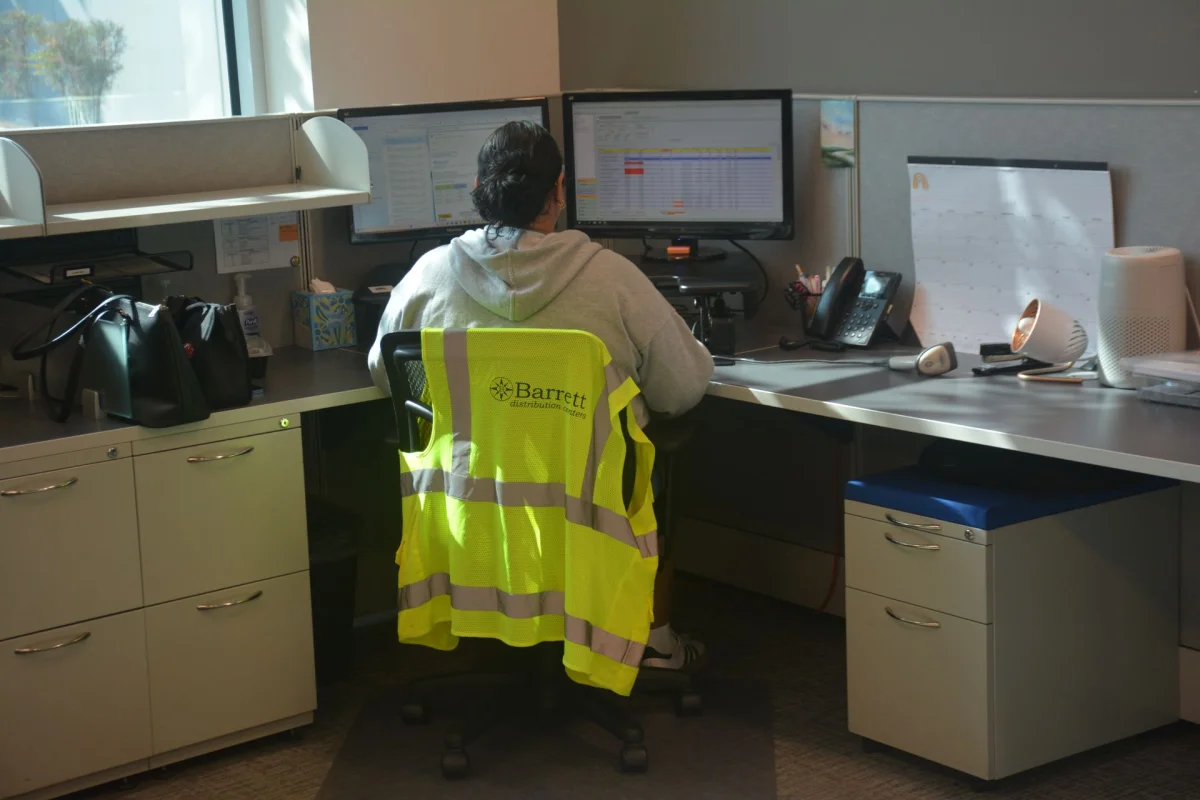
The Teams Behind Third-Party Logistics Fulfillment Operations
Technology, transport, finance and customer teams coordinate with warehouse staff to support orders and help brands manage operational change.
 Ocean Shipping & Ports
MSC, Maersk and CMA CGM Lead Ocean Carrier Rankings for 2026
MSC leads with about 6.5 million TEUs, ahead of Maersk and CMA CGM. Capacity is one factor shippers weigh when choosing a carrier.
 Warehousing & Fulfillment
10 WMS Terms That Shape Warehouse Inventory and Fulfillment
A practical guide to 10 WMS terms, from advance shipment data and cycle counting to task interleaving and predictive replenishment.
 Warehousing & Fulfillment
Dock-to-Stock Time: How Warehouses Track Receiving and Putaway
Dock-to-stock time tracks how quickly inbound goods become available for fulfillment, helping teams spot receiving delays and improve warehouse flow.
 Warehousing & Fulfillment
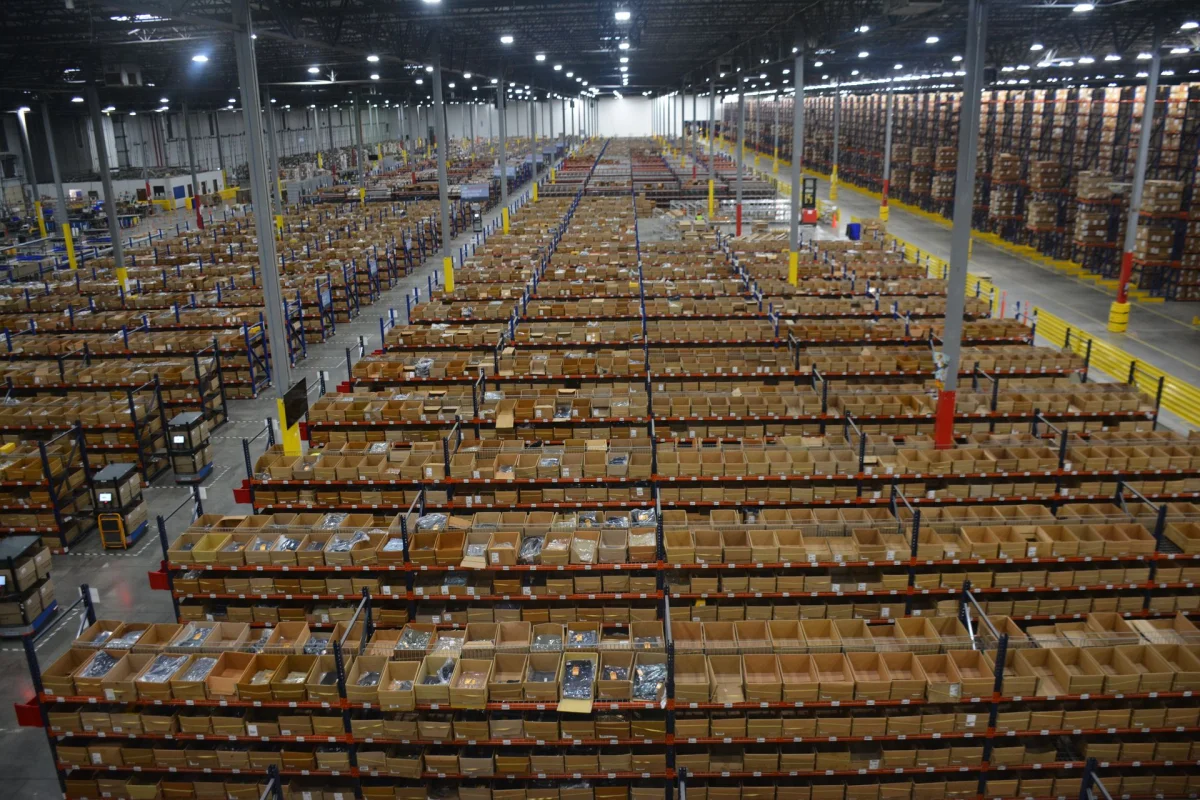
How to Compare 3PL Quotes Beyond the Per-Order Price
Low storage and handling rates can hide added costs across transport, order processing and special requirements. Compare the full operation before choosing a 3P...
 Trucking & Freight
Truck Capacity Cuts Drive 2026 Rate Gains as Freight Volumes Edge Up
SONAR data points to a capacity led rate recovery: rejection rates have surged while tender volumes rose modestly and carrier costs remain high.