Why Average Order Volume Can Mislead 3PL Capacity Planning
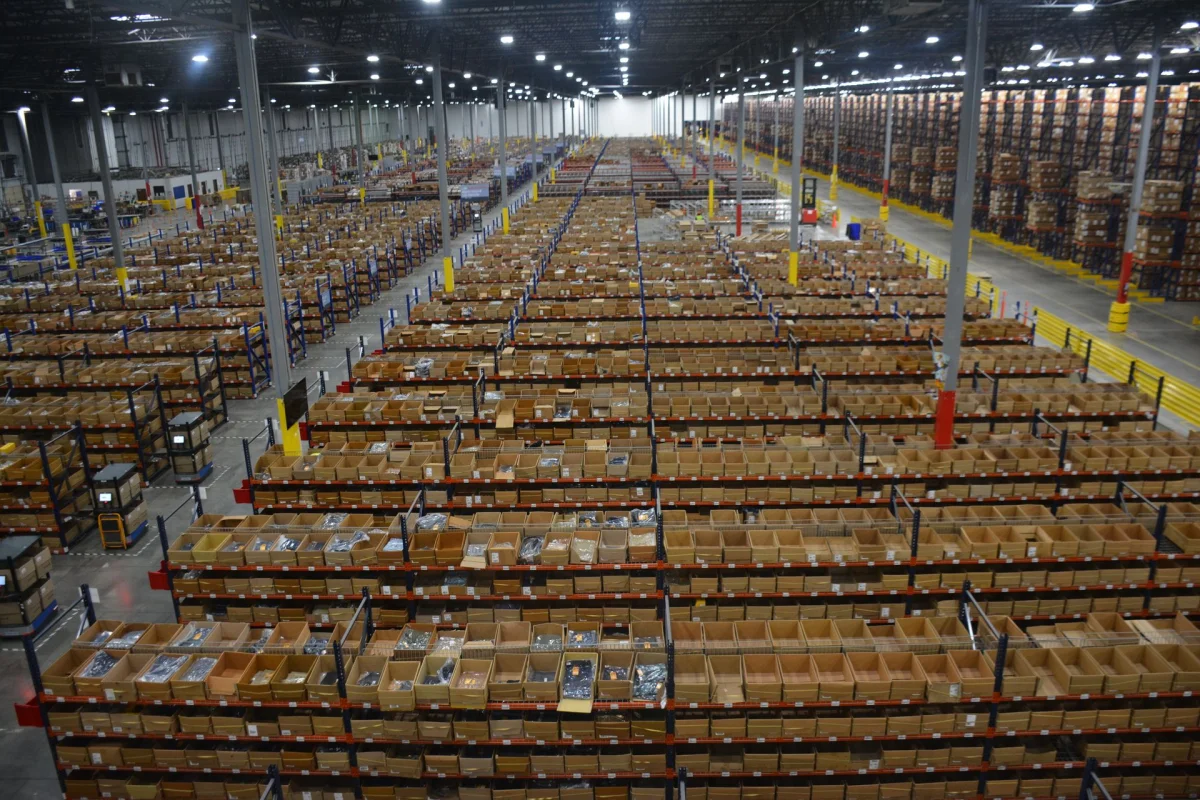
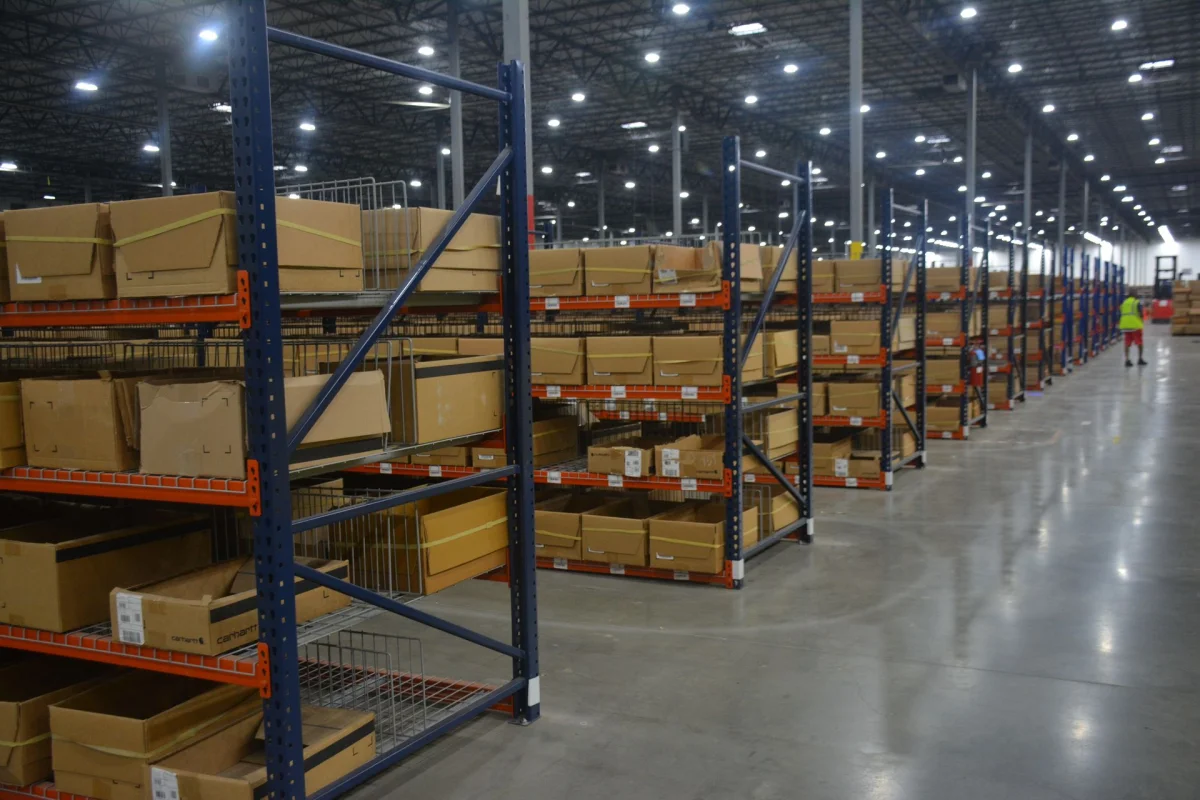
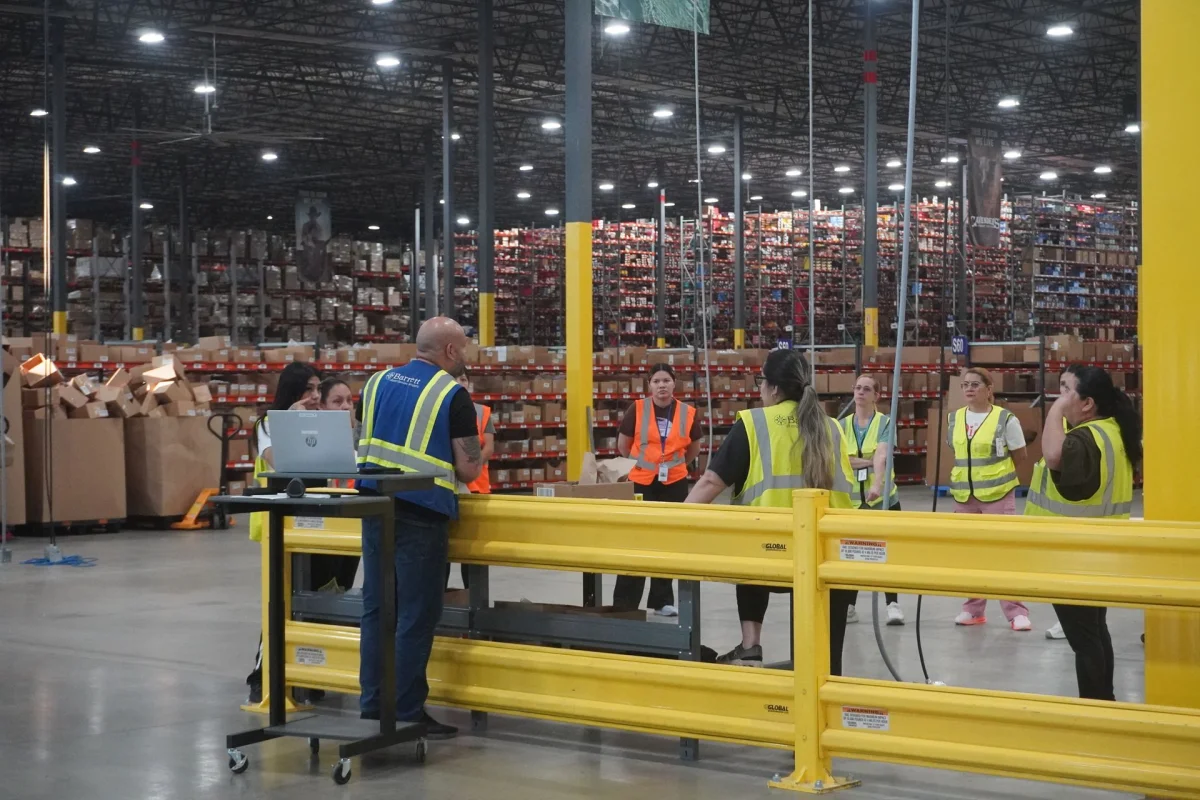
Two brands with the same annual orders can create very different warehouse demands. Seasonal peaks, inbound timing and channel mix shape the operation.
Latest stories
Two brands with the same annual orders can create very different warehouse demands. Seasonal peaks, inbound timing and channel mix shape the operation.
Regional inventory can reduce shipping distance for New England orders, but delivery speed also depends on stock placement, warehouse operations and transportat...
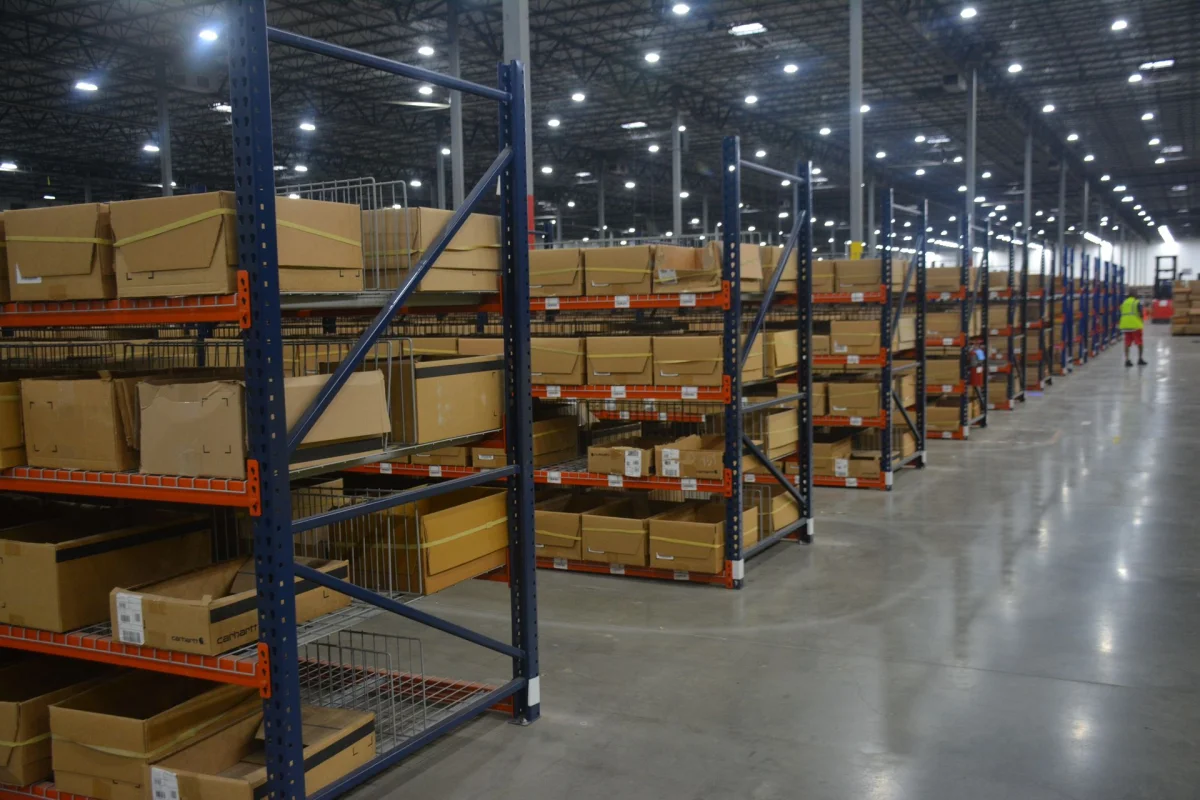
Holiday fulfillment depends on inventory arriving, getting processed and reaching the right location before customer orders surge.
Barrett combines a multi-state facility network, warehouse systems, inventory reporting and transportation management to coordinate B2B and consumer orders.
A 3PL decision shapes more than today’s warehouse capacity. Katherine Wroth says brands should weigh timing, fit and room to scale.
A 3PL can inspect returns, update inventory and route products according to brand procedures, keeping reverse logistics connected to fulfillment.
Fulfillment decisions carry a brand’s reputation. Barrett describes how operational continuity, employee ownership and personal service shape that experience.
Apparel brands need shared inventory visibility and channel-specific warehouse workflows to coordinate ecommerce, retail and wholesale fulfillment.
Holiday surges can strain retail, wholesale and ecommerce at once. Full business visibility and early communication help fulfillment teams respond.
As orders and sales channels grow, ecommerce brands need adaptable warehouse processes, inventory visibility and systems that support both direct and retail ful...
A warehouse within 10 miles of Baltimore’s port can connect imported inventory with retail, ecommerce and other distribution needs.
FEFO prioritizes products by expiration date. Accurate lot data, warehouse processes and inventory visibility help teams put it into practice.
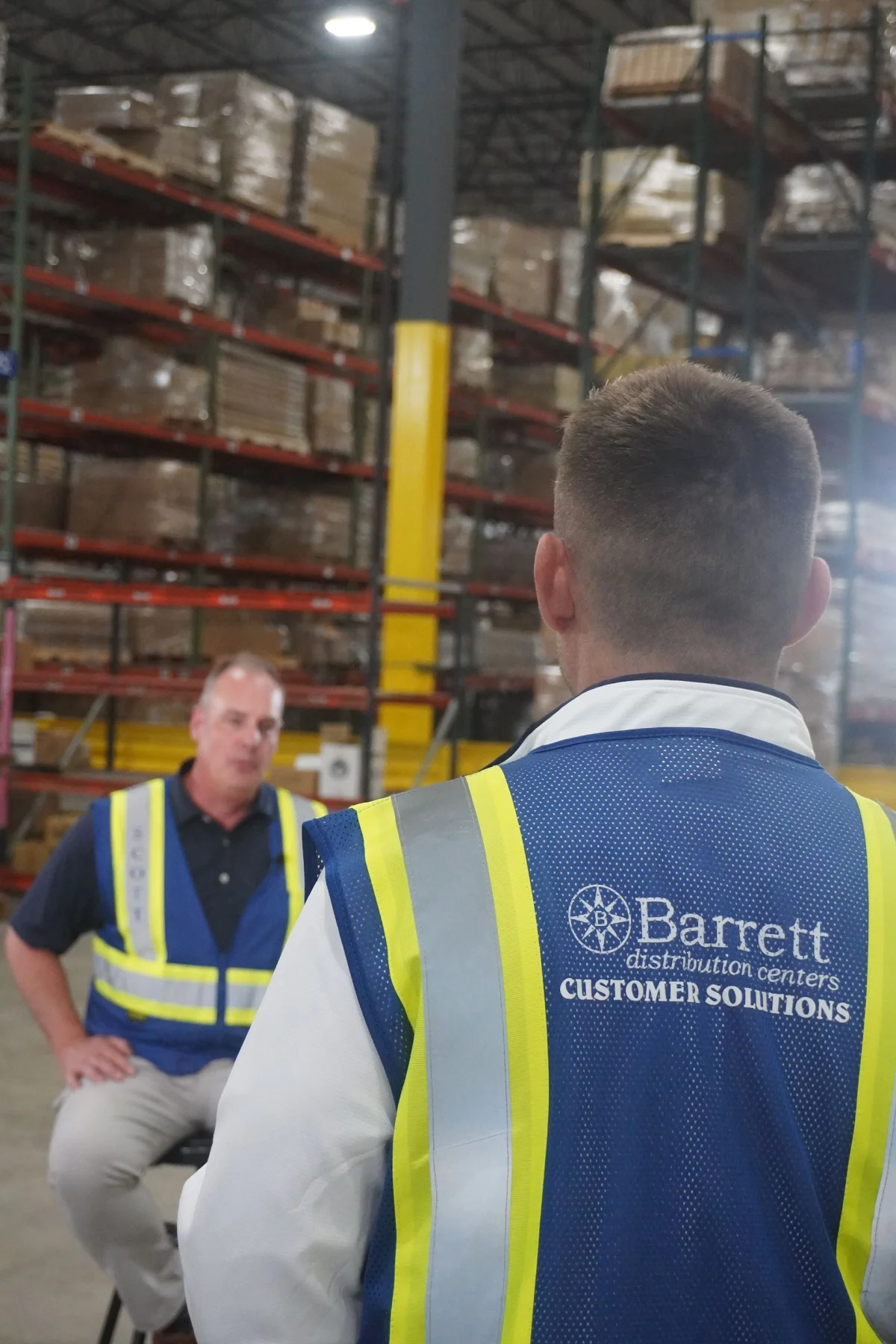
Barrett says more than 200 employees are trained to take ownership of customer issues, with feedback tracked until concerns are addressed.
Low storage and handling rates can hide added costs across transport, order processing and special requirements. Compare the full operation before choosing a 3P...
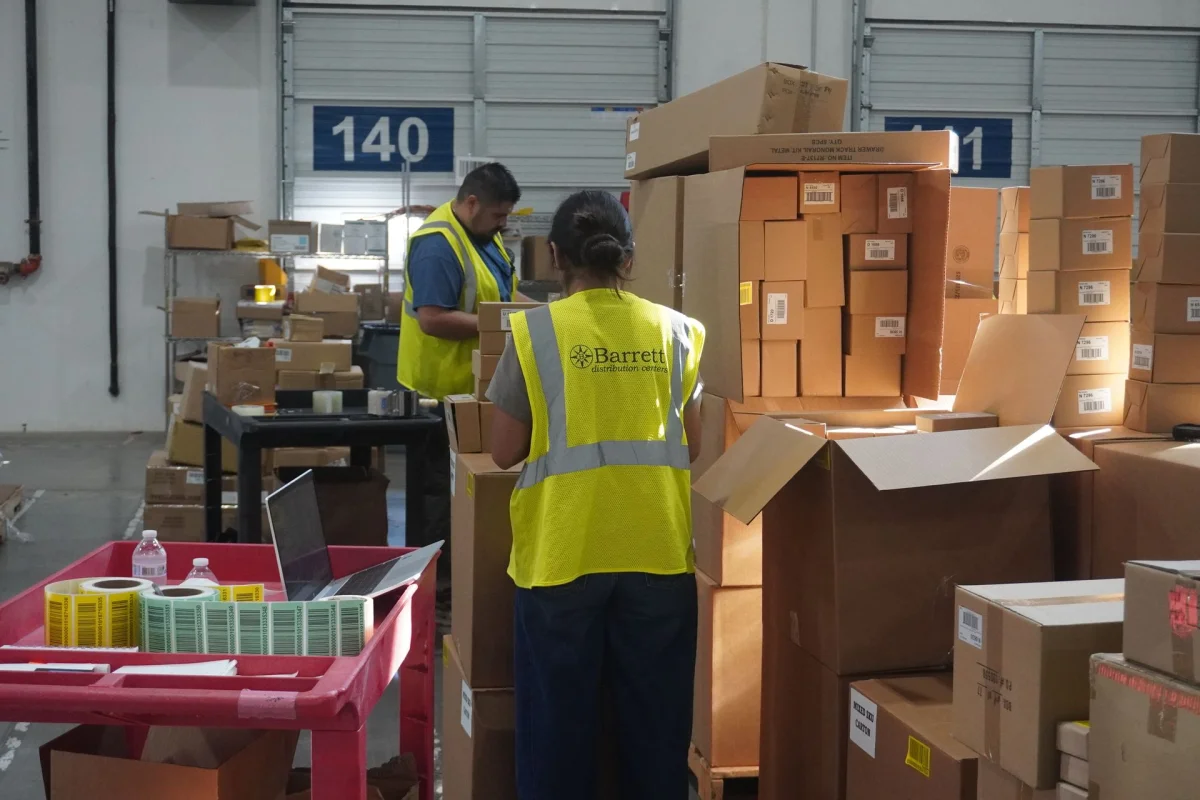
Dock-to-stock time tracks how quickly inbound goods become available for fulfillment, helping teams spot receiving delays and improve warehouse flow.
Customer geography, carrier access and inventory placement determine whether one warehouse or a distributed network can support faster fulfillment.
Technology, transport, finance and customer teams coordinate with warehouse staff to support orders and help brands manage operational change.
A 3PL can help brands manage stock levels, warehouse work and inventory placement, though savings depend on demand, service needs and provider pricing.
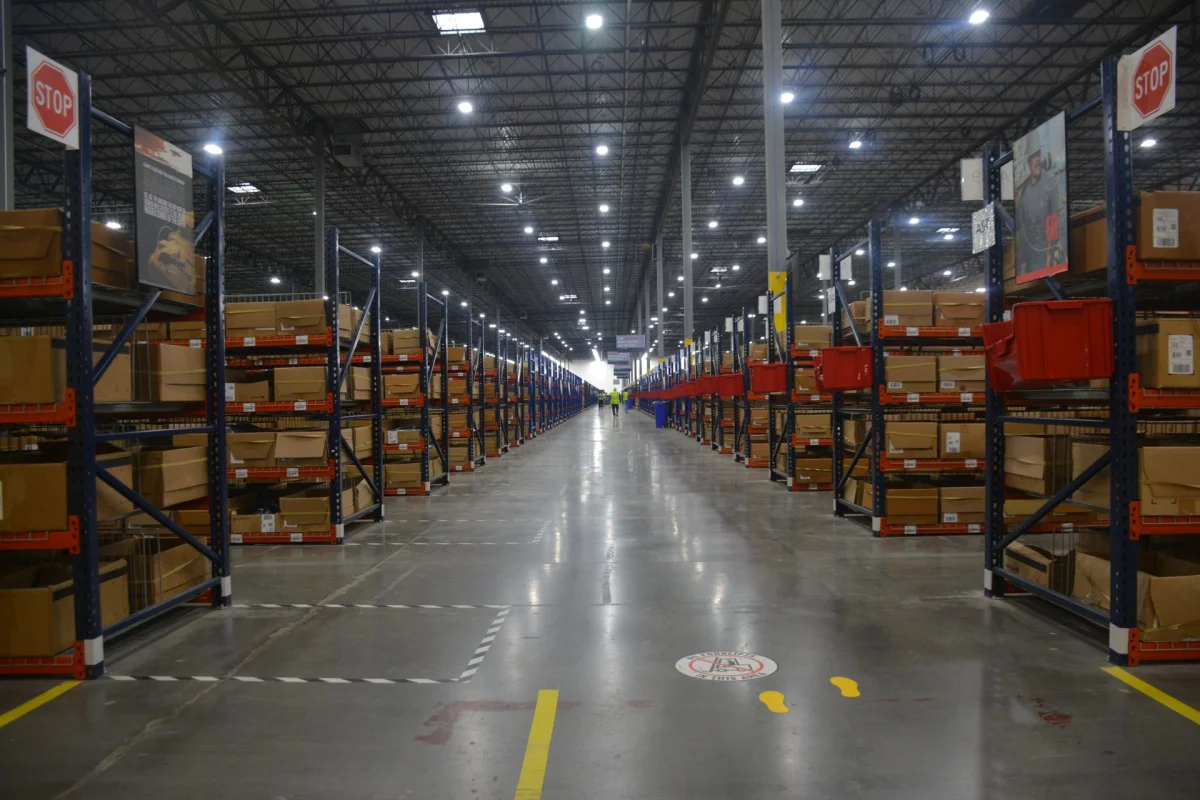
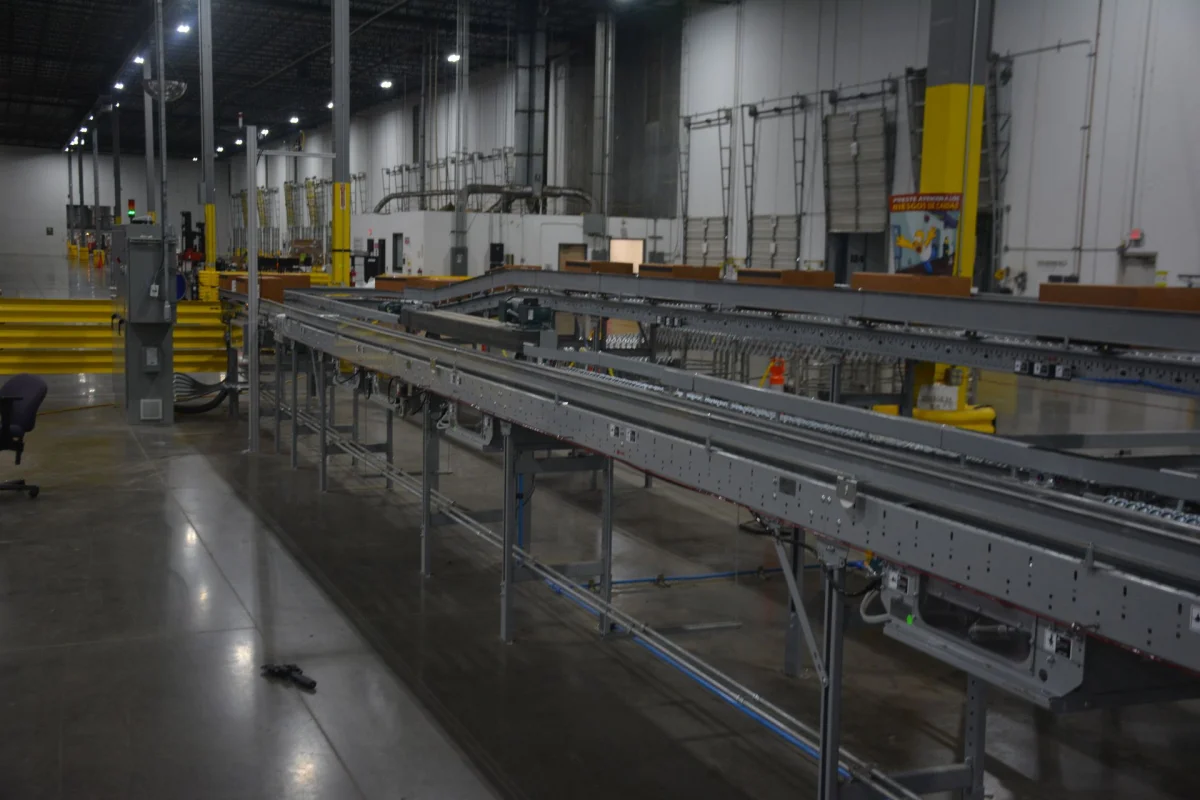
Barrett’s Forney warehouse pairs reconfigurable storage with mobile robots to handle changing product sizes and picking workflows.
Barrett Distribution Centers uses order and productivity data to plan labor, review performance with customers and identify process savings.